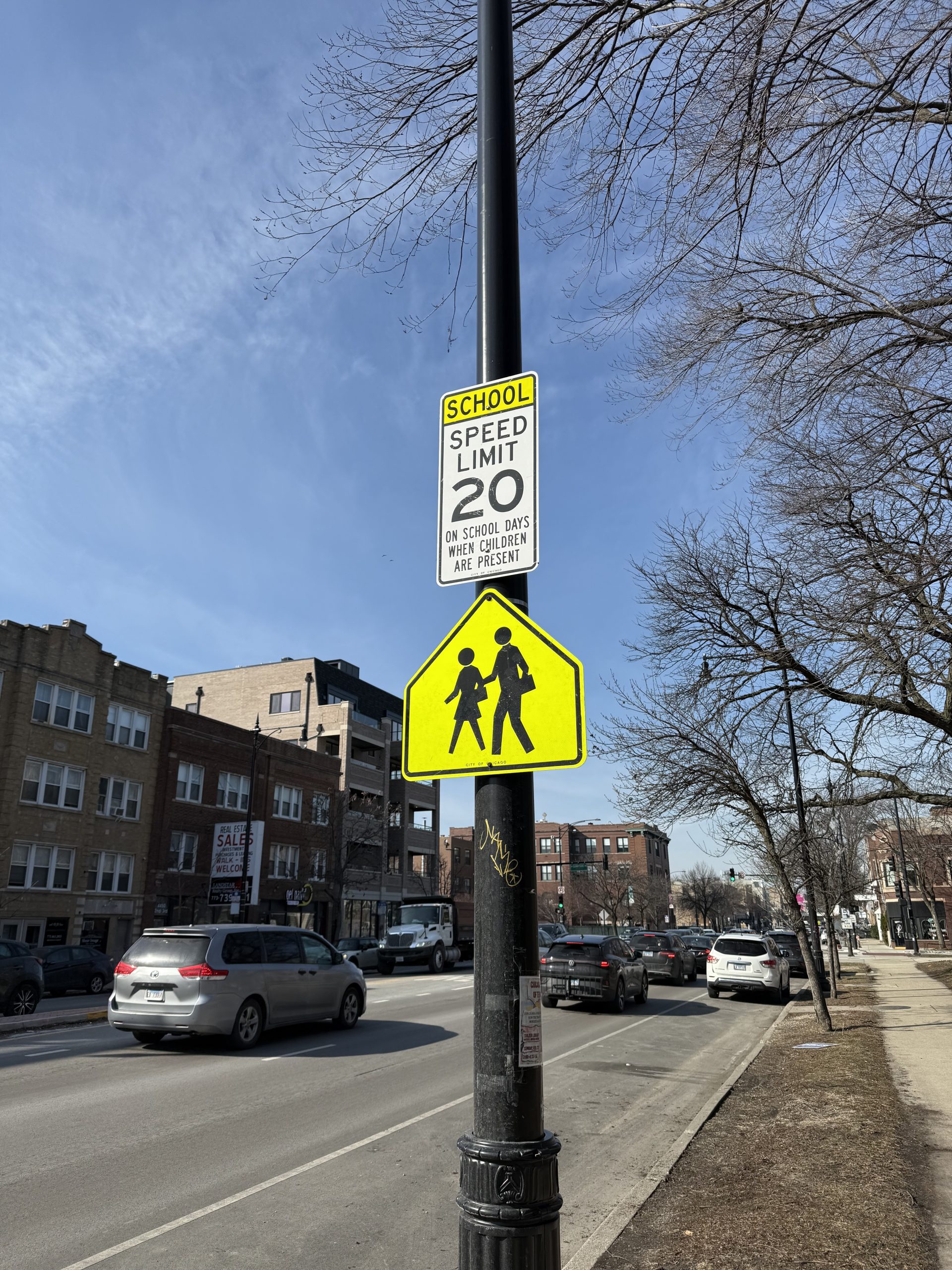
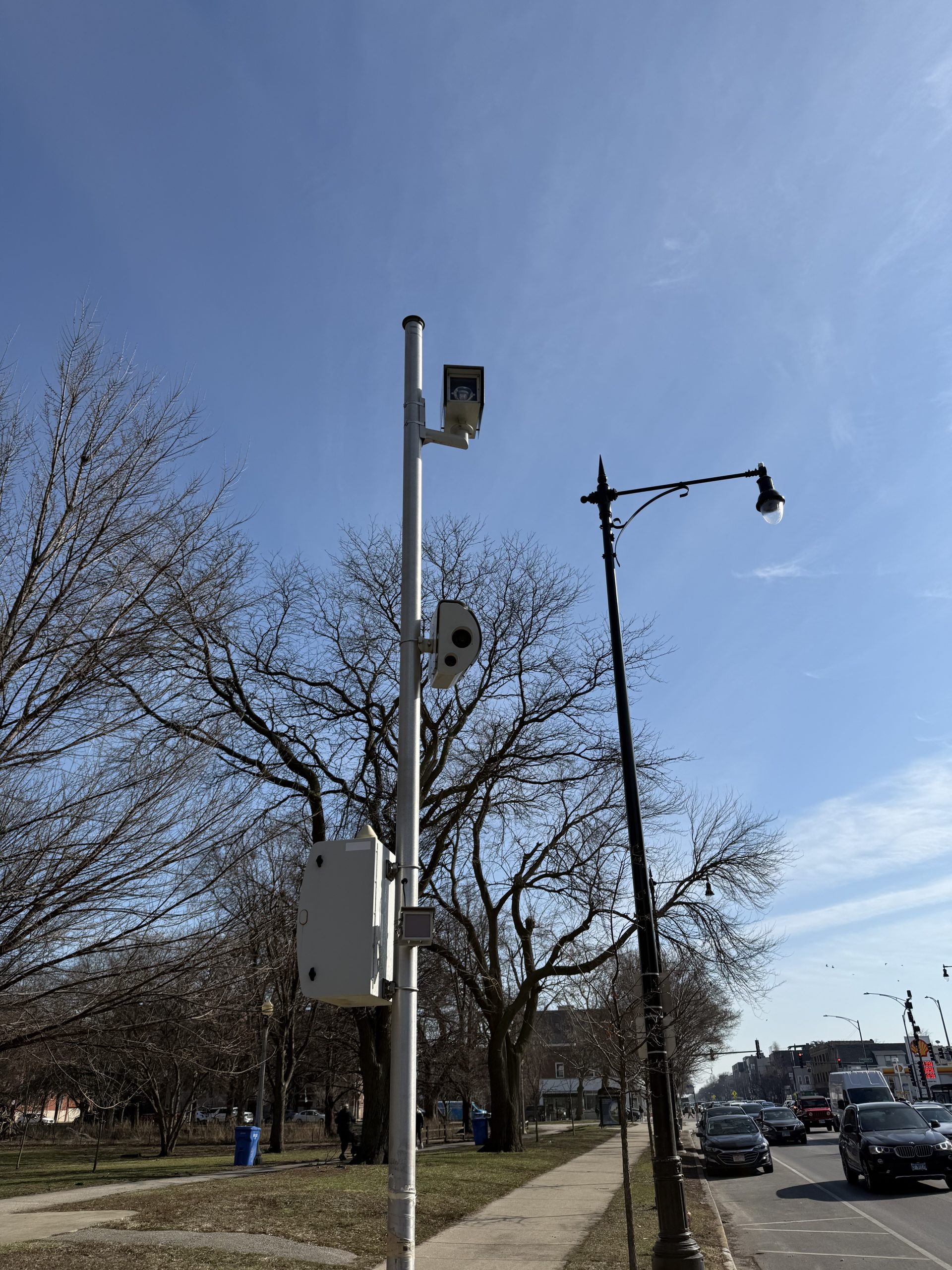
Chicago is continuing its aggressive expansion of automated traffic enforcement. According to a recent CBS Chicago report, the City plans to install 50 additional speed cameras in 2025, adding to an already extensive network across Chicago neighborhoods.
For drivers, pedestrians, and cyclists, this raises a critical issue:
Are speed cameras making Chicago streets safer, or are they simply another form of revenue generation?
At Zneimer & Zneimer P.C., a Chicago personal injury law firm, we regularly represent victims injured in preventable crashes. Understanding the real impact of speed enforcement is essential to improving roadway safety.
The Safety Case for Speed Cameras in Chicago
The City of Chicago and the Chicago Department of Transportation (CDOT) maintain that speed cameras are designed first and foremost to reduce dangerous driving behaviors.
Speeding remains one of the leading causes of serious crashes. In fact:
- 136 people were killed in Chicago traffic crashes in 2023
- Speeding contributed to at least 68% of those fatalities
From a legal and medical standpoint, speed is a critical factor in injury severity. Higher speeds lead to:
- Greater impact forces
- Increased likelihood of catastrophic injuries
- Reduced ability to avoid collisions
Many cameras are intentionally placed near schools, parks, and senior housing, where vulnerable pedestrians are most at risk.
Evidence That Speed Cameras Change Driver Behavior
One of the strongest arguments in favor of speed cameras is that they actually slow drivers down.
What Studies and Data Show
Research from Chicago and other major cities has consistently found:
- Significant reductions in speeding violations over time after cameras are installed
- Lower average driving speeds in camera zones
- Decreases in serious injury and fatal crashes
In Chicago specifically, prior CDOT data has shown:
- Speed cameras near parks and schools have resulted in double-digit percentage drops in speeding
- Many drivers adjust behavior after receiving just one ticket, reducing repeat violations
From a personal injury perspective, even small reductions in speed can have a major impact. For example:
- A pedestrian struck at 40 mph is far more likely to suffer fatal injuries than at 25–30 mph
- Slower speeds increase reaction time and reduce crash severity
Simply put, speed reduction saves lives.
The Controversy: Are Speed Cameras Just a Revenue Source?
Despite safety benefits, speed cameras remain highly controversial in Chicago.
Concerns Raised by Critics
The attached article highlights several key criticisms:
- Speed cameras could generate approximately $11 million in revenue for the City
- Some officials argue they function as a “regressive tax”, disproportionately impacting low-income communities
- Residents have reported significant financial burdens, including thousands of dollars in accumulated tickets
One Chicago alderman openly questioned whether expanding cameras is the right solution, even while acknowledging community demand in certain areas.
The City’s Response
City officials have pushed back on the criticism, stating:
- Speed cameras are not intended to balance the budget
- Their purpose is to promote traffic safety in an equitable way
Balancing Safety and Fairness
The reality likely lies somewhere in between.
Speed cameras can:
✔ Reduce dangerous speeding
✔ Protect pedestrians and cyclists
✔ Prevent serious injuries and fatalities
But concerns remain about:
⚠ Financial burden on drivers
⚠ Disproportionate impact on certain communities
⚠ Transparency in camera placement
From a legal perspective, the ultimate goal should be preventing injuries, not generating fines.
Injured in a Chicago Traffic Accident? We Can Help
The personal injury lawyers of Zneimer & Zneimer P.C., we have decades of experience representing victims of:
- Car accidents
- Pedestrian injuries
- Bicycle crashes
- Wrongful death cases
If you or a loved one has been injured due to a speeding or negligent driver, you may be entitled to compensation.
📞 Contact Zneimer & Zneimer P.C. today for a free consultation.