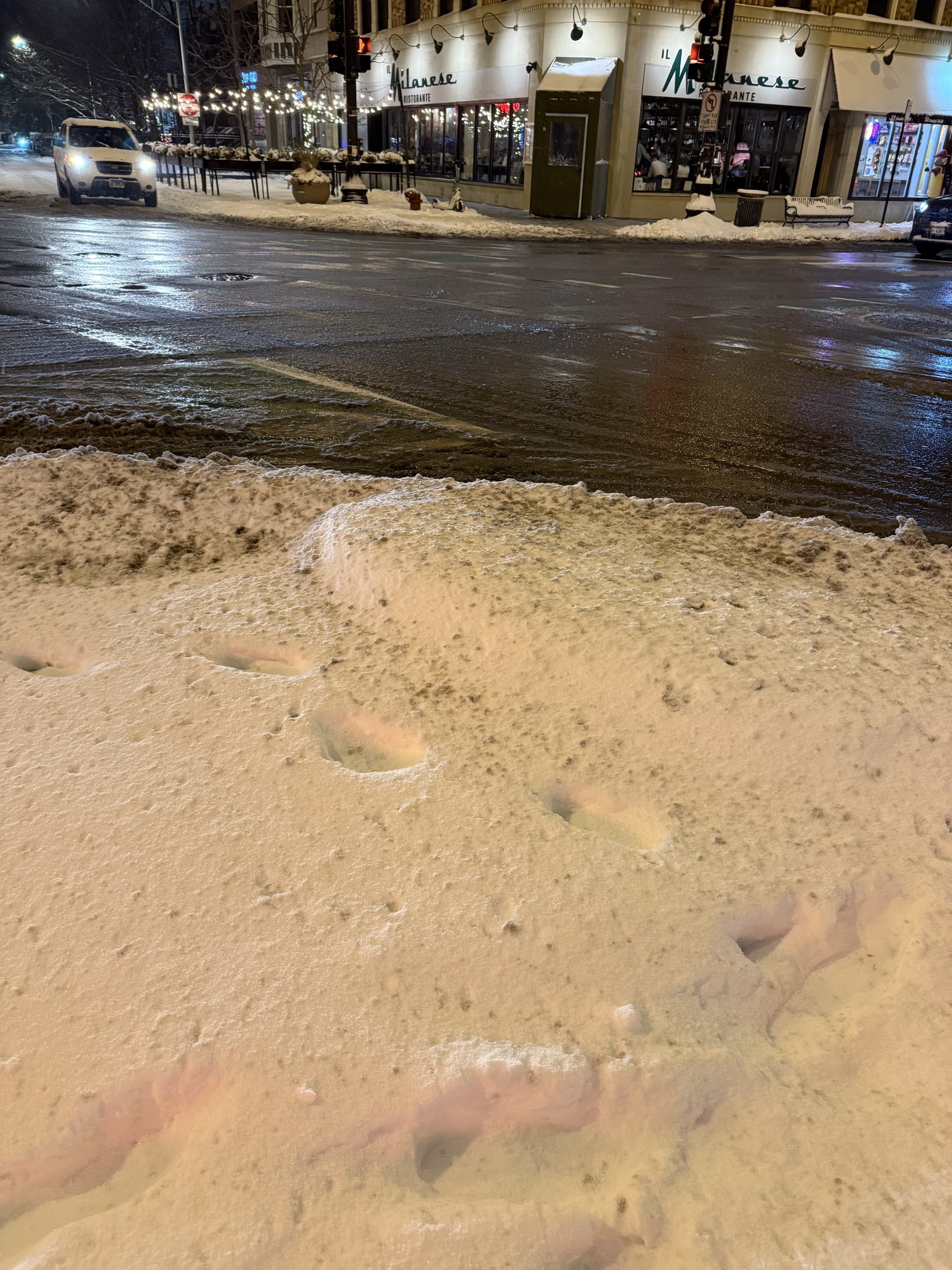
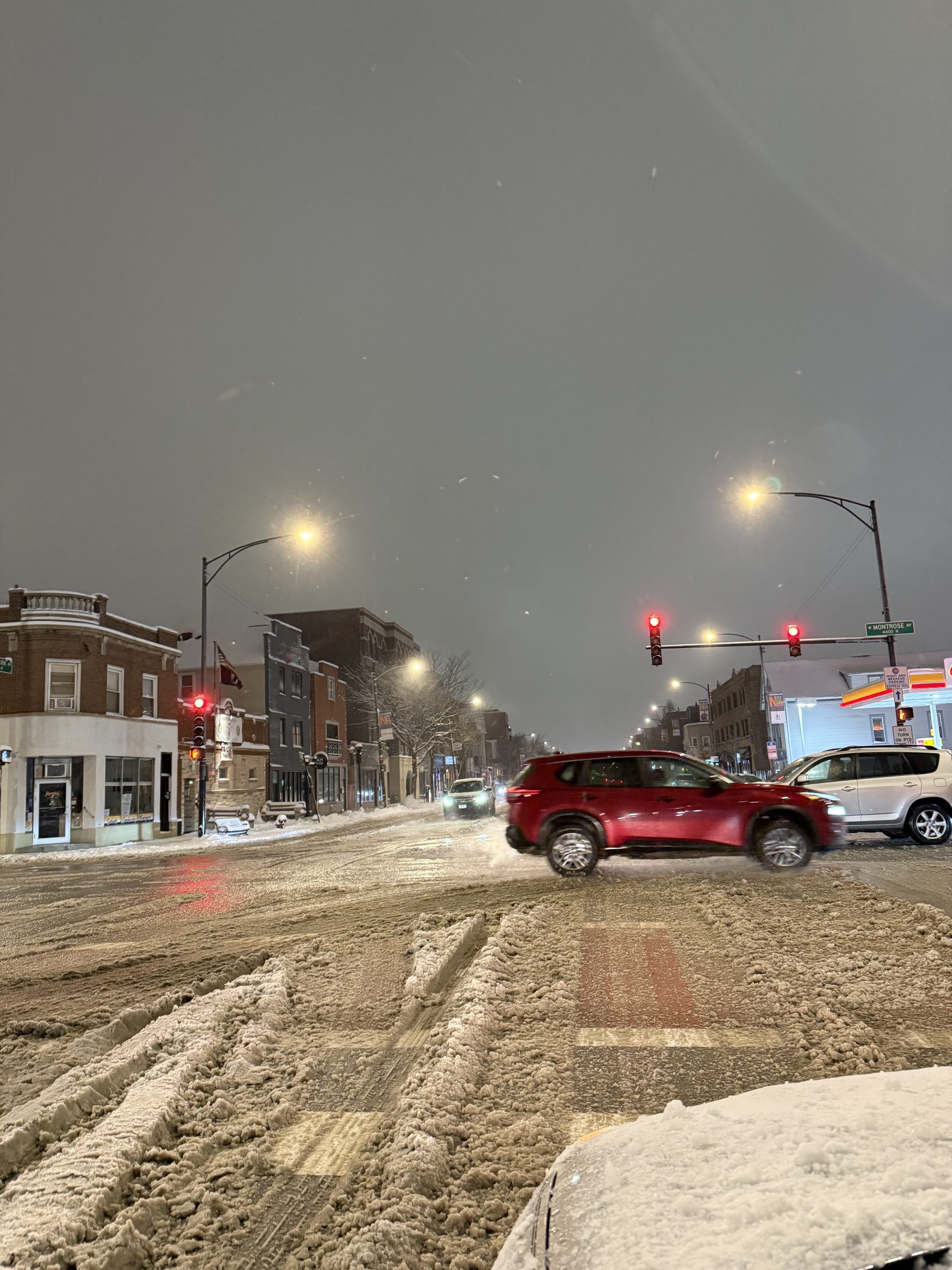
Chicago winters have a way of turning the familiar into the unpredictable. Streets you’ve driven for years suddenly feel unfamiliar beneath fresh snow, visibility narrows to a frosted tunnel, and road conditions shift hour by hour. The personal injury lawyers of Zneimer & Zneimer P.C., see firsthand how winter weather contributes to serious crashes—and this year, Chicago drivers face new roadway hazards that deserve special attention.
Below, we break down the risks, including a new and unexpected one created by recent roadway redesigns.
- New This Winter: Hidden Bump-Outs and Raised Medians
Over the past year, Chicago has installed numerous curb bump-outs, traffic-calming islands, and raised concrete medians in neighborhoods across the city. These features are intended to slow traffic, shorten pedestrian crossings, and improve safety.
However—this winter they introduce a new danger.
When covered in snow, these structures blend seamlessly into the roadway, making them look like ordinary plow piles or harmless drifts. Many drivers unwittingly strike them, believing they are simply driving over snow.
Why this is hazardous:
- Snow conceals the sharp edges of concrete structures.
- Drivers may veer to avoid another car and strike a hidden bump-out.
- Raised medians can rip tires, bend axles, or cause sudden loss of control.
- Nighttime or white-out conditions make these obstacles nearly invisible.
Practical Tip:
Learn where new bump-outs and medians have been added along your regular routes. Slow down on unfamiliar streets after snowfall, and assume hidden obstacles may be present under snow cover.
- Cyclists Are Still Out—Even in Winter
Chicago’s growing bike culture doesn’t hibernate. More commuters are continuing to ride in cold weather thanks to studded tires, electric bikes, and year-round Divvy availability.
That means:
- Snow-narrowed lanes force cars and cyclists closer together.
- Slippery pavement reduces braking ability for both.
- Snow buildup in bike lanes pushes cyclists into vehicle lanes unexpectedly.
- Electric bikes can approach faster than drivers anticipate.
Tip:
Give cyclists extra room, reduce speed, and anticipate sudden swerves caused by snow or ice.
- Classic Winter Hazards Still Apply
While new infrastructure brings new risks, Chicago drivers must still contend with the usual winter suspects:
Black Ice
It hides on bridges, viaducts, and shaded stretches—even when roads look “wet.”
Reduced Visibility
Blowing lakefront snow, fogged windshields, and early sunsets create dangerous sightlines.
Longer Stopping Distances
Snow and ice can double or triple the distance needed to stop safely.
Uncleared Side Streets
Residential blocks often remain slippery long after major roads are plowed.
Pedestrians Navigating Snowbanks
People step into traffic to avoid icy sidewalks or knee-high plow piles.
- What Drivers Should Do to Stay Safe
- Slow down—the simplest and most effective winter safety measure.
- Increase following distances to at least 4–6 seconds.
- Approach intersections with caution, particularly where snow hides curbs, bump-outs, or medians.
- Avoid sudden lane changes that can lead to skids or unexpected collisions with hidden road features.
- Clear all windows, mirrors, and headlights before driving.
- Stay alert for cyclists, even at night and during snowfall.
- Check tires for proper tread and inflation—the cold reduces pressure.
- If You’re Injured in a Winter Collision
Even when drivers try to be cautious, winter weather and poorly marked or concealed road features can create unavoidable hazards. If you are injured due to another driver’s negligence—or because a poorly maintained or inadequately marked roadway created danger—you may be entitled to compensation.
The attorneys at Zneimer & Zneimer P.C. have extensive experience handling winter-weather crashes, pedestrian collisions, bicycle incidents, and cases involving unsafe road design.
Call us for a free consultation
📞 773-516-4100
📍 Serving all Chicago neighborhoods
We can help you understand your rights and pursue the recovery you deserve.
I