 Chicago Accident Lawyer Blog


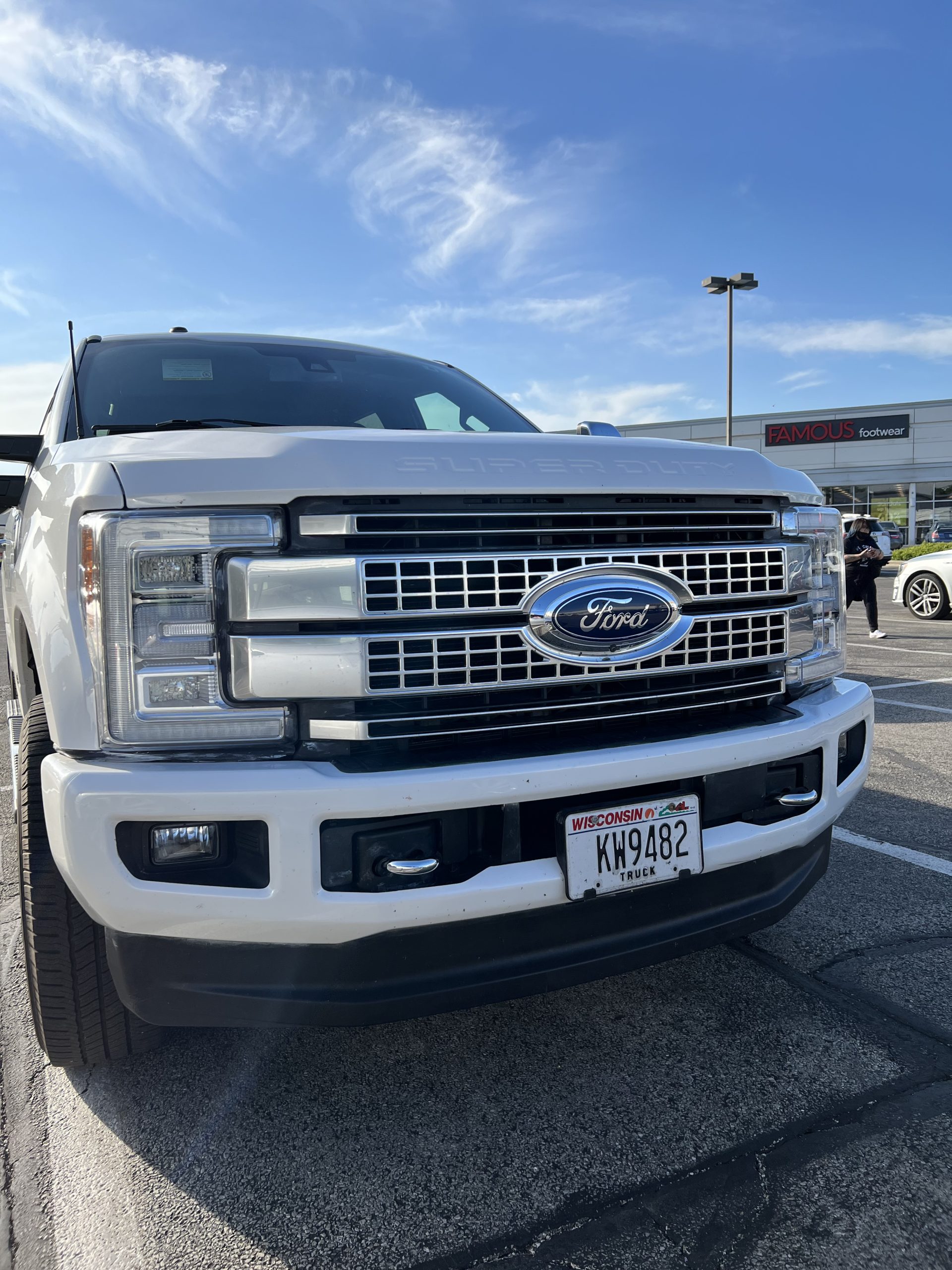
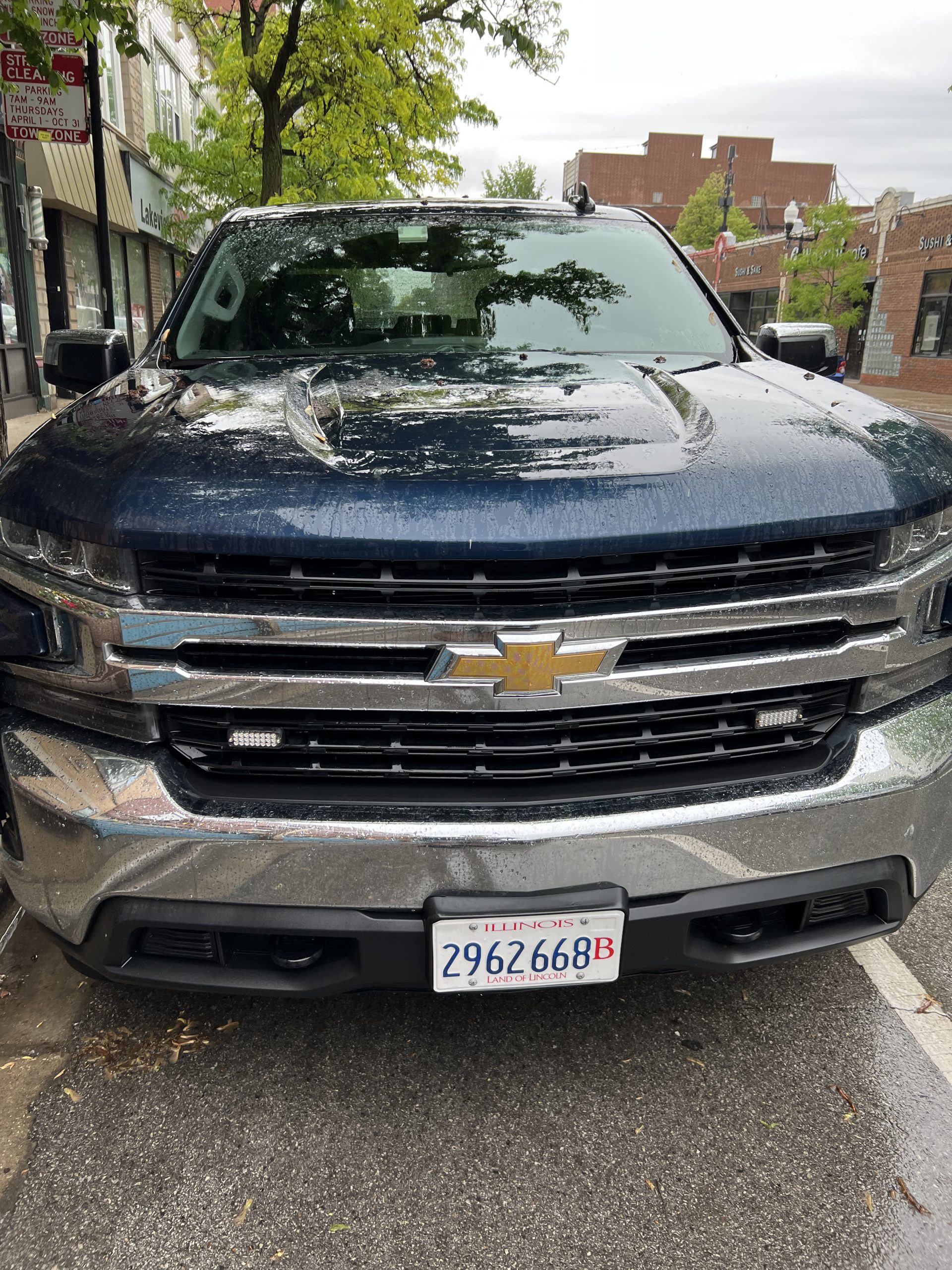
For years, vehicle manufacturers have focused on making cars safer for the people inside them. Unfortunately, recent research shows that many newer vehicles may be becoming more dangerous for everyone outside them.
A recent analysis performed by the New York Times in an article entitled “The Deadly Rise of Giant Trucks and SUVs” and reported by Car and Driver found that the increasing height of vehicle hoods and front ends has contributed to thousands of avoidable pedestrian deaths in the United States. Researchers estimated that between 2,624 and 3,077 pedestrian lives could have been saved between 2016 and 2024 if vehicle front-end designs had remained closer to those commonly seen in the early 2000s. The New York Times study found that every additional inch of hood height increased the risk of a fatal pedestrian crash by approximately 2.8%. (Car and Driver)
Other research has reached similar conclusions. The Insurance Institute for Highway Safety (IIHS) found that SUVs, pickup trucks, and vans with hood heights greater than 40 inches are approximately 45% more likely to cause pedestrian fatalities than lower-profile vehicles. (IIHS)
Why Are High-Front Vehicles More Dangerous?
When a pedestrian is struck by a traditional passenger car, the lower front end often causes the person to roll onto the hood. While serious injuries can still occur, the vehicle absorbs some of the impact energy. The personal injury lawyers of Zneimer & Zneimer know first hand how devastating these injuries can be.
By contrast, high-front SUVs and pickup trucks often strike pedestrians directly in the torso, pelvis, or chest. Instead of being pushed onto the hood, victims are more likely to be knocked forward and down, resulting in devastating head injuries, internal injuries, spinal trauma, and multiple fractures. Researchers have found that taller and more vertical vehicle fronts significantly increase the risk of fatal injuries. (Car and Driver)
These vehicles also create larger blind spots directly in front of the driver. In some newer trucks, the area immediately in front of the vehicle that cannot be seen by the driver has grown dramatically. This makes it harder to detect pedestrians, bicyclists, children, and scooter riders until it is too late. (Car and Driver)
Why This Matters in Chicago
Chicago is a city built around shared roadways. Every day, pedestrians, bicyclists, e-scooter riders, delivery workers, CTA riders, and motorists occupy the same streets.
Whether it is a busy downtown crosswalk, a neighborhood intersection on the North Side, or a protected bike lane, vulnerable road users are constantly exposed to traffic. Large SUVs and pickup trucks create particular dangers in these environments because:
- Drivers may have difficulty seeing pedestrians entering crosswalks.
- Children can be hidden by large vehicle blind spots.
- Bicyclists traveling alongside vehicles may disappear from a driver’s view.
- E-scooter riders are smaller and harder to detect, especially near intersections.
- Turning vehicles may not see someone crossing until the collision is unavoidable.
In a dense urban environment like Chicago, visibility matters. When drivers cannot see people around them, the likelihood of catastrophic injuries increases.
The Injuries Are Often Severe
Victims struck by large SUVs and trucks frequently suffer:
- Traumatic brain injuries
- Skull fractures
- Spinal cord injuries
- Pelvic fractures
- Broken legs and hips
- Internal organ damage
- Permanent disability
- Wrongful death
Research shows that higher vehicle front ends increase not only the likelihood of a collision but also the severity of injuries once a collision occurs. (IIHS)
Why Evidence Matters After a Pedestrian, Bicycle, or E-Scooter Crash
Insurance companies often move quickly to protect their interests after a serious crash. Critical evidence can disappear within days or even hours.
That is why it is important to contact an experienced personal injury lawyer as soon as possible.
A thorough investigation may include:
- Obtaining surveillance video from nearby businesses
- Preserving traffic camera footage
- Locating eyewitnesses before memories fade
- Downloading vehicle event data when available
- Inspecting the crash scene
- Reviewing police reports and photographs
- Identifying blind-spot and visibility issues involving the vehicle
Many Chicago intersections are covered by private security cameras, doorbell cameras, business surveillance systems, and municipal cameras. However, this footage is often overwritten unless immediate action is taken.
Witnesses can also make a tremendous difference. Independent witnesses may provide critical information regarding vehicle speed, traffic signals, right-of-way, distraction, or whether the driver failed to see a pedestrian, cyclist, or scooter rider.
Zneimer & Zneimer P.C. Can Help
Pedestrian, bicycle, and e-scooter accidents often result in life-changing injuries. As vehicles continue to grow larger and taller, the consequences of these crashes can become even more severe.
At Zneimer & Zneimer P.C., we represent injured pedestrians, bicyclists, and other victims throughout Chicago and the surrounding area. We work quickly to preserve video evidence, locate witnesses, investigate the collision, and pursue the compensation our clients deserve.
If you or a loved one has been injured in a pedestrian, bicycle, or e-scooter crash, contact Zneimer & Zneimer P.C. for a free consultation.
The statistics in this draft are based on the recent Car and Driver/New York Times analysis and supporting IIHS research regarding hood height, blind spots, and pedestrian fatality risk. (Car and Driver)