 Chicago Accident Lawyer Blog


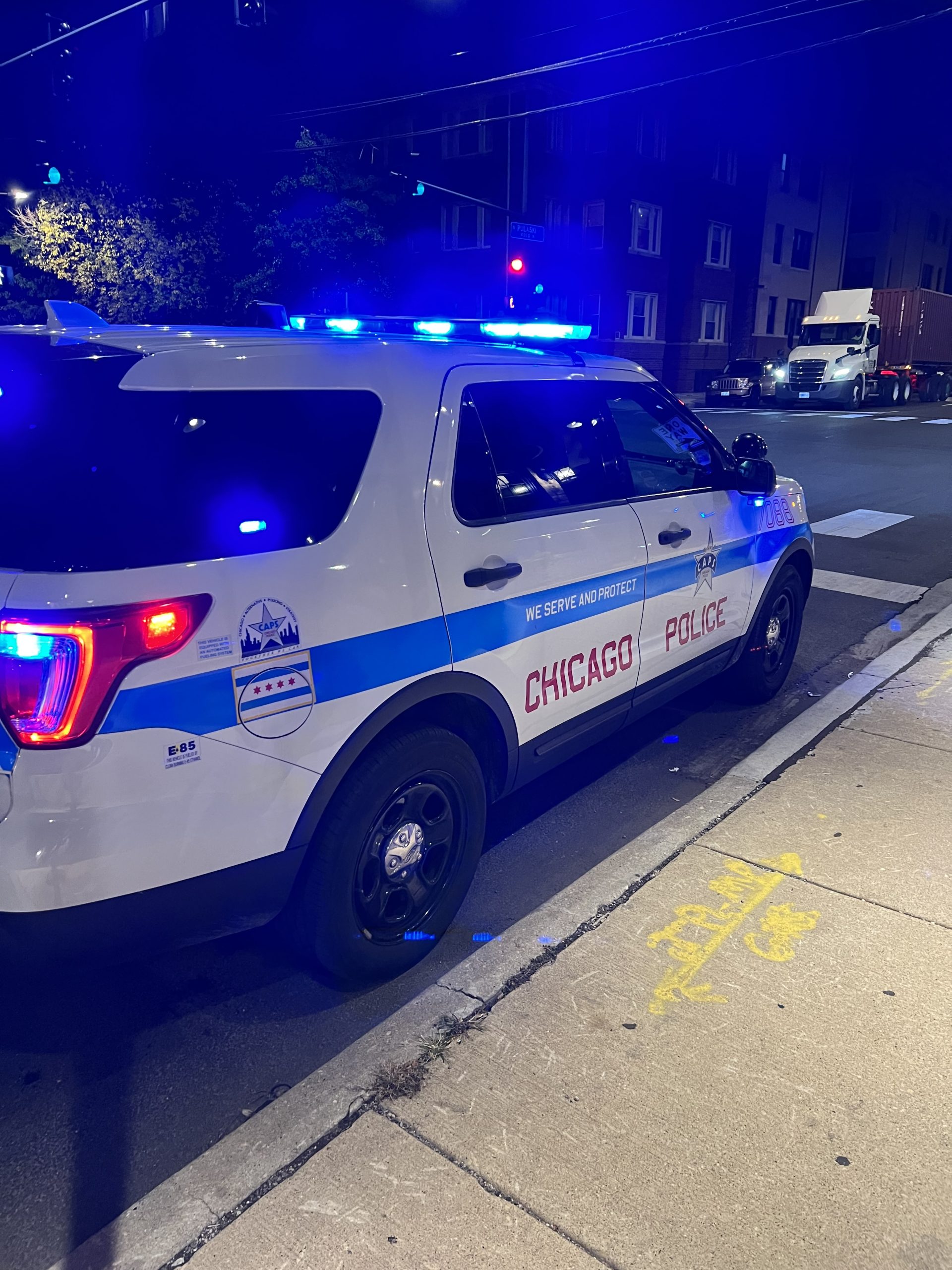
What happens if you are driving in Chicago and you are driving through a green light when all of a sudden a police car from your and comes through the red light and crashes into your car and you are injured. Can you make a claim against the city if Chicago. As in many legal scenarios: “it depends”. The personal injury lawyers of Zneimer & Zneimer P.C. have handled these cases and they are always challenging.
Illinois law draws an important distinction between police officers driving in ordinary conditions and officers responding to an emergency call. That distinction directly affects the burden of proof an injured victim must meet in order to recover compensation.
Police Are Not Always Immune From Liability
Police officers are allowed to drive city vehicles just like anyone else. When they do so, they are generally required to follow the same rules of the road as other drivers. If a police officer causes a crash while simply patrolling, commuting between locations, or performing routine duties, the case is often treated much like any other negligence claim.
However, when an officer claims they were responding to an emergency, Illinois law provides them with greater legal protection — but not absolute immunity.
Ordinary Driving vs. Emergency Response: Why It Matters
- When Police Are Not Responding to an Emergency
If a police officer is not responding to an emergency call, the injured person only needs to prove ordinary negligence, meaning:
- The officer failed to use reasonable care, and
- That failure caused the crash and resulting injuries.
Examples include:
- Failing to obey stop signs
- Failing to keep a proper lookout
- Distracted driving
- Running a red light without emergency authorization
- Rear-ending another vehicle in traffic
In these situations, police officers and the City of Chicago can be held liable just like any other driver or employer.
- When Police Claim They Were Responding to an Emergency
When a police officer is responding to an emergency call, Illinois law raises the standard of proof under the Illinois Tort Immunity Act.
In those cases, the injured party must prove that the officer acted with “willful and wanton conduct.”
This is a much higher burden than ordinary negligence.
Willful and wanton conduct generally means:
- A conscious disregard for the safety of others, or
- A reckless indifference to known risks
In practical terms, it is not enough to show the officer made a mistake — the conduct must be shown to be dangerously unreasonable under the circumstances.
What Counts as an “Emergency” Under Illinois Law?
Police officers cannot simply claim “emergency” status after a crash. Courts look closely at whether the officer was actually responding to an emergency and whether proper procedures were followed. So in the opening scenario of the police vehicle running a red light, the key questions include:
- Was the officer responding to a legitimate emergency call?
- Were emergency lights and sirens activated?
- Was the officer driving at an appropriate speed for conditions?
- Did the officer attempt to warn other drivers?
The Importance of Lights and Sirens
One of the most critical pieces of evidence in these cases is whether the police vehicle had its emergency lights and sirens activated.
Why This Matters:
Under Illinois law, police officers are generally permitted to:
- Exceed speed limits
- Proceed through red lights
- Disregard certain traffic laws
Only when responding to an emergency and using audible and visual signals, unless circumstances make their use unreasonable.
If lights and sirens were not activated, it can strongly undermine the claim that:
- The officer was responding to an emergency, or
- The officer is entitled to heightened legal protection
Evidence Used to Prove (or Disprove) Emergency Response
In Chicago police vehicle accident cases, critical evidence often includes:
- Dash-cam video
- Body-camera footage
- CPD dispatch records and call logs
- Vehicle black-box data
- Radio transmissions
- Witness testimony
- Traffic camera footage
These records can reveal:
- Whether lights and sirens were actually used
- The officer’s speed
- The timing and nature of the alleged emergency call
Because much of this evidence is controlled by the City, it is crucial to act quickly to preserve it.
Why These Cases Are Legally Complex
Claims involving police vehicles are very different from typical car accident cases. The City of Chicago and its insurers aggressively defend these claims and frequently rely on immunity defenses.
Determining:
- Whether an officer was responding to an emergency
- Which burden of proof applies
- Whether the officer’s conduct crossed the line into willful and wanton behavior
requires careful legal analysis and early investigation.
If you are injured in a crash involving a Chicago police vehicle, do not assume you have no case. Liability often depends on what the officer was doing, how they were driving, and whether emergency procedures were followed.
- Investigate whether emergency status was legitimate
- Preserve critical video and dispatch evidence
- Determine whether the case involves negligence or willful and wanton conduct
The personal injury lawyers of Zneimer & Zneimer, P.C., have the experience to handle your police vehicle accident case.