 Chicago Accident Lawyer Blog


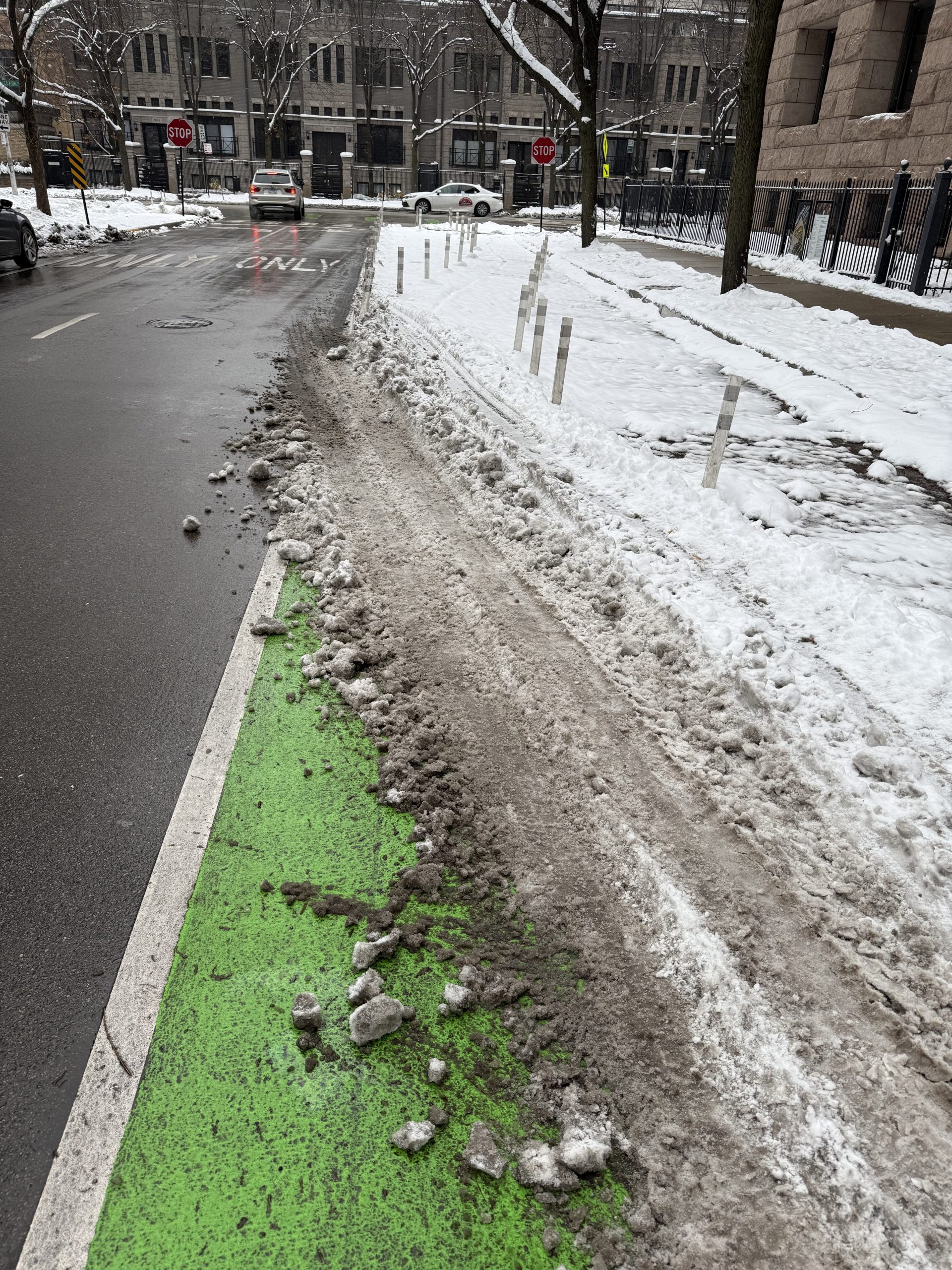
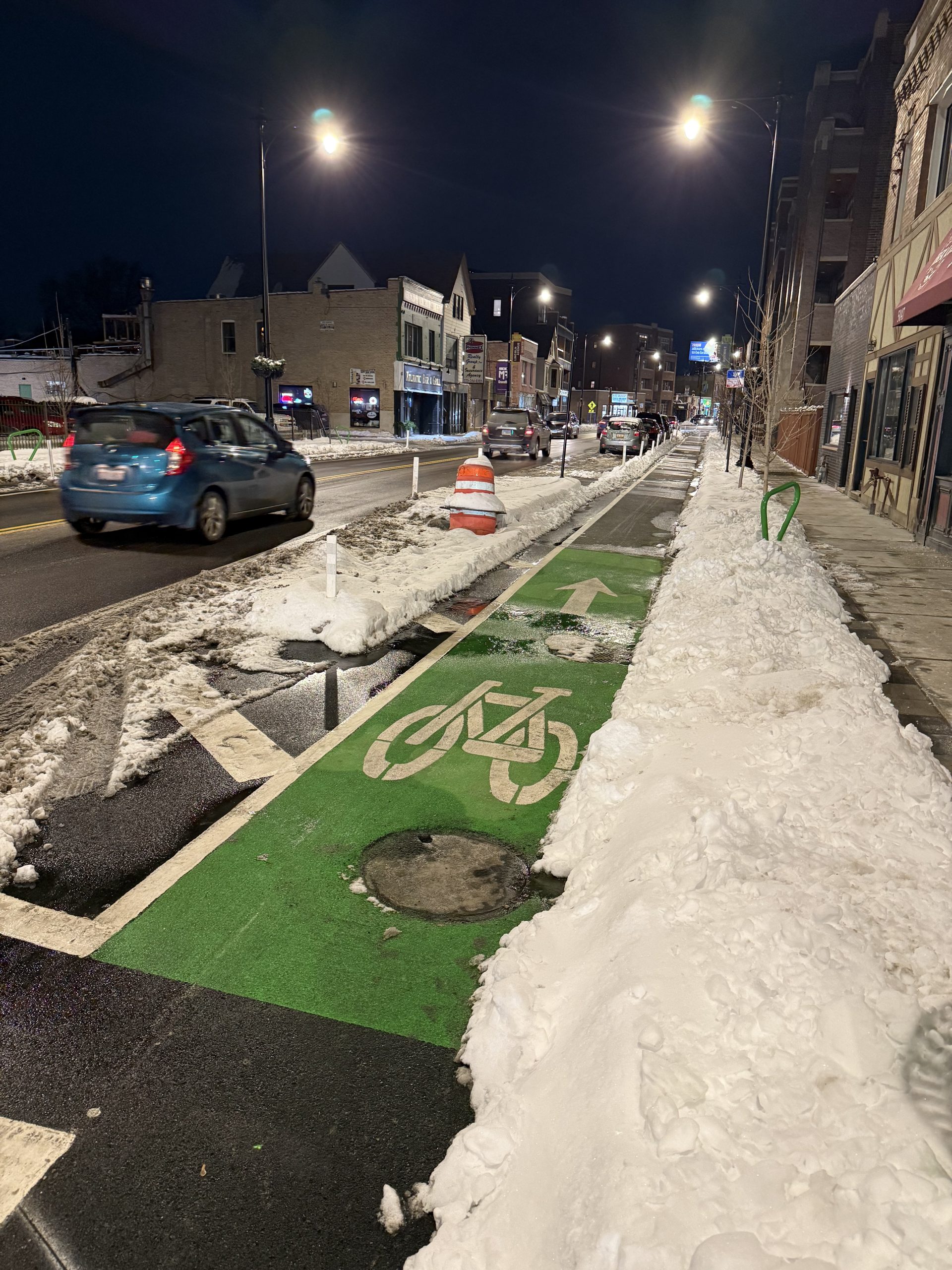
Chicago has made major investments in bike lanes—especially protected lanes designed to separate cyclists from vehicle traffic. These projects aim to reduce crashes, improve safety, and encourage alternative transportation. But as winter sets in, a serious question remains:
If Chicago expects people to keep biking in winter, are the bike lanes being kept safe enough to actually use?
At Zneimer & Zneimer, P.C., we represent injured cyclists and drivers alike. Winter biking highlights a growing conflict between safety, infrastructure, and real-world conditions on Chicago streets.
Winter Bike Lanes Only Work If They’re Cleared
Protected bike lanes are designed to improve safety—but when they fill with snow, slush, and ice, they can become more dangerous than riding in traffic.
Unlike regular streets, many protected lanes are not plowed promptly or thoroughly, leaving cyclists to choose between:
- Riding in an icy bike lane next to concrete barriers
- Or merging into live traffic with vehicles that may not expect them
Snow drifting between barriers, frozen tire ruts, and unplowed intersections create perfect conditions for serious injuries—especially spine, head, and wrist trauma.
If a city expects year-round cycling, year-round maintenance is not optional.
Neighborhood Opposition Is Growing
Not all neighborhoods welcome bike lanes—especially in winter. Recently, residents in Brighton Park protested new protected lanes along Archer and Kedzie Avenues, arguing that the redesign:
- Reduced lanes of traffic from four to two
- Caused major congestion
- Eliminated valuable parking
- Slowed emergency vehicle access
- And sits mostly unused during winter months
Drivers also reported cars cutting through side streets and alleys to escape congestion—creating new safety dangers in residential areas. Some cyclists demonstrated in support of the barriers, emphasizing that the corridor had a high rate of serious crashes and injuries.
This debate highlights an uncomfortable reality:
Infrastructure must work for the entire community—not just on paper.
A few Chicagoans Do Ride All Winter
Despite the conditions, some Chicago residents bike year-round—commuting to work in freezing temperatures, snow, and wind. These riders use:
- Studded tires
- Winter riding gear
- High-visibility clothing
- And defensive riding strategies
But these cyclists represent a small percentage of daily winter commuters. Their dedication is real—yet it does not mean Chicago’s infrastructure is fully prepared to support mass winter cycling safely.
Northern Europe Shows What “Total Commitment” Looks Like
Cities in Denmark, Sweden, and the Netherlands don’t just build bike lanes—they maintain them aggressively in winter. Snow is sometimes cleared from bike lanes before car lanes. Intersections stay visible. Barriers are designed for plow access.
In those cities, winter biking works because:
- Maintenance is constant
- Visibility is preserved
- Vehicles expect cyclists year-round
- And enforcement is consistent
If you have been injured in an auto or bike accident, the personal injury lawyers of Zneimer & Zneimer, P.C. can answer any questions you may have. Call for a free consultation.