Articles Posted in Bicycle Accidents

IMG_0070-225x300IMG_6346-225x300
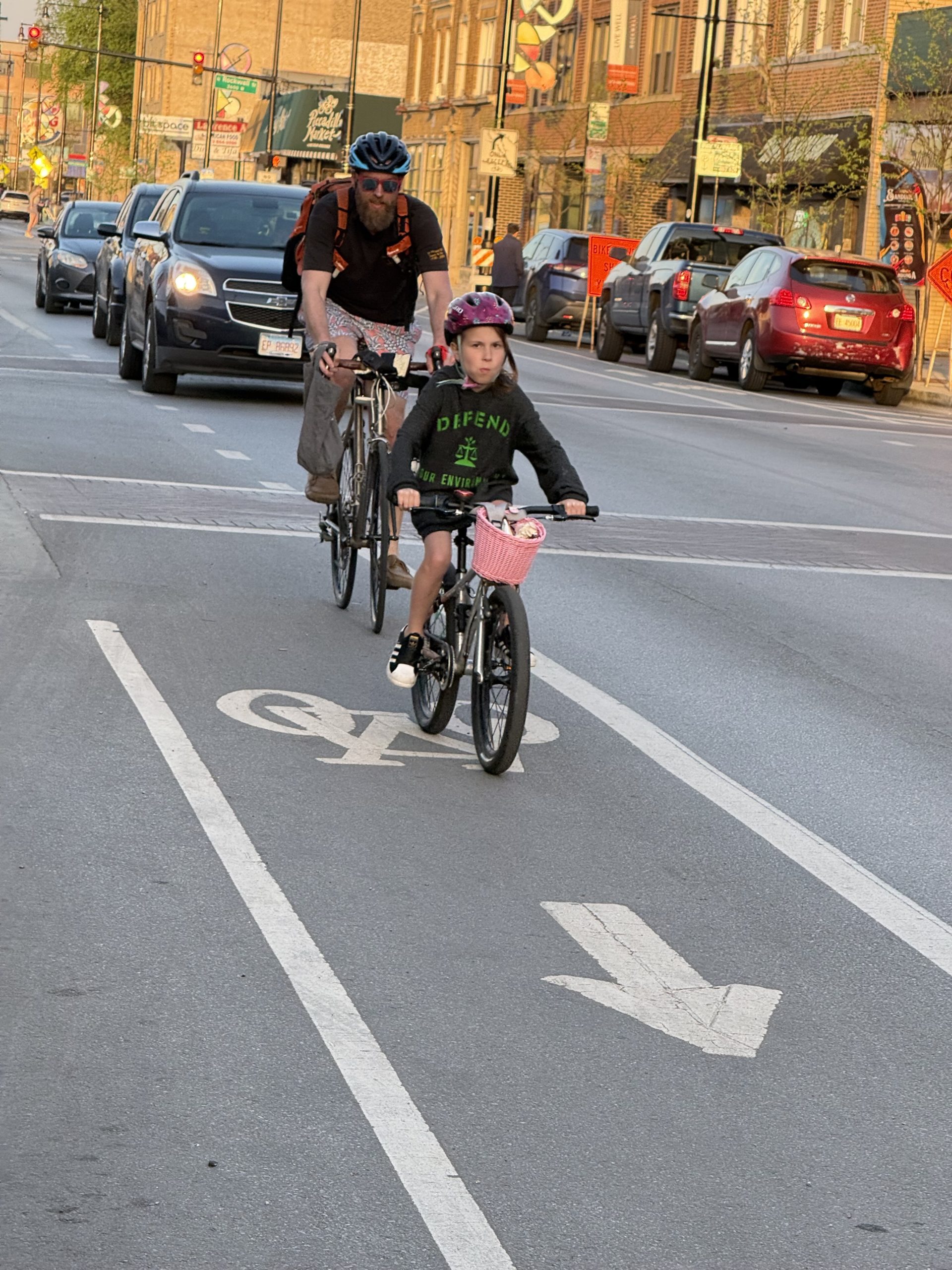
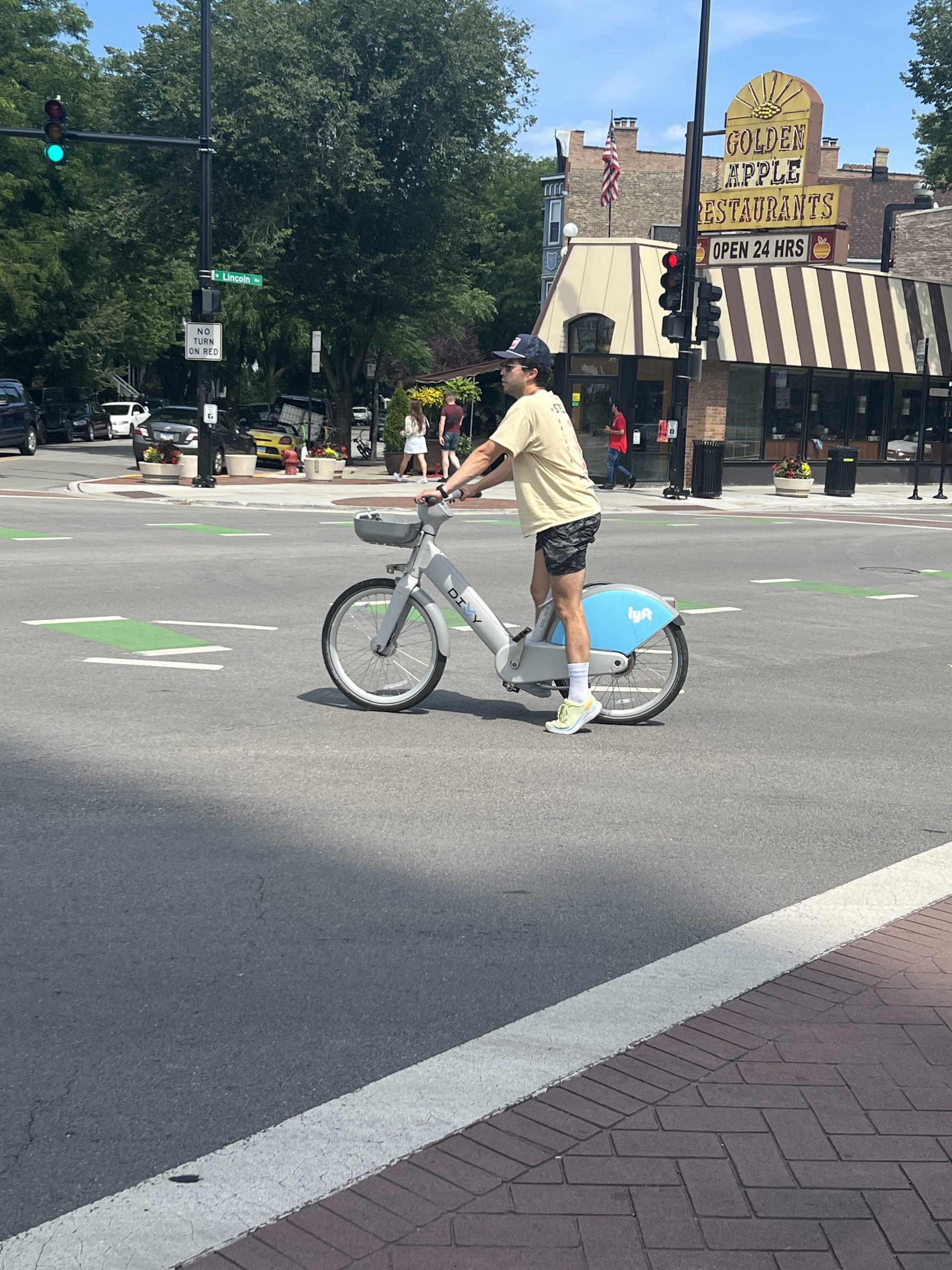
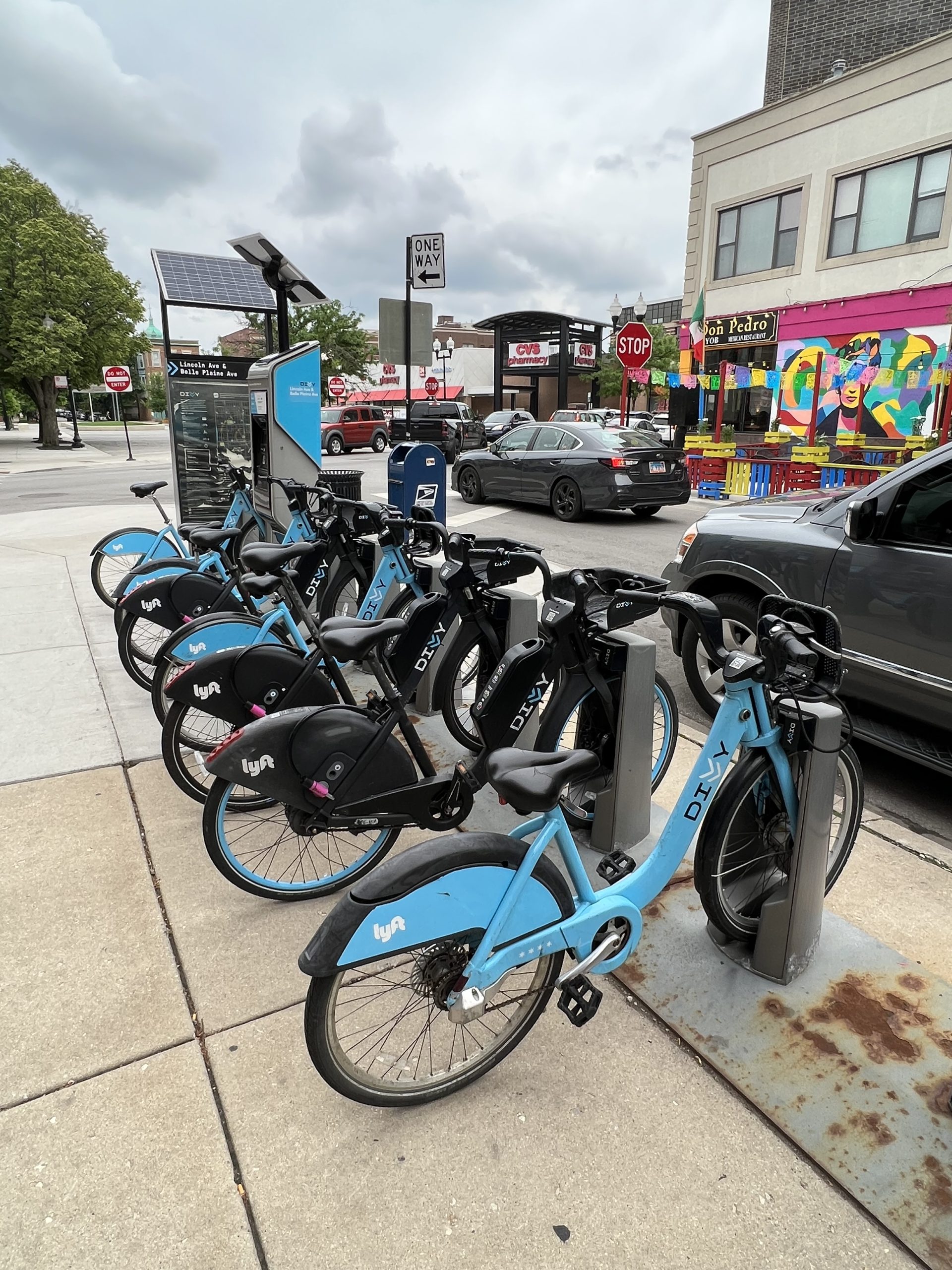
Chicago’s continued expansion of the Divvy bike-share system marks a major shift toward sustainable transportation. The City’s March 2026 announcement highlights new stations, broader neighborhood access, and incentives like reduced-cost memberships aimed at increasing ridership across the city.

Divvy is already one of the largest bike-share systems in North America, with over 1,000 stations and more than 11 million bike and scooter trips recorded in 2024 alone.

As access expands, more Chicago residents are turning to Divvy bikes, including electric bikes, for commuting and recreation. But this rapid growth comes with an important legal and safety reality:

IMG_7996-225x300IMG_0007-225x300
By Zneimer & Zneimer P.C. – Chicago Personal Injury Lawyers

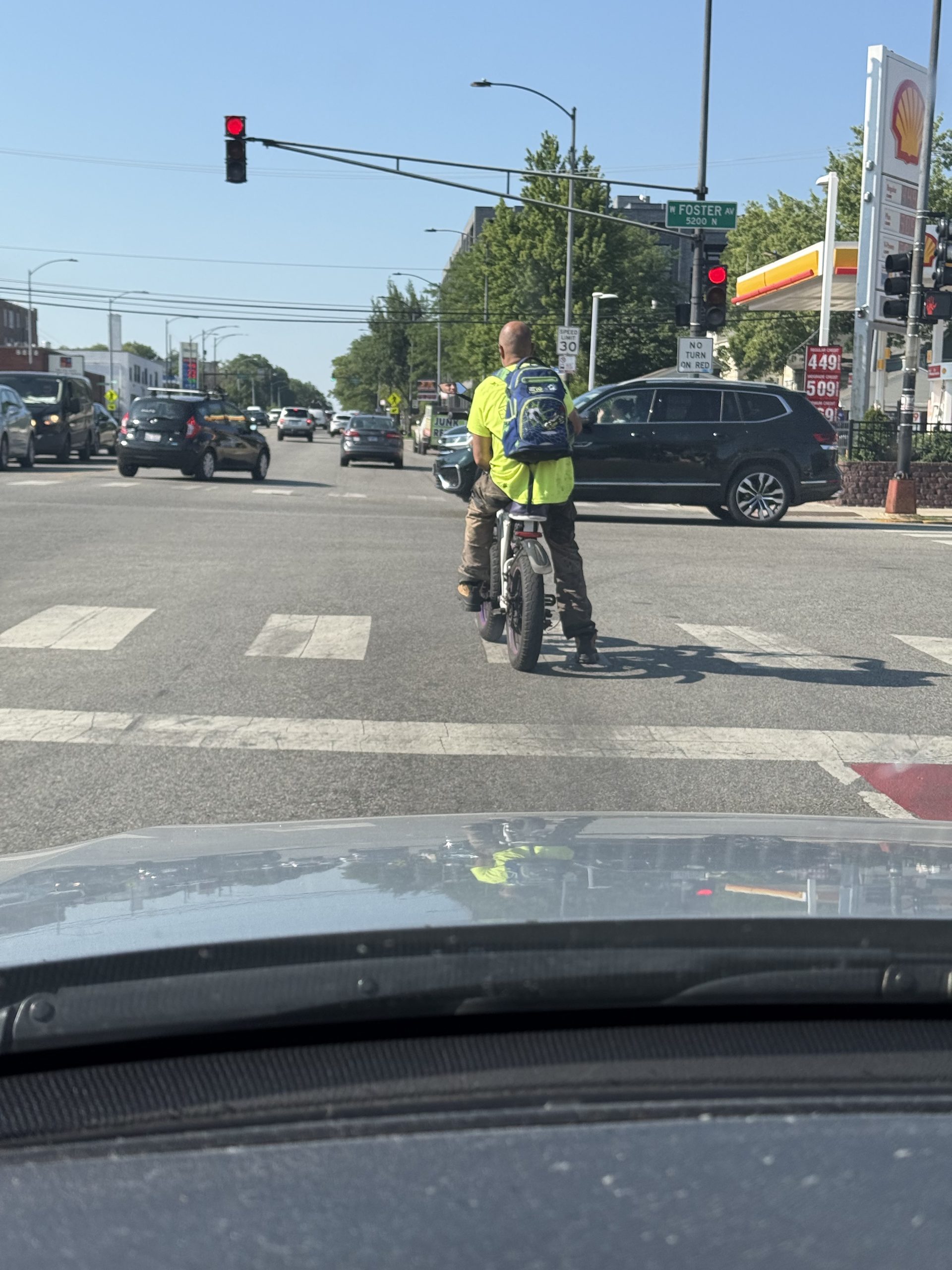
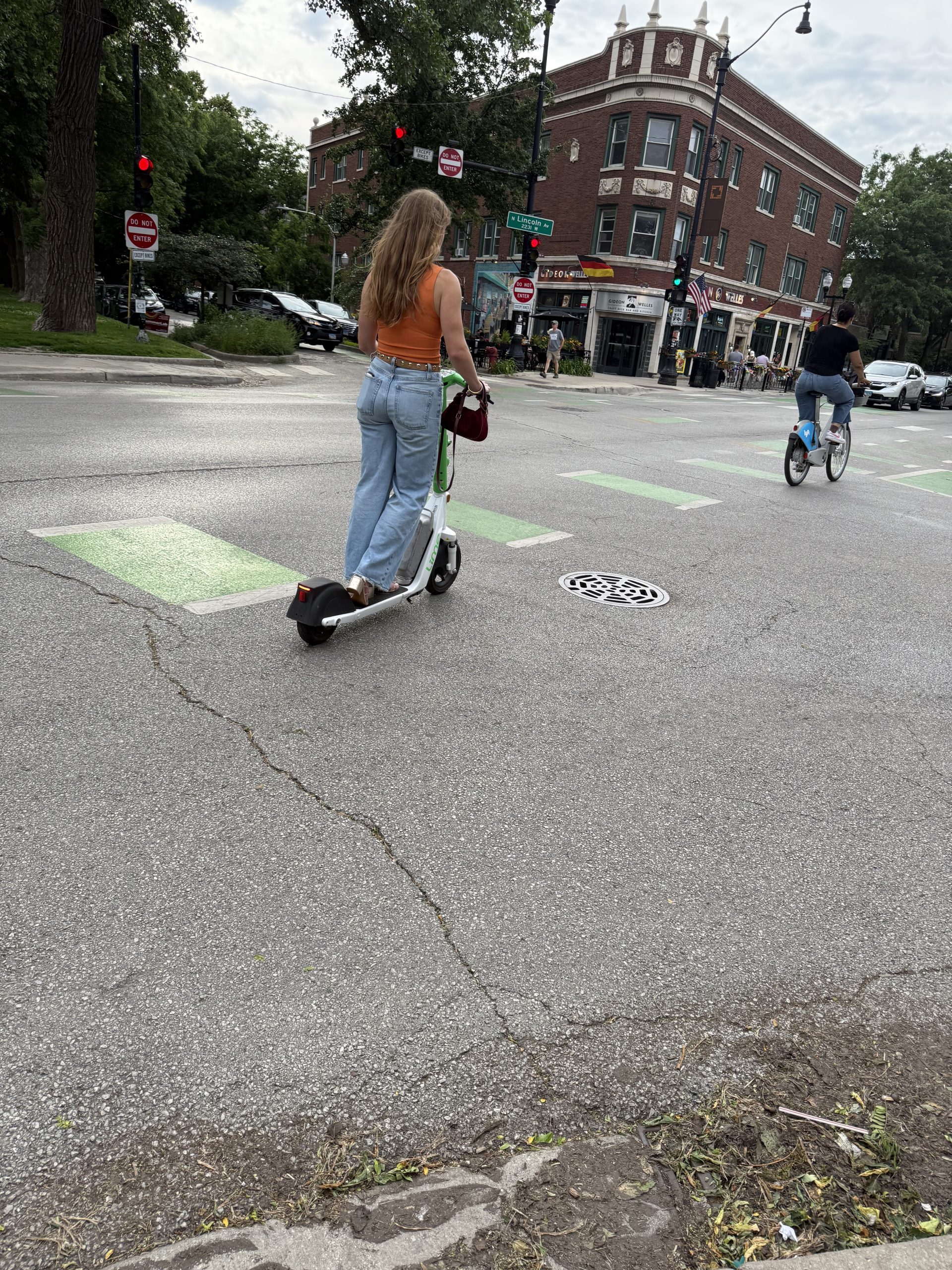
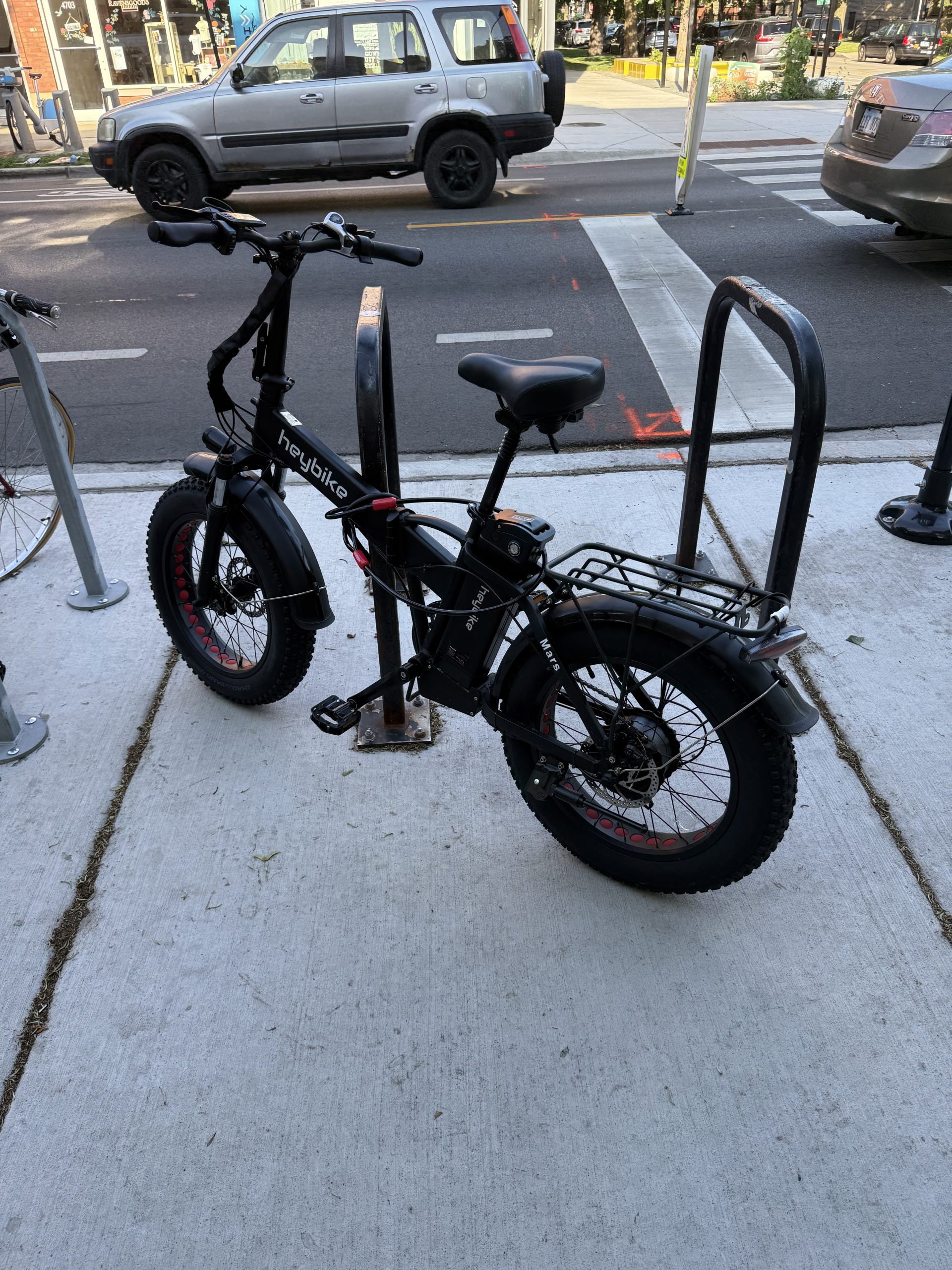
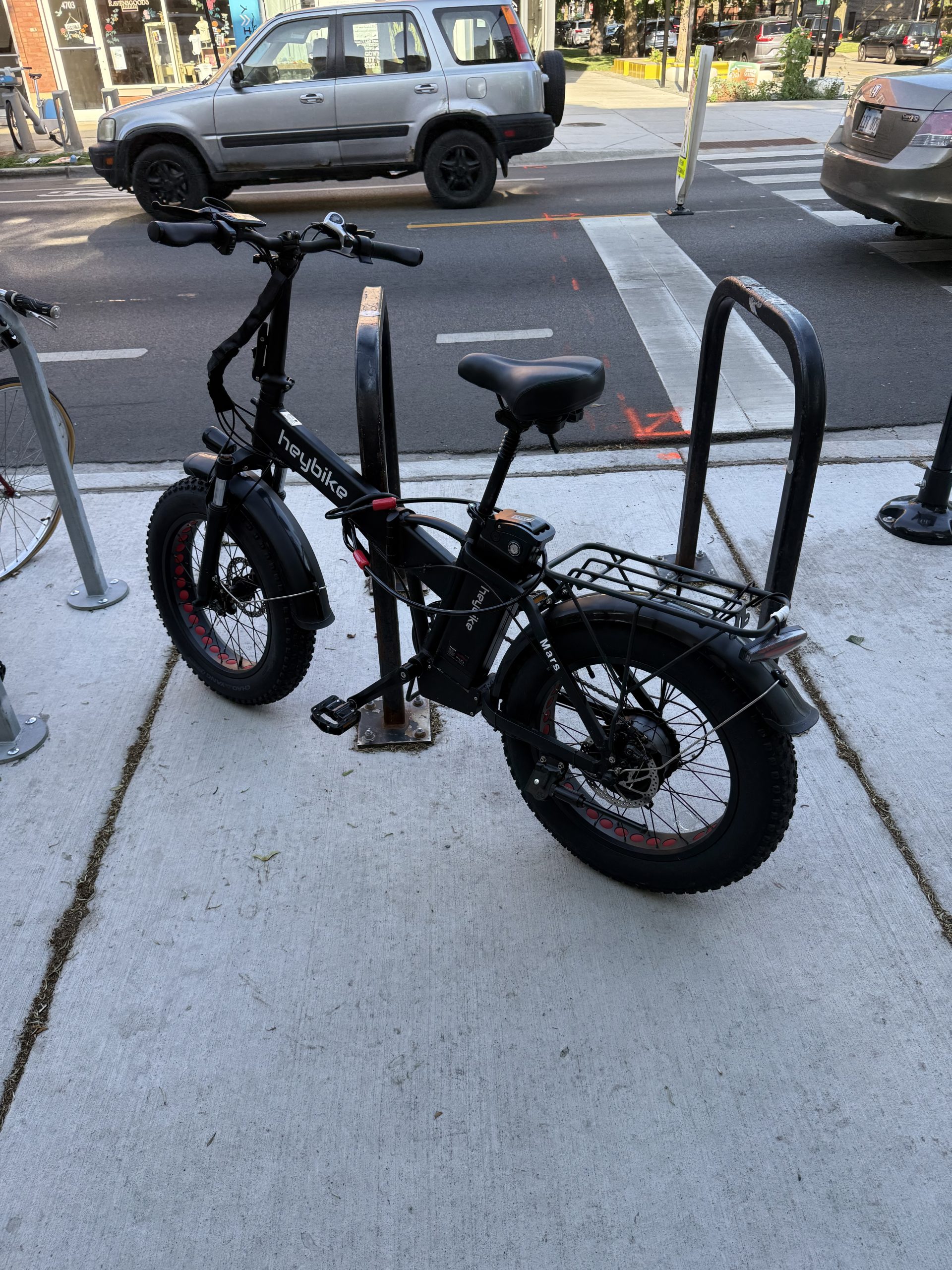
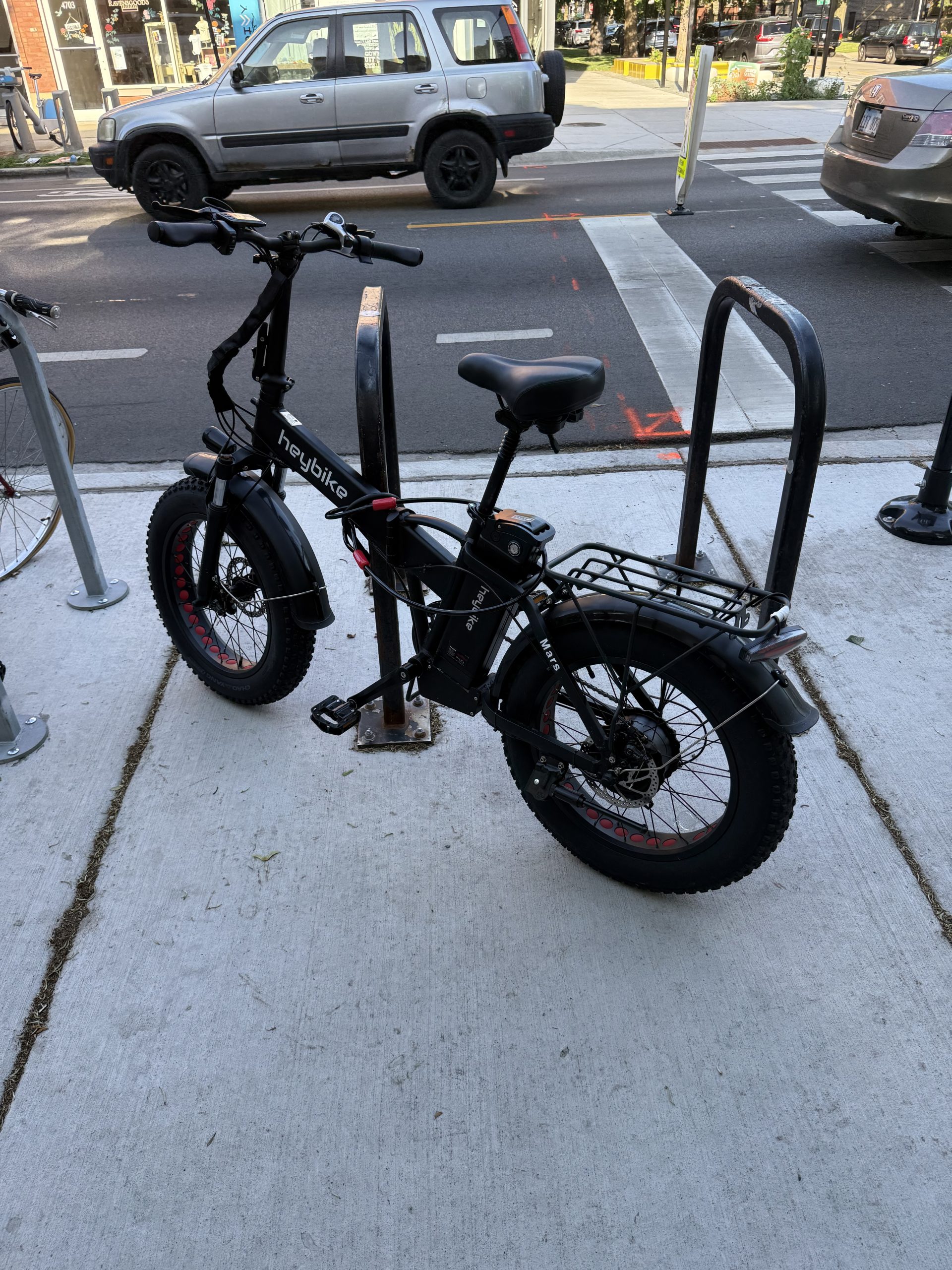
Electric bikes and scooters have rapidly reshaped transportation across Illinois. What began as pedal-assist bicycles traveling 15–20 mph has evolved into a new generation of high-powered electric devices capable of 40–50 mph speeds — often operated without licensing, insurance, or clear regulatory oversight.

Electric bikes are ubiquitous nowadays on the streets of Chicago. What began as pedal-assist bicycles traveling 15–20 mph has evolved into a new generation of high-powered electric devices capable of 40–50 mph speeds, often operated without licensing, insurance, or clear regulatory oversight. The question becomes where exactly e-bikes are supposed to be driven. Should people be riding their e-bikes 30 miles per hour in bike lanes and on the lake bike trails? When a bike reaches that speed shouldn’t they even be treated more like a motorcycle and less like a bike? What ages should be allowed to ride e-bikes that can achieve high speeds? How safe is it to have high speed bikes on trails and lanes meant for pedal bikes? These are questions that our city and state lawmakers have left unanswered.

Chicago is once again debating how to balance traffic safety with everyday commercial reality. A recently advanced ordinance, championed by Ald. Daniel La Spata and approved by the City Council’s Committee on Pedestrian and Traffic Safety, would expand enforcement against vehicles that block bike lanes, bus lanes, and crosswalks.

The proposal would allow residents to submit photos and videos of illegally parked vehicles through 311, with enforcement aides dispatched to investigate and issue citations. Early phases would reportedly focus on commercial vehicles, with the goal of improving compliance and safety.

The personal injury lawyers of  Zneimer & Zneimer, P.C., see firsthand how obstructed lanes and poorly managed street design contribute to serious injuries. But we also understand the practical tensions this ordinance raises.

IMG_1839-225x300IMG_1872-225x300
Chicago has made major investments in bike lanes—especially protected lanes designed to separate cyclists from vehicle traffic. These projects aim to reduce crashes, improve safety, and encourage alternative transportation. But as winter sets in, a serious question remains:

If Chicago expects people to keep biking in winter, are the bike lanes being kept safe enough to actually use?

At Zneimer & Zneimer, P.C., we represent injured cyclists and drivers alike. Winter biking highlights a growing conflict between safety, infrastructure, and real-world conditions on Chicago streets.

IMG_1652-225x300IMG_1609-1-225x300
By Chicago bike injury lawyers Zneimer & Zneimer P.C.

My partner and I, while sitting at the Perfect Cup coffee shop at the corner of Leland Ave. and Damen Ave. decided to conduct an unscientific survey to see how many of the bicyclists passing through the intersection stop for the four way stop.  The results of our unscientific survey were as follows. During the time we drank our coffee, we recorded 15 bicyclists going through the intersection.  Out of the 15 bicyclists, 12 bicyclists did not stop or slow down at all before going through the stop sign.  The other 3 bicyclists  did not come to a stop either but at least put on their brakes and slowed down before going through the stop signs.  The fact of the matter is it is hard for a bicyclist to put of their brakes and stop at stop signs and then start up again. Its much easier to just go through stop signs and, hey, everybody does it. But what happens if you fail to stop and then get into an accident with a car coming from the other direction? The Chicago bicycle accident lawyers, Zneimer & Zneimer P.C. have handled such cases and from experience, they are difficult cases to win.

This blog explains why, what Chicago’s ordinances actually require, and how following the rules of the road protects both your safety and your legal rights.

IMG_9038-225x300IMG_8750-225x300
As temperatures drop and snow begins to fall, many Chicagoans pack away their bikes for the season. Yet, an increasing number of dedicated cyclists continue to rely on bicycles for transportation—even through the harsh Midwest winter. While winter biking may not be for everyone, it is becoming more common, and both cyclists and motorists must adapt to share the road safely.  The bike injury lawyers of Zneimer & Zneimer P.C. note that bike riding during the winter months in Chicago can be treacherous for obvious reasons.

Is Winter Biking in Chicago Realistic?

Maybe with extreme caution. Chicago’s cycling infrastructure, including protected bike lanes and the Divvy bike-share system, makes year-round biking possible for some. However, snow, ice, slush, and reduced daylight make conditions more dangerous than in warmer months.  Additionally, most of Chicago’s “bike lanes” such as the lanes that run down Lawrence Ave., Lincoln Ave. and Damen Ave. are not protected bike lanes and run along the parked car lane.  Cyclists who choose to ride in winter must use extra caution, wear reflective and layered clothing, and ensure their bikes have good traction tires and bright front and rear lights.

IMG_1354-225x300IMG_1608-225x300
Los abogados de accidentes de bicicleta en Chicago de Zneimer & Zneimer P.C. saben que una de las causas más comunes de los accidentes graves en bicicleta es la falta de visibilidad durante la noche. Incluso el ciclista más cuidadoso puede ser atropellado por un conductor que simplemente no lo ve hasta que es demasiado tarde.

Las Bicicletas Son Difíciles de Ver de Noche

Cuando cae la noche, las bicicletas son mucho más difíciles de detectar en la carretera, especialmente a distancia o cuando las luces de los autos crean reflejos o sombras. Las calles de Chicago están llenas de tráfico, autos estacionados e intersecciones, lo que hace aún más difícil para los conductores notar a los ciclistas a tiempo. Muchos choques nocturnos ocurren porque el conductor no vio la bicicleta hasta el momento del impacto.

IMG_1581-225x300IMG_1609-225x300
Con el cambio de horario por el Daylight Saving Time, las tardes en Chicago se vuelven oscuras más temprano, justo cuando muchos regresan a casa del trabajo o la escuela. Este cambio estacional crea condiciones peligrosas para los ciclistas que circulan por las calles de la ciudad. En Zneimer & Zneimer P.C., nuestros abogados de lesiones personales han representado a numerosos ciclistas lesionados después del anochecer — muchos de ellos simplemente regresaban a casa. Conocer los peligros de andar en bicicleta de noche y las obligaciones de los conductores puede ayudar a prevenir tragedias.

Oscuridad y Luces Altas: Una Combinación Peligrosa

Durante los meses de invierno, el sol puede ponerse tan temprano como a las 4:30 p.m., lo que significa que muchos viajes cortos ocurren en condiciones de poca luz o en completa oscuridad. Las luces delanteras intensas de los automóviles pueden cegar temporalmente a los conductores, dificultando ver a ciclistas que circulan al borde del carril. El problema empeora en calles angostas o cuando la lluvia o la nieve reflejan el brillo de los faros.

IMG_1558-225x300IMG_1562-225x300
As daylight saving time ends, Chicago evenings grow darker earlier—often just as commuters head home. This seasonal change creates a perfect storm for bicycle accidents on Chicago streets.  The bike injury lawyers of Zneimer & Zneimer P.C., have represented cyclists injured after dark, many of whom were simply trying to get home safely. Understanding the unique dangers of biking at night—and how motorists can help prevent tragedy—is crucial for everyone sharing the road.

Darkness and Headlight Glare: A Dangerous Combination

With sunset arriving as early as 4:30 p.m. in winter months, even short commutes occur in low-light or dark conditions. Bright headlights from oncoming traffic can momentarily blind motorists, making it difficult to see cyclists riding along the edge of the lane. This effect is especially severe on narrow Chicago streets or when rain, snow, or wet pavement reflects the glare.

IMG_E1121-300x291IMG_1084-225x300
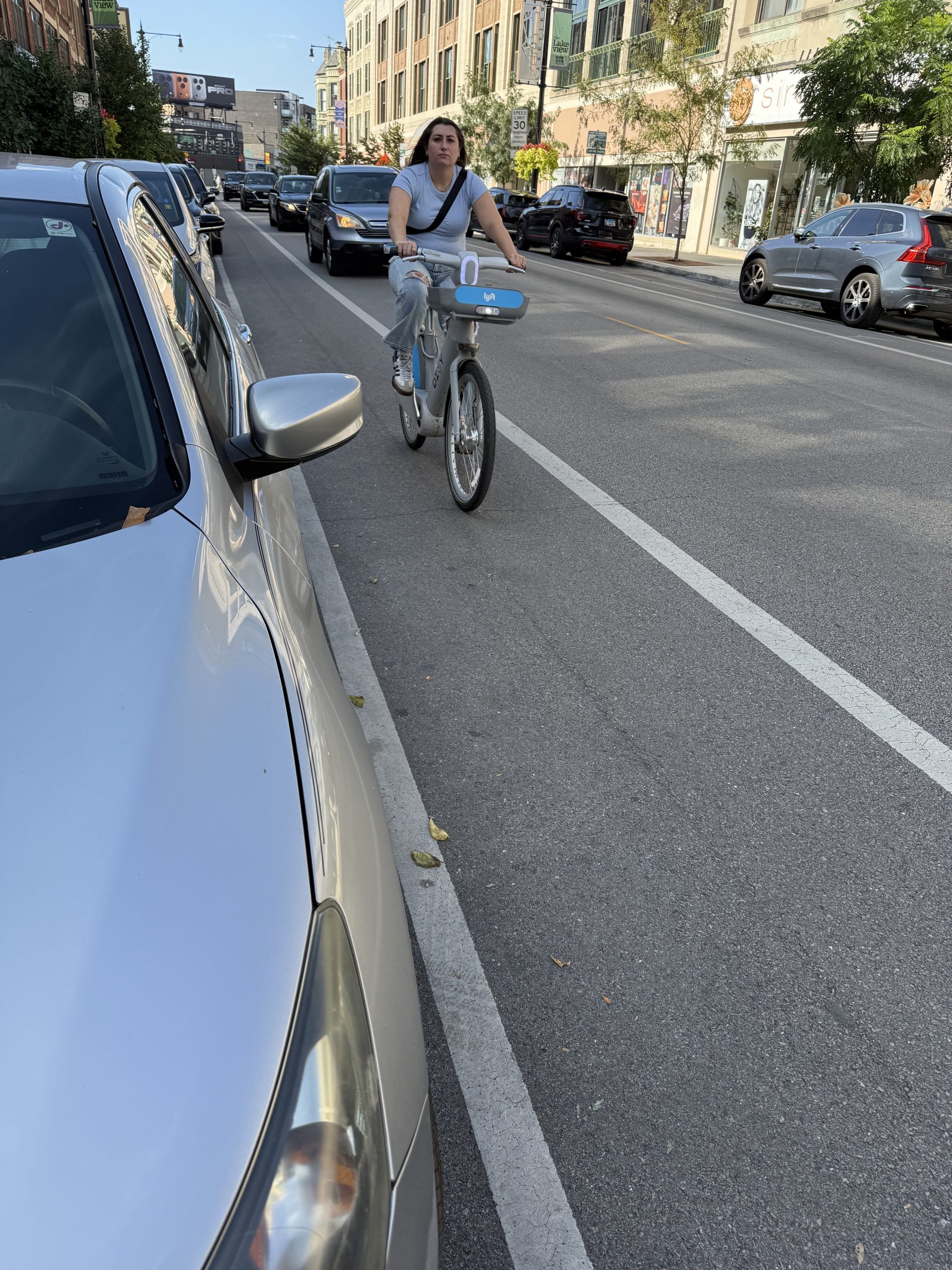
Bike riding has taken off in Chicago in the last few years. More bike riding has predictably lead to more bike accidents. The bike accident lawyers of Zneimer & Zneimer P.C. have witnessed the rise of bike accidents first hand, with more injury cases calling than ever. One of the most common types of bike crashes that Zneimer & Zneimer P.C. handle are “dooring” accidents.  In Chicago the majority of bike lanes run right next to parked cars, and that proximity creates a serious and underappreciated danger: the risk of being “doored.” In a dooring accident, a motorist or passenger forgets to look for bikes and opens a vehicle door into the path of an oncoming bicyclist, causing a collision, most often throwing the biker off their bike that often results in an injury.

In this post, we’ll explain why dooring is a uniquely dangerous hazard in Chicago, what the law says about it, relevant crash data, and how injured cyclists can protect their rights.

Why “Dooring” Is Especially Risky in Chicago

Contact Information