 Chicago Accident Lawyer Blog


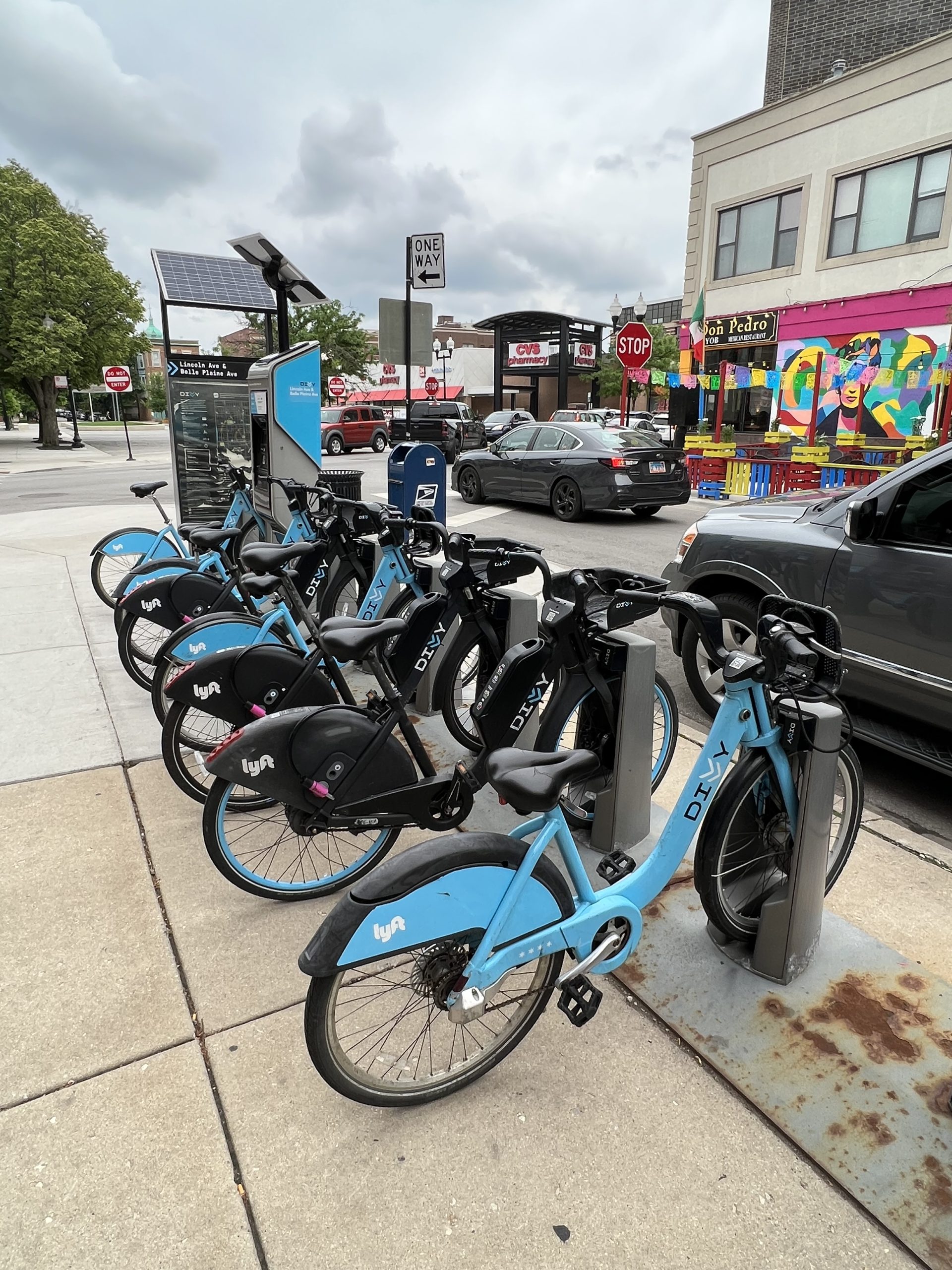

Chicago’s continued expansion of the Divvy bike-share system marks a major shift toward sustainable transportation. The City’s March 2026 announcement highlights new stations, broader neighborhood access, and incentives like reduced-cost memberships aimed at increasing ridership across the city.
Divvy is already one of the largest bike-share systems in North America, with over 1,000 stations and more than 11 million bike and scooter trips recorded in 2024 alone.
As access expands, more Chicago residents are turning to Divvy bikes, including electric bikes, for commuting and recreation. But this rapid growth comes with an important legal and safety reality:
As bicycle usage increases, so do bicycle accidents and injuries. The personal injury lawyers of Zneimer & Zneimer P.C. have seen first hand how bike injuries can seriously impact a injury victims life.
Chicago Bicycle Accident Statistics Show a Clear Trend
Recent data underscores the risks facing cyclists in Chicago:
- In 2023, Chicago recorded approximately 1,440 bicycle crashes, with 1,270 resulting in injuries and seven fatalities.
- On average, the city sees around 1,400 bike crashes per year, including hundreds of serious injuries.
- Nearly 70% of all Illinois bicycle–vehicle collisions occur in Chicago, reflecting the city’s dense traffic environment.
- In 2022 data, over 73% of bicycle crashes resulted in injury, meaning most cyclists involved do not walk away unharmed.
The trend is not improving. Reports indicate that bicycle crashes have increased significantly in recent years, with some analyses showing nearly a 50% rise in crashes between 2022 and 2025.At the same time, cycling remains inherently vulnerable. Cyclists have far less protection than motorists and are several times more likely to be injured or killed in a crash.
Why Divvy Expansion Increases Injury Risk
The City’s expansion is designed to increase ridership—and it is working. However, more bikes on the road naturally lead to:
- More interactions between cyclists and vehicles
- More inexperienced riders using shared bikes
- Greater congestion in bike lanes and intersections
Electric Divvy bikes further complicate safety. They are heavier and faster than traditional bicycles, reducing reaction time and increasing stopping distances—particularly for occasional riders or tourists unfamiliar with Chicago traffic patterns.
Legal professionals and safety advocates have consistently noted that as micromobility systems expand, crash risk rises alongside usage, especially in dense urban environments.
The Most Common Causes of Divvy Bike Injuries
Most bicycle accident claims in Chicago involve a small number of recurring causes, with driver negligence leading the list. Motorists frequently fail to yield, make unsafe turns, or drive distracted, creating dangerous conditions for cyclists.
“Dooring” is another major hazard unique to urban environments. Chicago data shows that approximately 20% of bicycle crashes involve a car door opening into a cyclist’s path, making it one of the most common accident types in the city.
Road conditions also play a significant role. Potholes, uneven pavement, and construction zones can easily cause a cyclist, especially on a heavier Divvy bike, to lose control.
Finally, rider inexperience is a growing issue. Divvy’s accessibility means many users are casual riders who may not be accustomed to navigating traffic, judging speed, or reacting to sudden hazards.
Common Injuries in Chicago Bicycle Accidents
Because cyclists have little physical protection, injuries are often severe. Common outcomes include head trauma, fractures, spinal injuries, and internal damage. Even relatively low-speed crashes can lead to long-term medical complications and significant financial losses.
Legal Liability in Divvy Bike Accident Cases
Determining liability in a Divvy bike accident is rarely straightforward. In many cases, negligent drivers are responsible, particularly when they fail to yield or violate traffic laws. However, liability may also extend to other parties.
The City of Chicago may be liable when unsafe road conditions contribute to a crash. In limited cases, Divvy or its operator (Lyft) could be implicated if a mechanical defect or maintenance failure played a role.
Illinois law treats cyclists as roadway users with the same rights as drivers, meaning injured riders may pursue compensation for medical expenses, lost income, and pain and suffering.
Protecting Yourself on a Divvy Bike
As Divvy expands across Chicago, riders should take proactive steps to reduce risk. Wearing a helmet, using protected bike lanes, and maintaining visibility—especially at night—are essential. Riders should also remain cautious around parked cars and avoid riding in vehicle blind spots.
Extra care is particularly important when using e-bikes, where higher speeds can quickly turn minor mistakes into serious accidents.
Injured in a Divvy Bike Accident in Chicago?
Chicago’s push toward biking is reshaping transportation across the city, but it also brings new legal and safety challenges. With thousands of crashes and injuries occurring each year, understanding your rights after an accident is critical.
The personal injury attorneys of Zneimer & Zneimer, P.C., represent injured cyclists throughout Chicago and Cook County. Our firm understands the complexities of bicycle accident litigation, including cases involving Divvy bikes, negligent drivers, and unsafe road conditions. If you have been injured in an bike accident call the lawyers of Zneimer & Zneimer P.C. for a free consultation.