Articles Posted in Personal Injury

IMG_2751-225x300IMG_2753-225x300
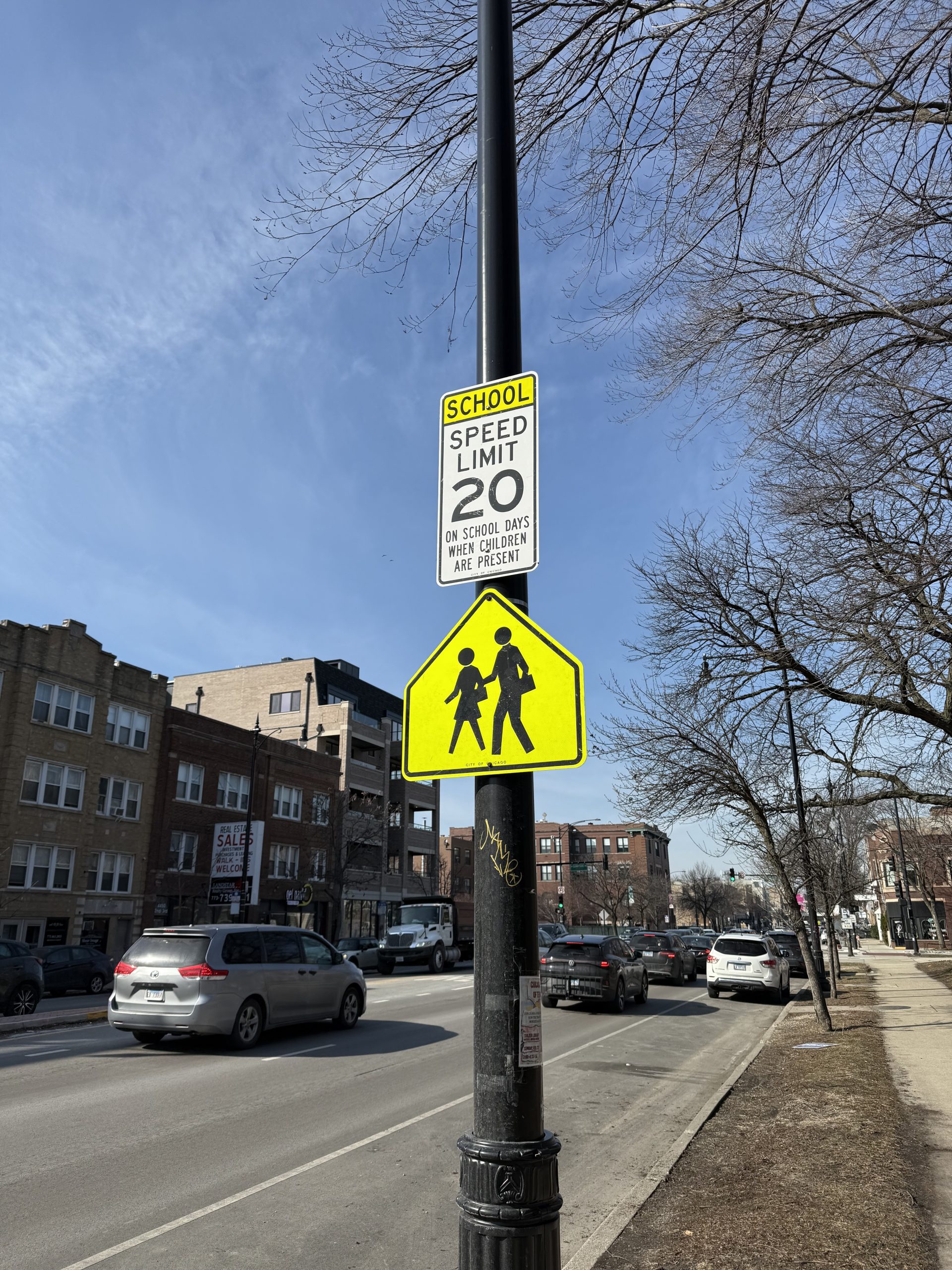
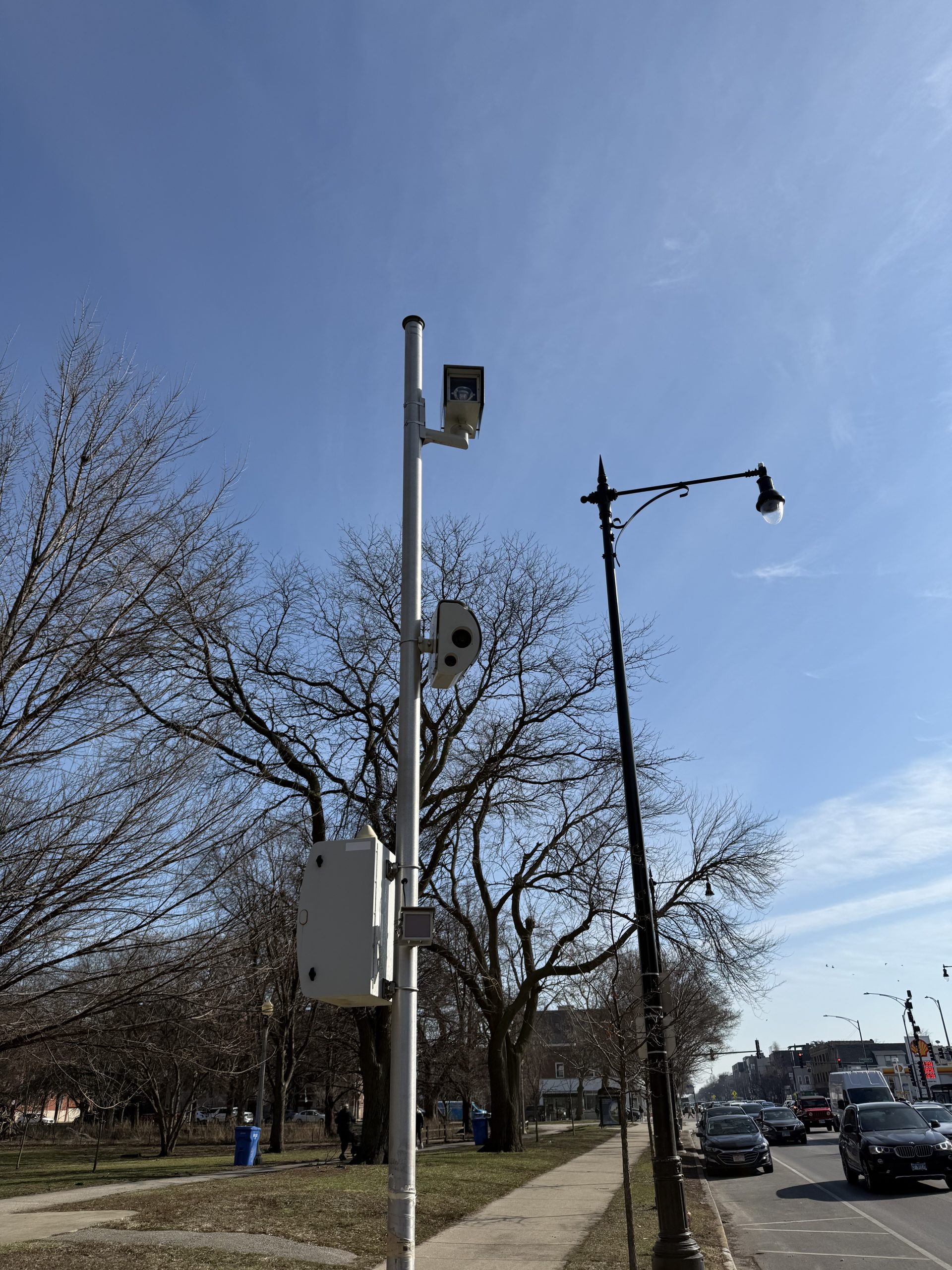
Chicago is continuing its aggressive expansion of automated traffic enforcement. According to a recent CBS Chicago report, the City plans to install 50 additional speed cameras in 2025, adding to an already extensive network across Chicago neighborhoods.

For drivers, pedestrians, and cyclists, this raises a critical issue:

Are speed cameras making Chicago streets safer, or are they simply another form of revenue generation?
IMG_0070-225x300IMG_6346-225x300
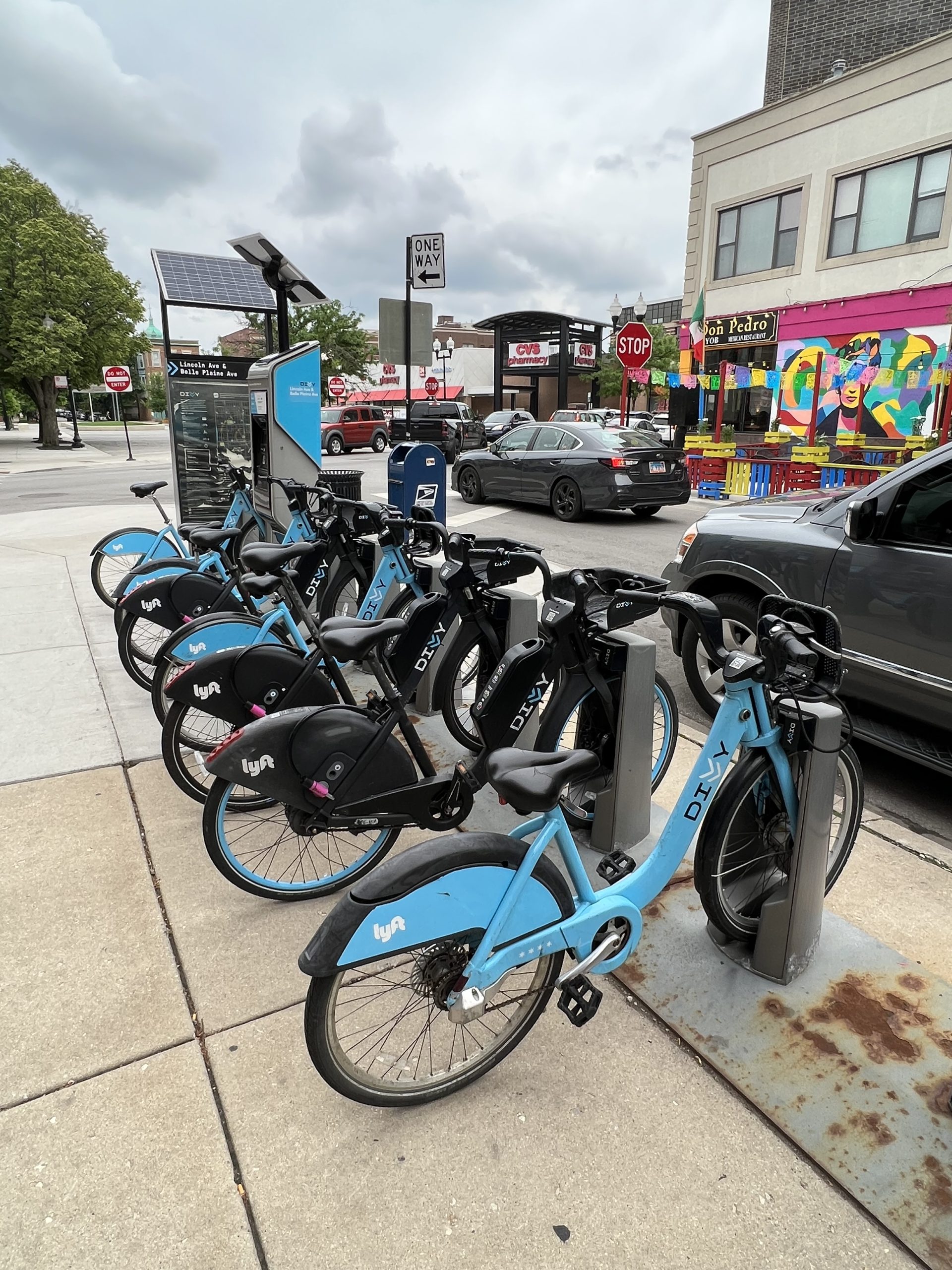
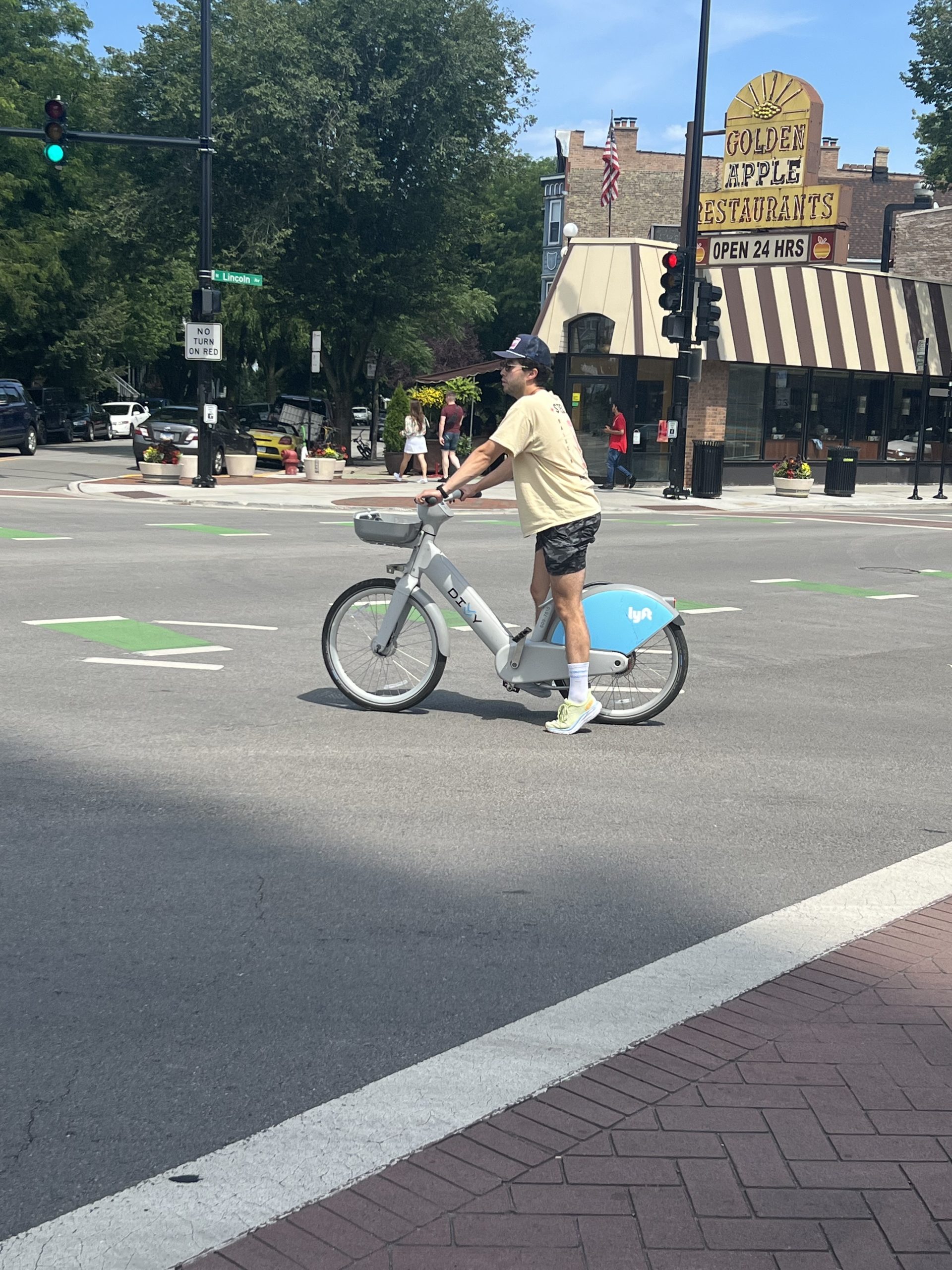
Chicago’s continued expansion of the Divvy bike-share system marks a major shift toward sustainable transportation. The City’s March 2026 announcement highlights new stations, broader neighborhood access, and incentives like reduced-cost memberships aimed at increasing ridership across the city.

Divvy is already one of the largest bike-share systems in North America, with over 1,000 stations and more than 11 million bike and scooter trips recorded in 2024 alone.

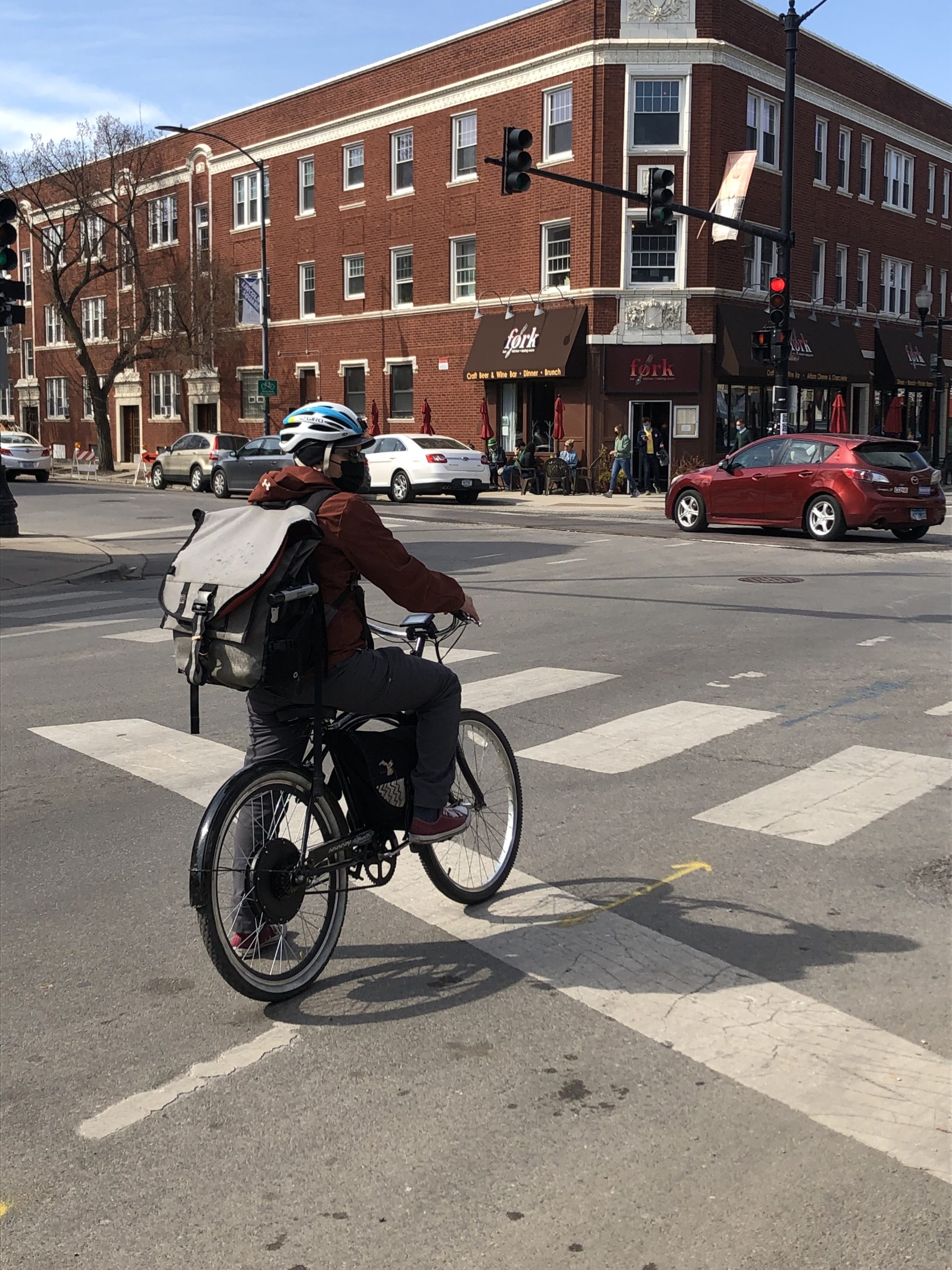
As access expands, more Chicago residents are turning to Divvy bikes, including electric bikes, for commuting and recreation. But this rapid growth comes with an important legal and safety reality:

IMG_2153-225x300
By Zneimer & Zneimer P.C. – Chicago Personal Injury Attorneys

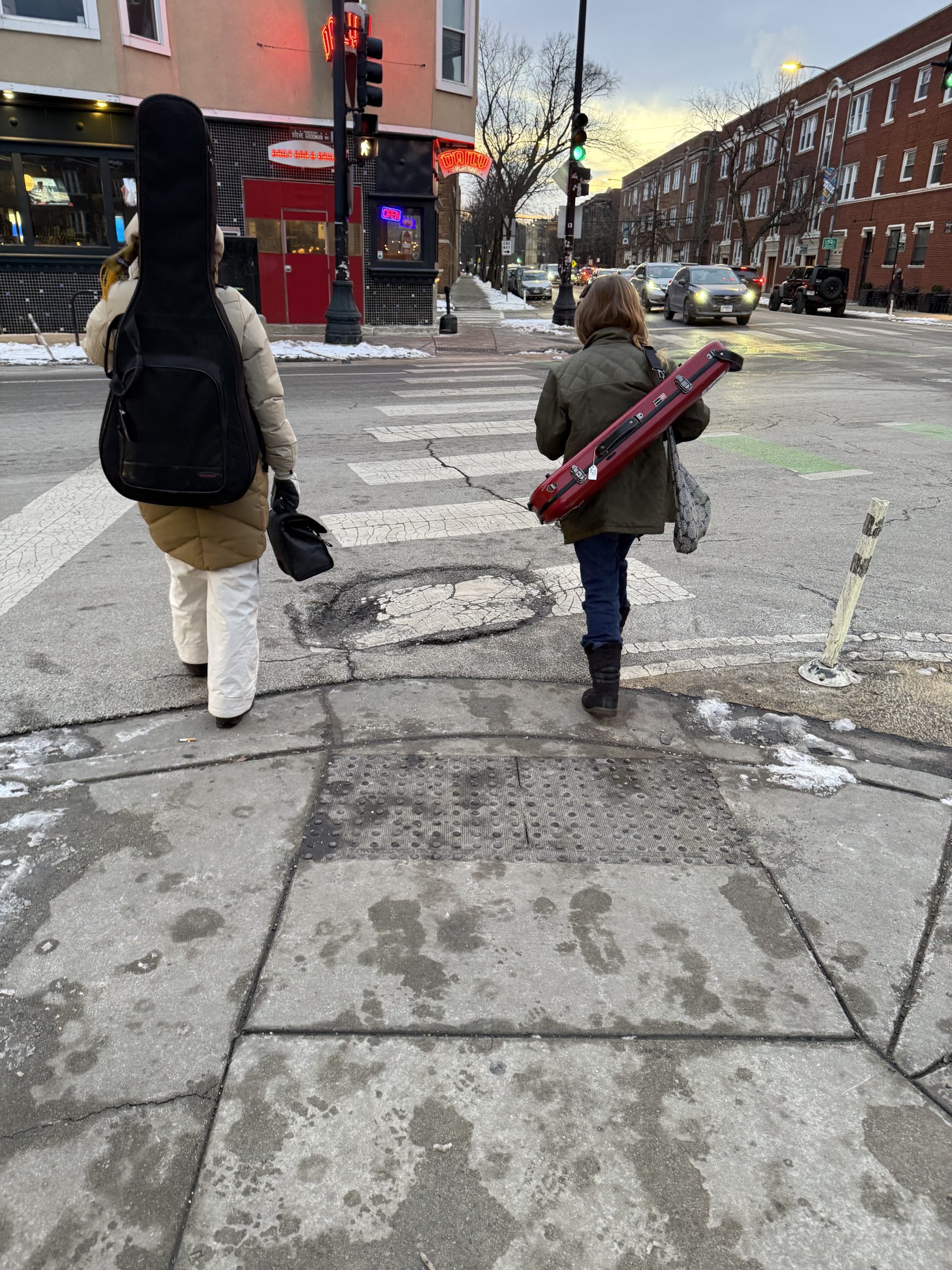
For many Chicago families, walking or biking to school is a daily routine that promotes exercise, independence, and community connection. Children enjoy seeing friends along the route, getting fresh air, and arriving at school energized. Unfortunately, the simple act of traveling to school can also expose students to significant traffic risks on Chicago streets.

Recent data highlights just how serious the problem can be. According to an analysis of Chicago Police Department crash reports, at least 2,860 Chicago pedestrians or cyclists between the ages of 1 and 19 have been struck by vehicles since 2021. These incidents represent thousands of children whose trips to school, parks, or neighborhood activities ended in injury.

IMG_7996-225x300IMG_0007-225x300
By Zneimer & Zneimer P.C. – Chicago Personal Injury Lawyers

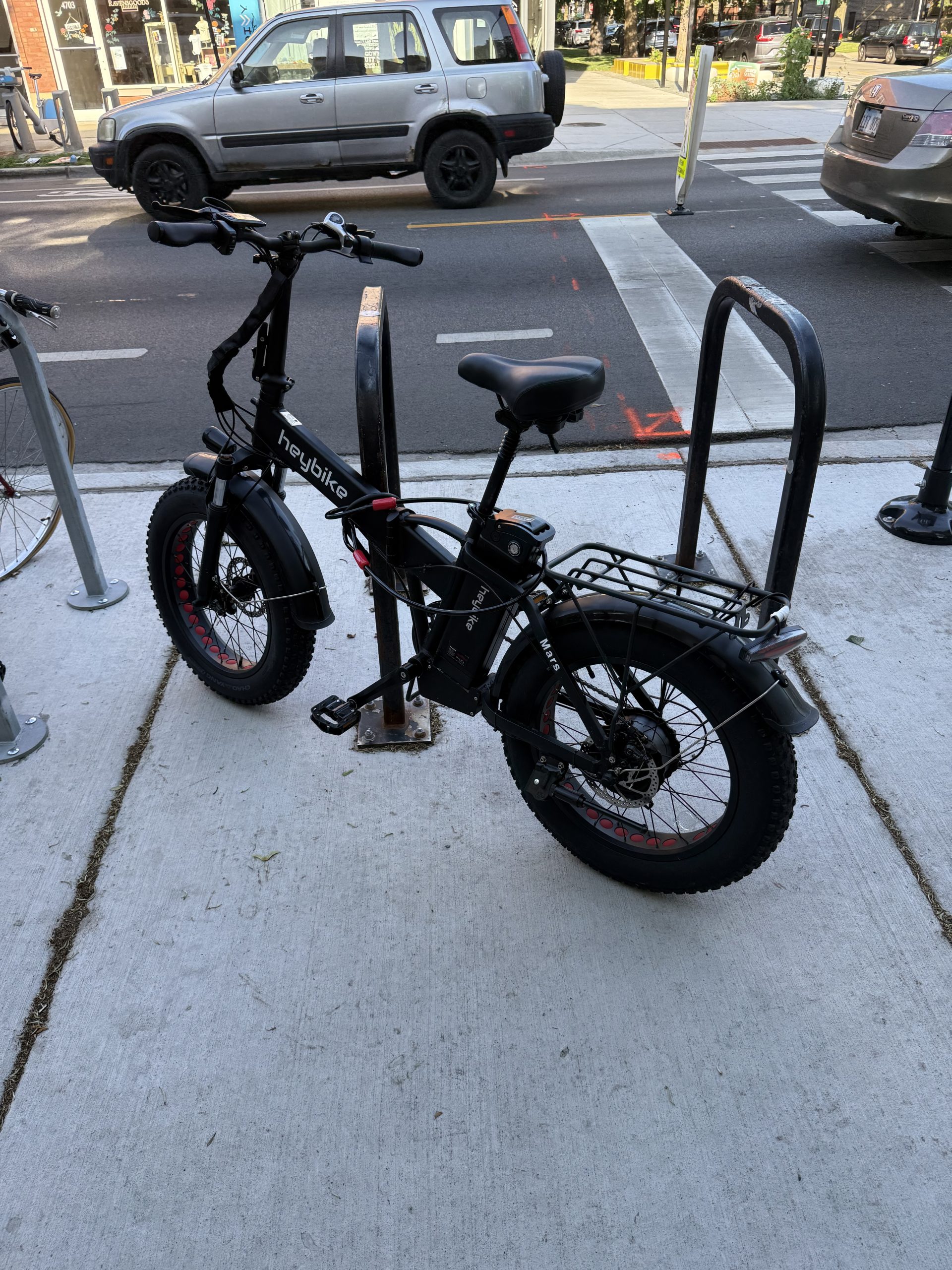
Electric bikes and scooters have rapidly reshaped transportation across Illinois. What began as pedal-assist bicycles traveling 15–20 mph has evolved into a new generation of high-powered electric devices capable of 40–50 mph speeds — often operated without licensing, insurance, or clear regulatory oversight.

Electric bikes are ubiquitous nowadays on the streets of Chicago. What began as pedal-assist bicycles traveling 15–20 mph has evolved into a new generation of high-powered electric devices capable of 40–50 mph speeds, often operated without licensing, insurance, or clear regulatory oversight. The question becomes where exactly e-bikes are supposed to be driven. Should people be riding their e-bikes 30 miles per hour in bike lanes and on the lake bike trails? When a bike reaches that speed shouldn’t they even be treated more like a motorcycle and less like a bike? What ages should be allowed to ride e-bikes that can achieve high speeds? How safe is it to have high speed bikes on trails and lanes meant for pedal bikes? These are questions that our city and state lawmakers have left unanswered.

Chicago is once again debating how to balance traffic safety with everyday commercial reality. A recently advanced ordinance, championed by Ald. Daniel La Spata and approved by the City Council’s Committee on Pedestrian and Traffic Safety, would expand enforcement against vehicles that block bike lanes, bus lanes, and crosswalks.

The proposal would allow residents to submit photos and videos of illegally parked vehicles through 311, with enforcement aides dispatched to investigate and issue citations. Early phases would reportedly focus on commercial vehicles, with the goal of improving compliance and safety.

The personal injury lawyers of  Zneimer & Zneimer, P.C., see firsthand how obstructed lanes and poorly managed street design contribute to serious injuries. But we also understand the practical tensions this ordinance raises.

IMG_2194-225x300IMG_2222-225x300
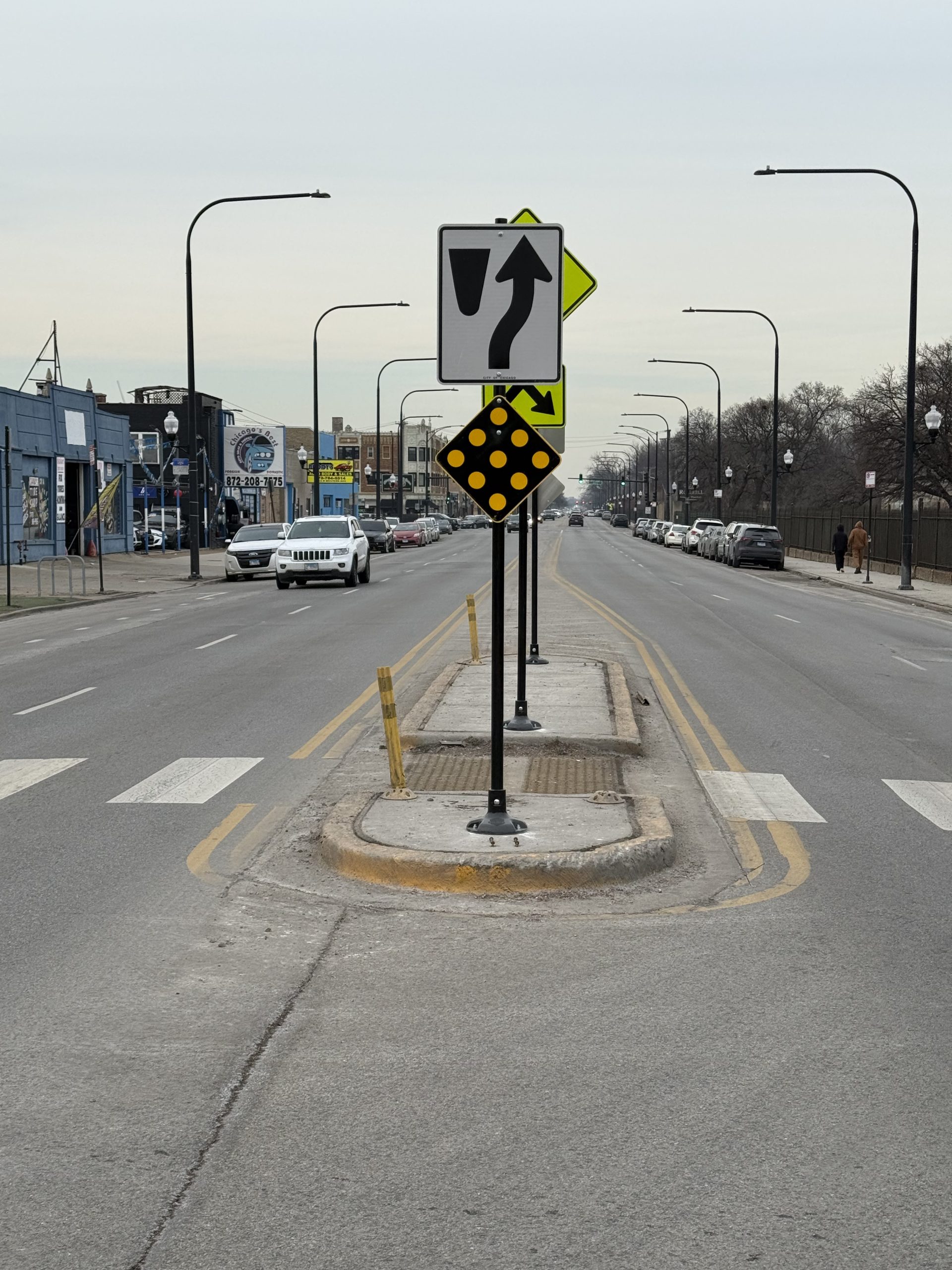
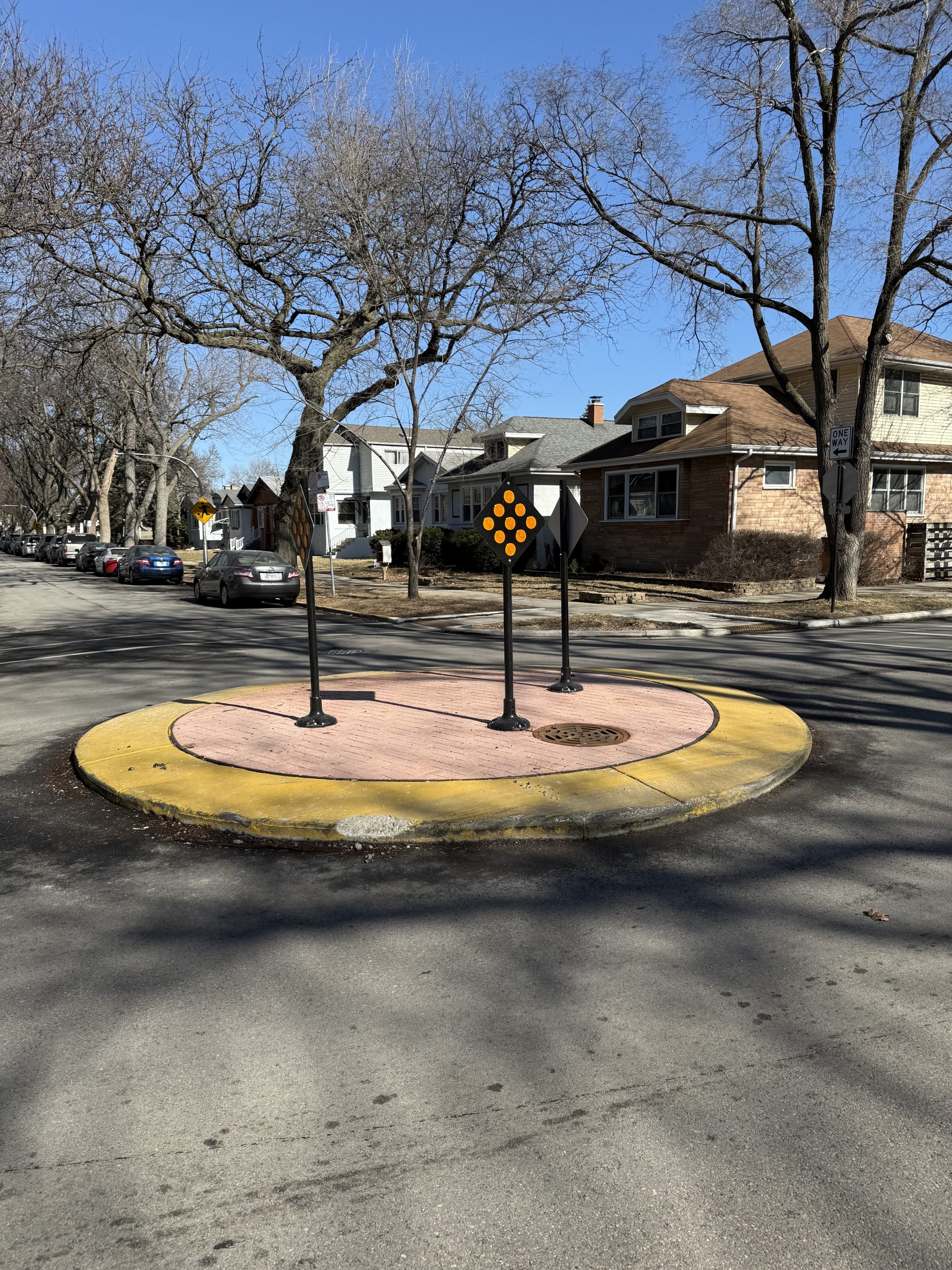
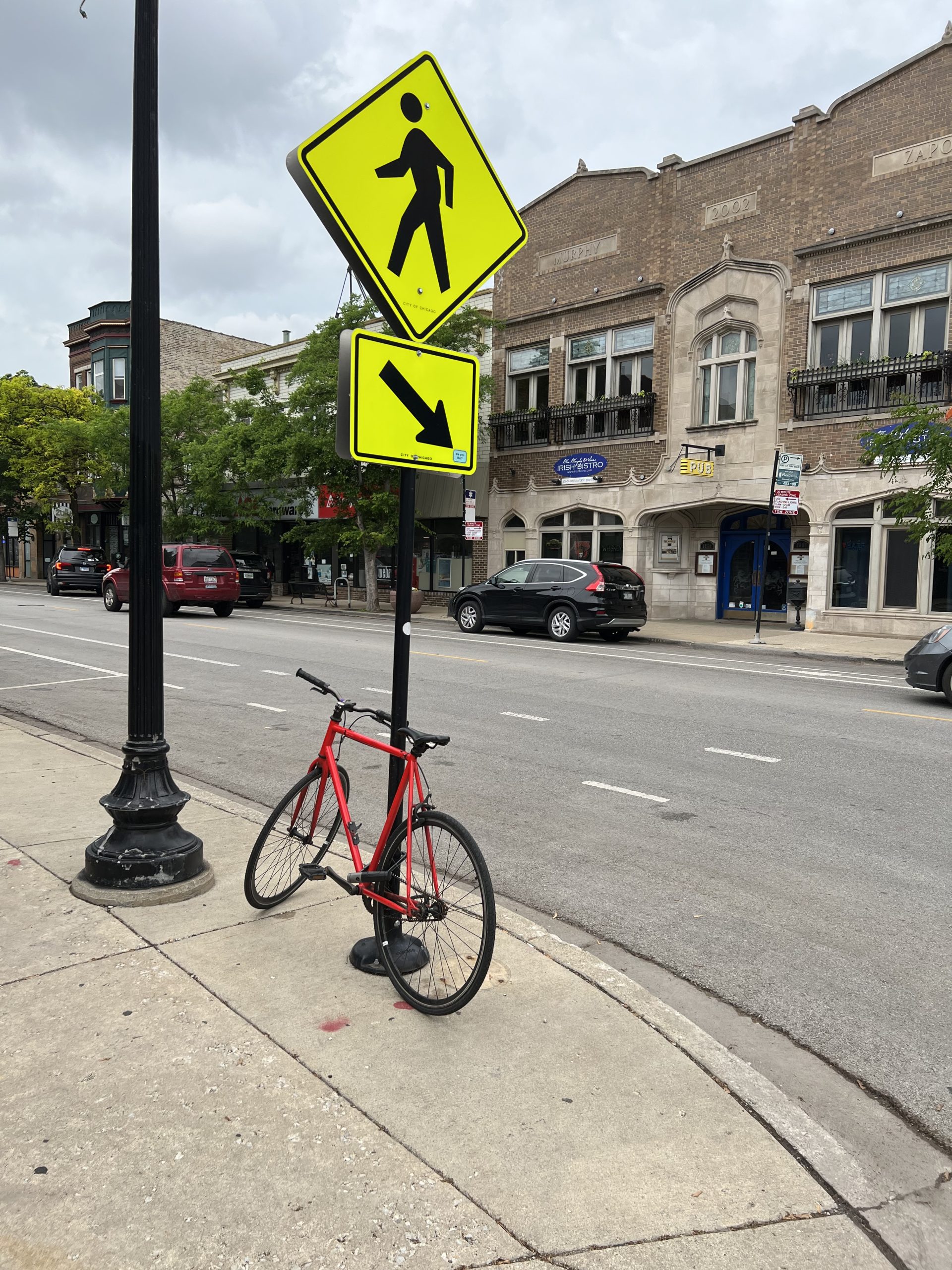
Across Chicago city planners have installed concrete bump-outs, pedestrian refuge islands, and protected bike lanes in the name of safety and traffic calming. While these features are designed to reduce pedestrian injuries and slow traffic, they can also pose serious dangers to motorists, especially when they are poorly marked, poorly lit, or difficult to see, especially  at night.  At night during a rain storm or snow storm with the glare of on coming traffic, they are remarkably easy to hit. I know from first hand experience since I hit the pedestrian island pictured above on the left at night during a rainstorm causing over $800 of damage to my car.  The only difference being that when I hit it, the pedestrian island had no signage. The signage has been added  recently probably as a result of complaints by drivers who rammed it.

The personal injury lawyers of Zneimer & Zneimer, P.C., have seen firsthand how these roadway designs can contribute to crashes resulting in severe vehicle damage and significant personal injuries.

This article we discuss the risks of bump outs and and what can be done to alleviate the risk.

IMG_6111-225x300IMG_0071-225x300
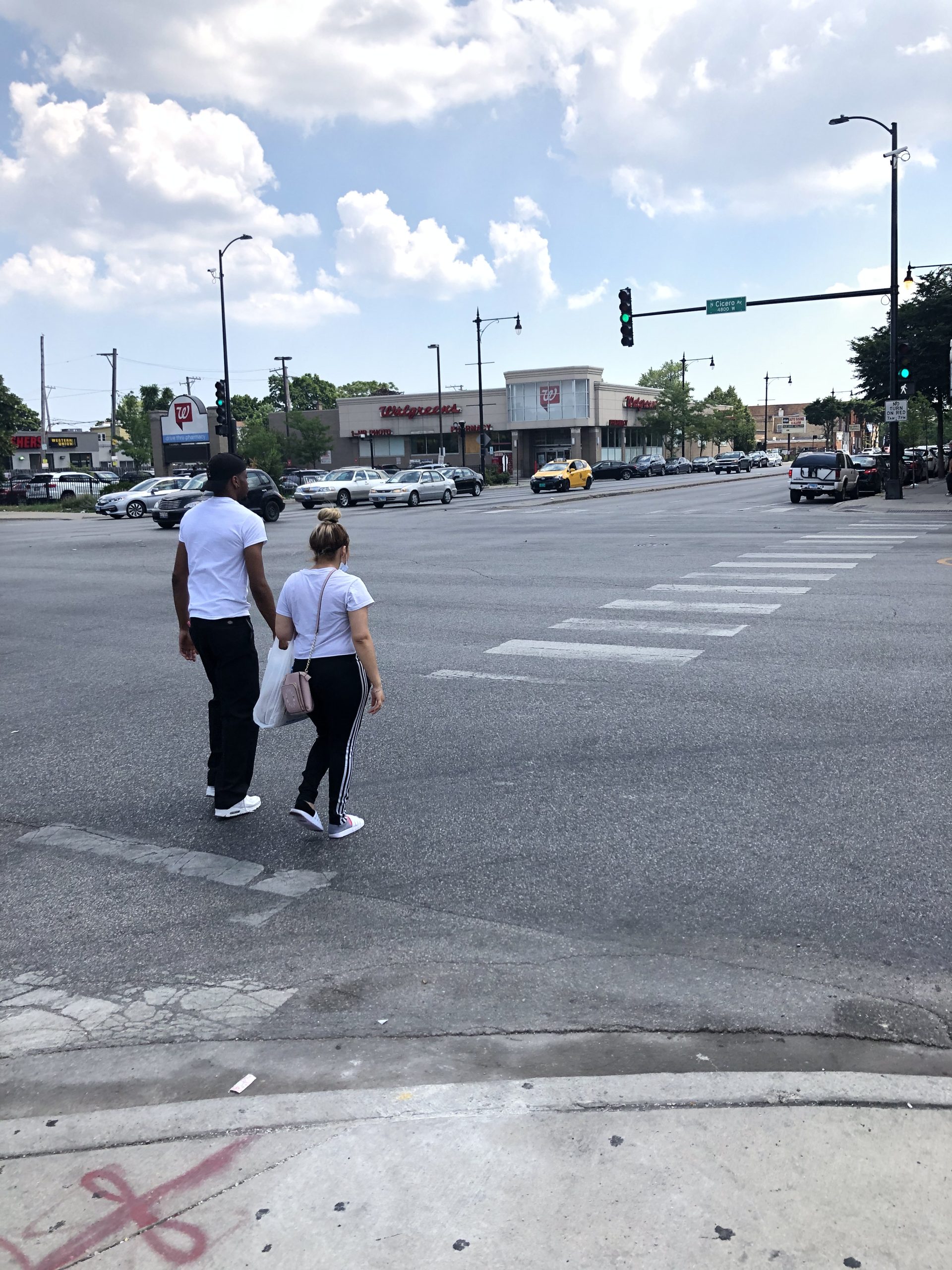
La ciudad de Chicago ha realizado un esfuerzo concertado en los últimos años para hacer más seguro el cruce de calles para los peatones. La ciudad ha añadido extensiones de acera en los cruces peatonales, más señalización, ha pintado franjas tipo “cebra” en la calle y, en algunos casos, ha instalado luces intermitentes. Los abogados de lesiones personales de Chicago de Zneimer & Zneimer, P.C. señalan que aún queda mucho por hacer. Este artículo enumera los obstáculos que todavía existen para que las calles sean más seguras para los peatones.

Muchos conductores simplemente no se detienen en los cruces peatonales

Probablemente todos en Chicago han experimentado estar de pie en un cruce esperando para cruzar mientras autos y camiones pasan a toda velocidad sin siquiera reducir la velocidad. Uno puede aventurarse al tráfico si es lo suficientemente valiente —o imprudente— como para dar por sentado que los vehículos se detendrán, pero esto no es recomendable. Algunos conductores están distraídos. Otros son impacientes. Algunos creen erróneamente que los peatones siempre deben esperar.

IMG_1829-225x300IMG_1831-225x300
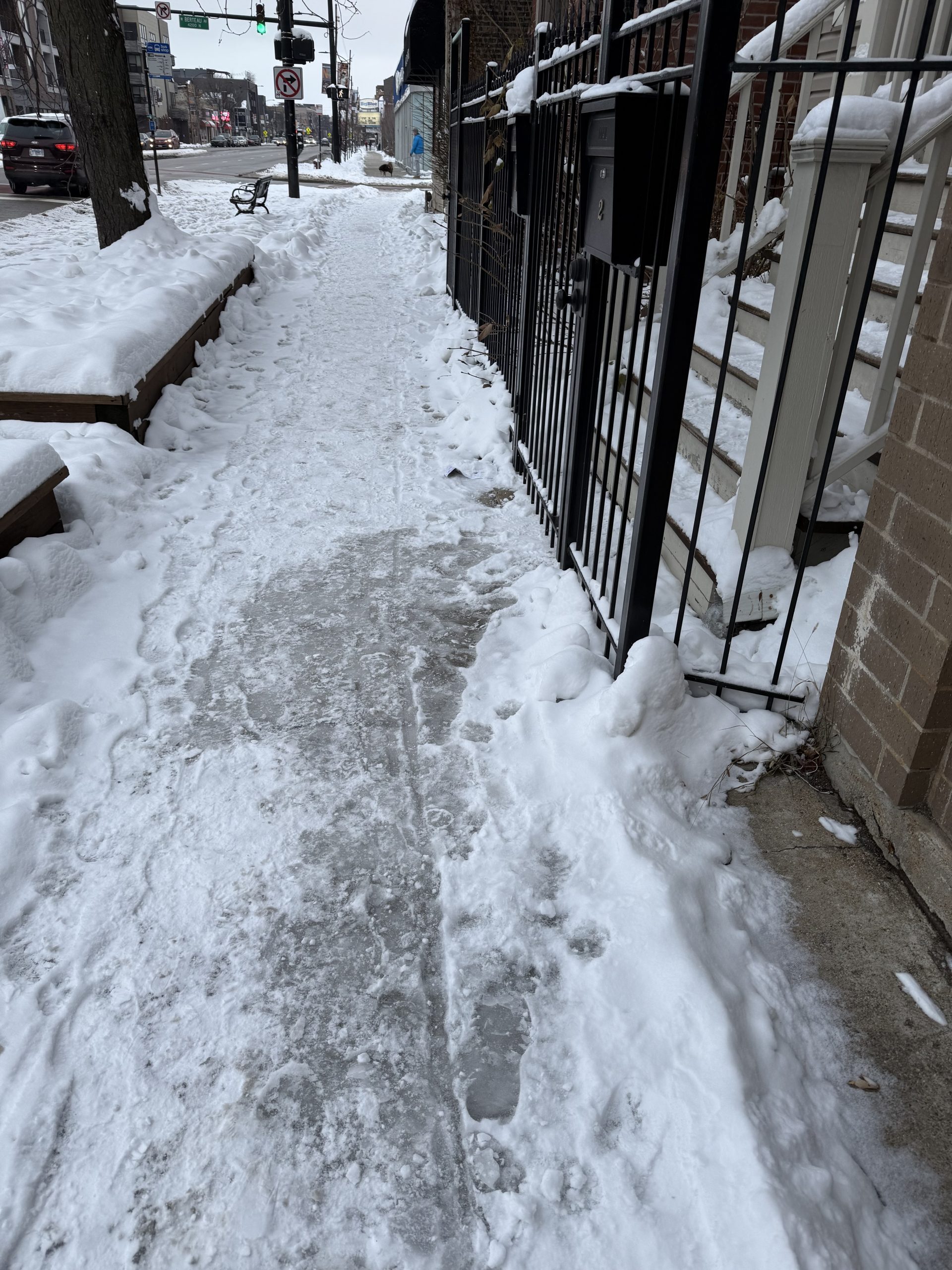
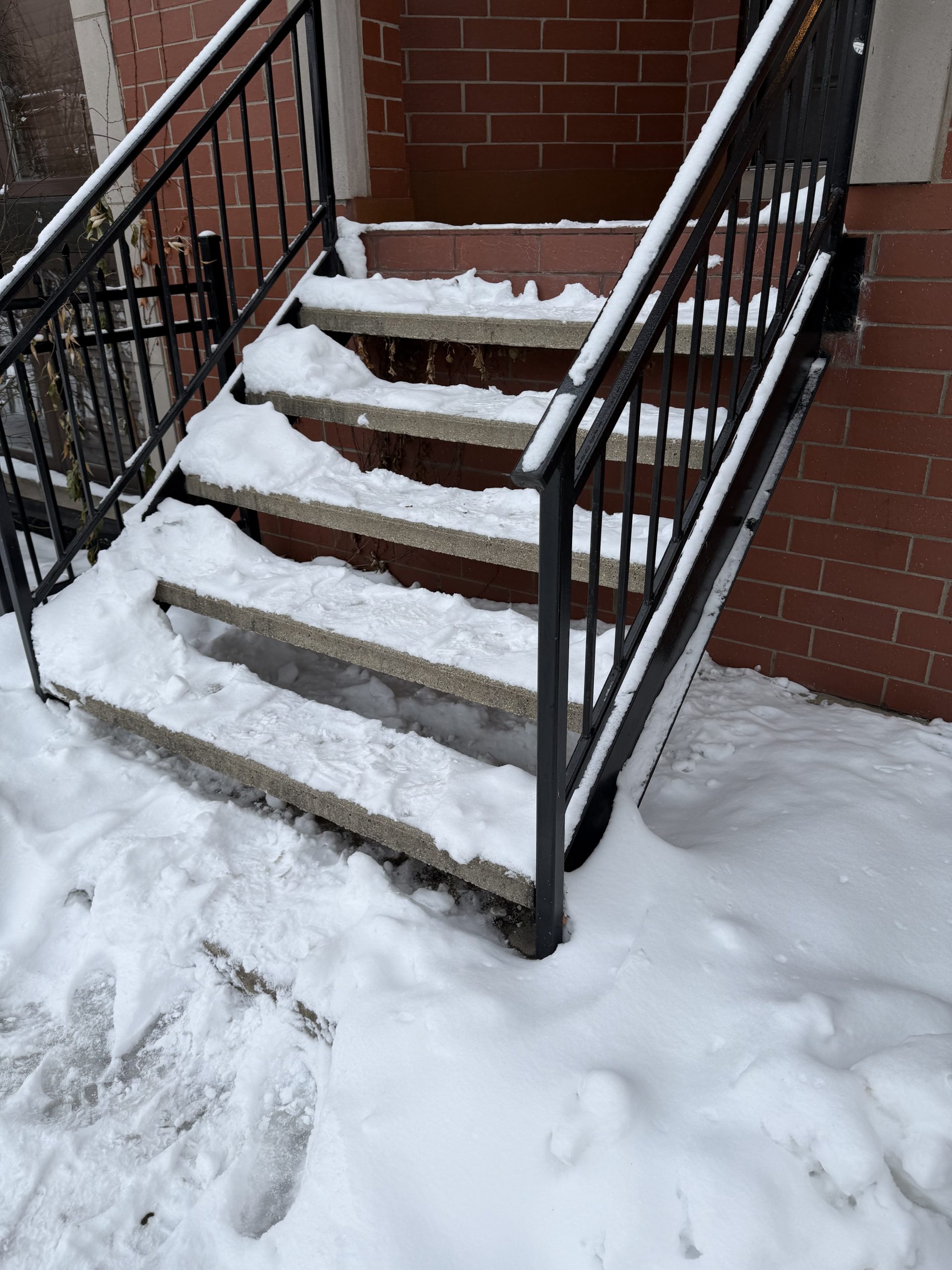
Chicago winters are notorious for snow and ice and with them comes a sharp rise in slip-and-fall injuries. While many people assume that any fall on ice automatically creates a lawsuit, Illinois law draws important distinctions about who may be liable, where the fall occurred, and whether the accumulation was “natural” or “unnatural.”  It is important to consult with an experienced lawyer to determine if you have a case. The Chicago slip & fall attorneys Zneimer & Zneimer P.C. have handled many slip & fall cases and we are thoroughly familiar with the current  law.

Understanding these distinctions is critical if you were injured in a winter slip-and-fall.

The General Rule in Illinois: No Automatic Liability for Snow and Ice

IMG_1839-225x300IMG_1872-225x300
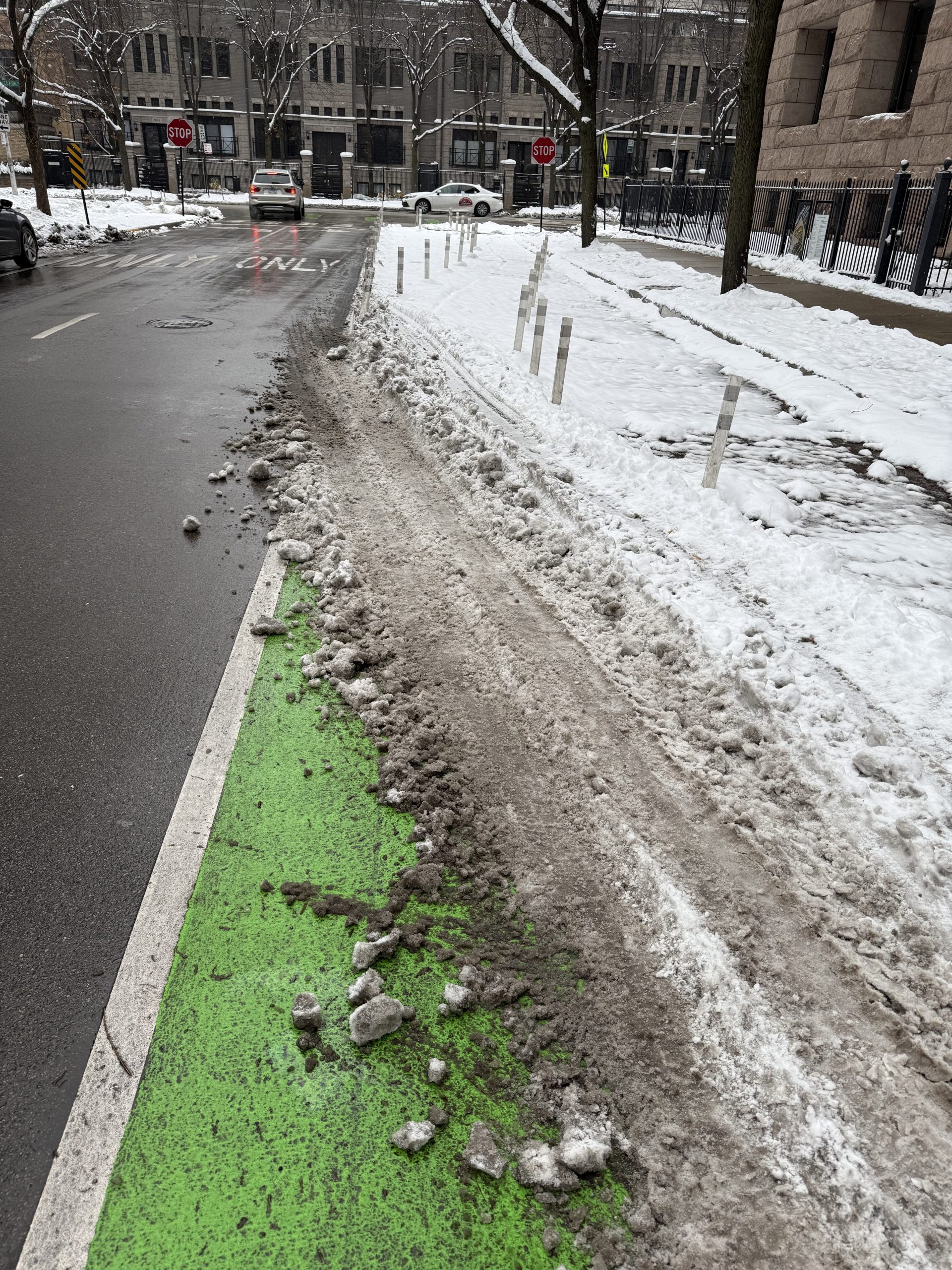
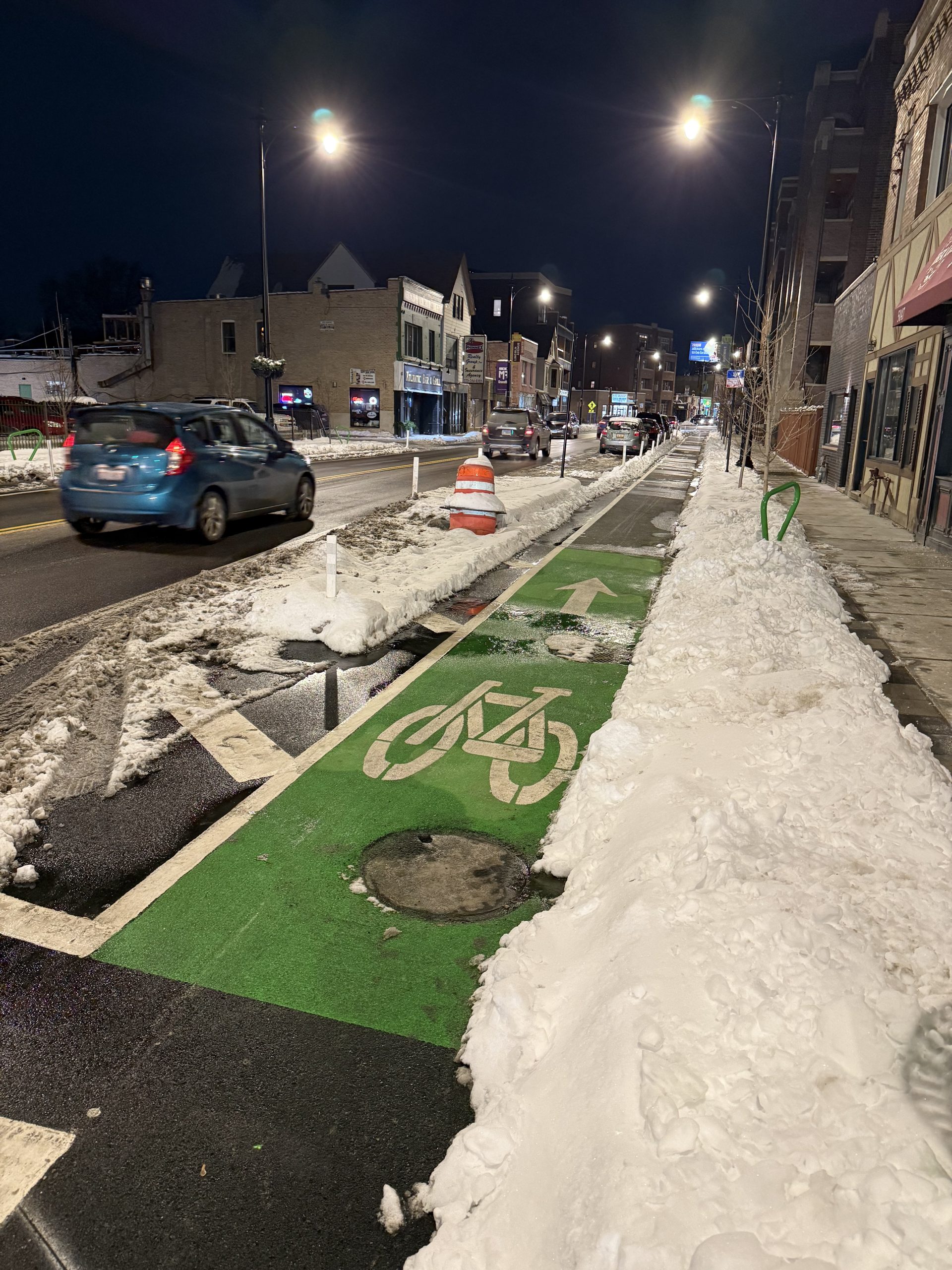
Chicago has made major investments in bike lanes—especially protected lanes designed to separate cyclists from vehicle traffic. These projects aim to reduce crashes, improve safety, and encourage alternative transportation. But as winter sets in, a serious question remains:

If Chicago expects people to keep biking in winter, are the bike lanes being kept safe enough to actually use?

At Zneimer & Zneimer, P.C., we represent injured cyclists and drivers alike. Winter biking highlights a growing conflict between safety, infrastructure, and real-world conditions on Chicago streets.

IMG_1781-225x300IMG_1776-225x300
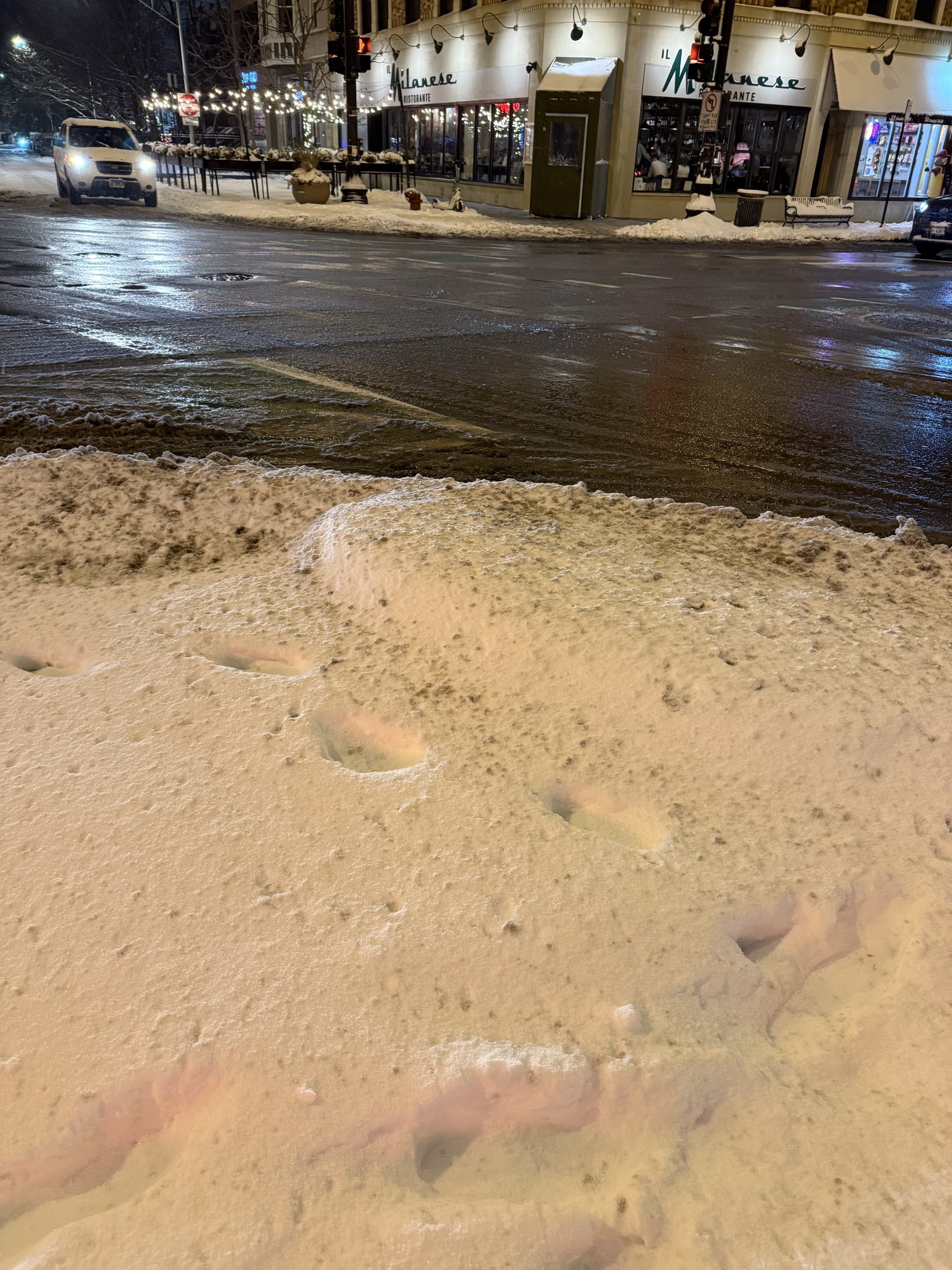
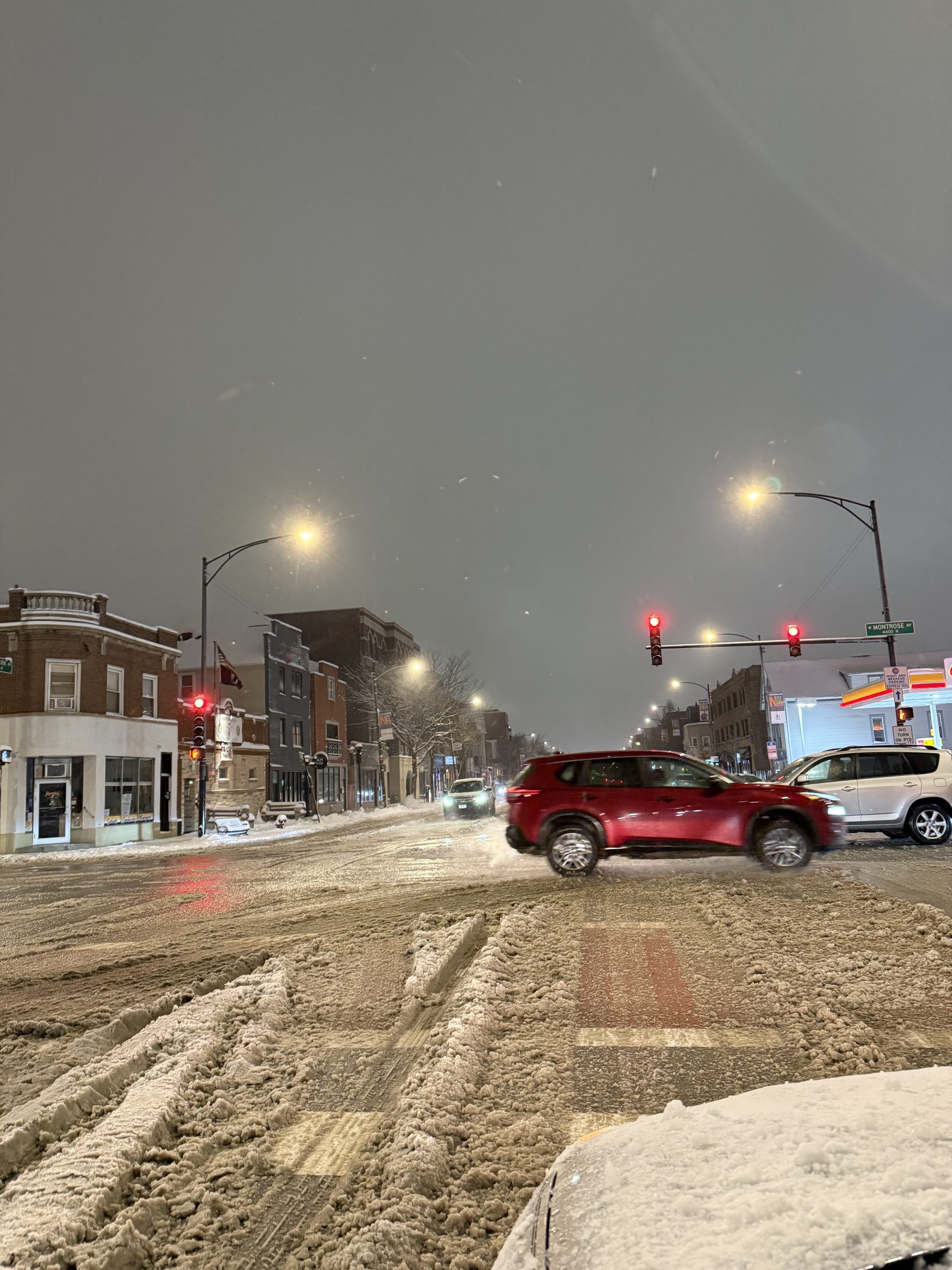
Chicago winters have a way of turning the familiar into the unpredictable. Streets you’ve driven for years suddenly feel unfamiliar beneath fresh snow, visibility narrows to a frosted tunnel, and road conditions shift hour by hour.   The personal injury lawyers of  Zneimer & Zneimer P.C.,  see firsthand how winter weather contributes to serious crashes—and this year, Chicago drivers face new roadway hazards that deserve special attention.

Below, we break down the risks, including a new and unexpected one created by recent roadway redesigns.

  1. New This Winter: Hidden Bump-Outs and Raised Medians
Contact Information