 Chicago Accident Lawyer Blog


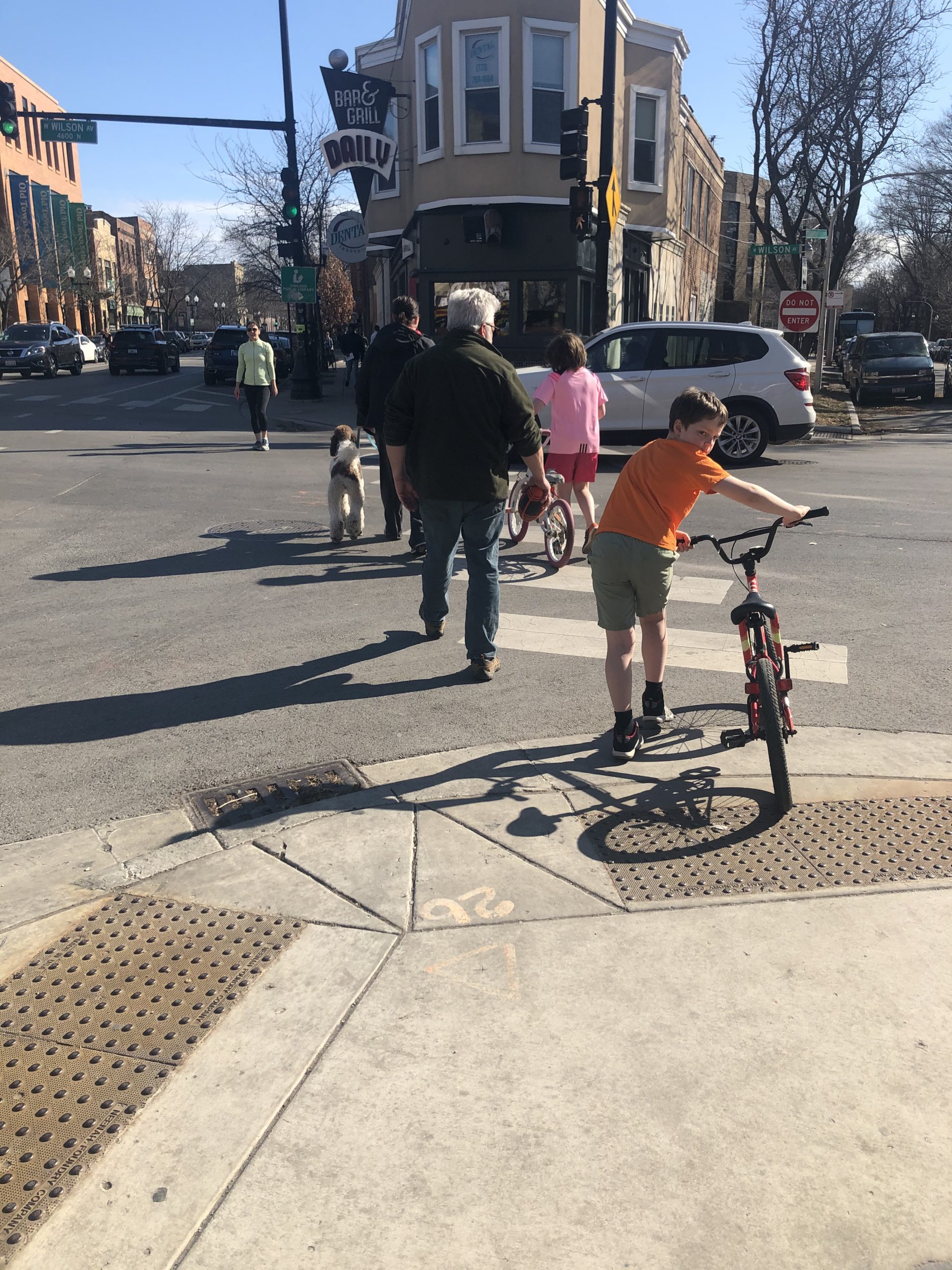
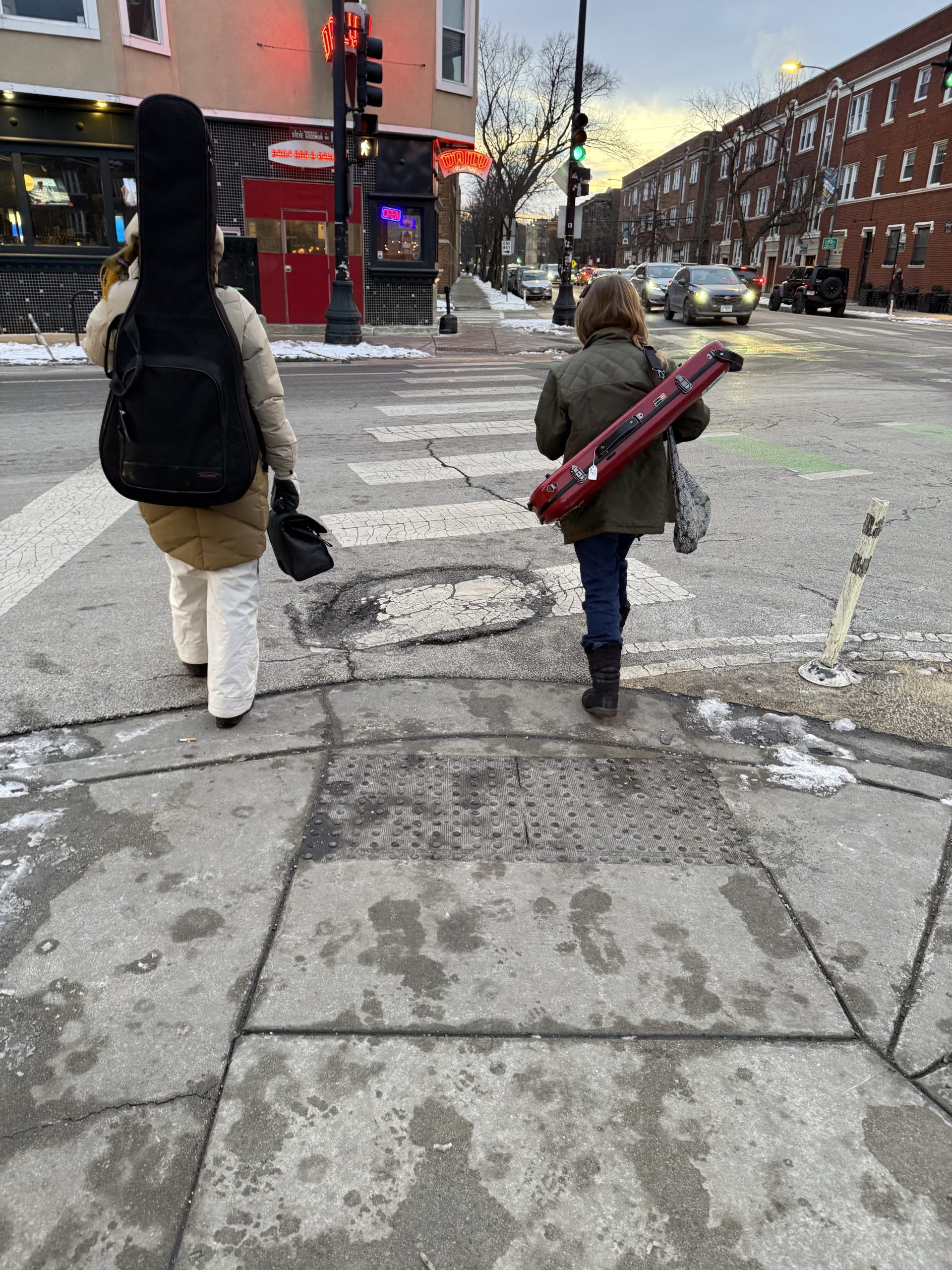
The city of Chicago has made a concerted effort in recent year to make it safer for pedestrians to cross the street. The City has added pedestrian bump outs at crosswalks, more signage, painted zebras across the street and in some cases flashing lights. The Chicago personal injury lawyers of Zneimer & Zneimer, P.C. note that more work needs to be done. This article lists the hurdles that still remain in making the streets safer for pedestrians.
Many drivers simply do not stop at crosswalks.
Everyone in Chicago has probably experienced standing at a crosswalk waiting to cross as cars and trucks zoom past without even slowing down. One can venture out into traffic if one is brave or foolish enough to take for granted that the traffic will stop but this is not recommended. Some drivers are distracted. Others are impatient. Some mistakenly believe pedestrians must always wait.
Whatever the reason, failure to yield is not just discourteous, it is illegal.
Under the Illinois Vehicle Code § 11-1002 and the Chicago Municipal Code § 9-60-020, drivers are required to stop for pedestrians within crosswalks when traffic signals are absent.
When a Driver Does Stop: The “Second Lane” Trap
Ironically, one of the most dangerous moments for a pedestrian occurs when a driver actually does the right thing.
Here is the scenario we see far too often:
- You step into a marked crosswalk.
- One driver stops and waves you through.
- A vehicle in the next lane continues moving because the stopped car blocks the driver’s view and blocks your view of them.
By the time either of you realize what is happening, it may already be too late.
Illinois law specifically prohibits drivers from overtaking and passing a vehicle stopped at a crosswalk to permit a pedestrian to cross. See Illinois Vehicle Code § 11-1002.
This type of crash is entirely foreseeable which is exactly why the law addresses it.
👉 Pedestrian takeaway: Never assume all lanes are stopping just because one driver does.
Turning Vehicles: When the Driver Is Looking Somewhere Else
Intersections are especially dangerous because drivers divide their attention.
A driver preparing to turn may be focused on:
- Oncoming traffic
- Finding a gap to merge
- Beating a yellow light
- Navigating around cyclists or parked cars
Too often, the crosswalk becomes an afterthought.
Highest-risk situations include:
- Right turns on red (drivers usually look left, away from pedestrians)
- Left turns through busy intersections where drivers are more focused on other cars.
- Rolling stops at stop signs
- Large SUVs, vans, and delivery trucks with significant blind spots
Never assume a driver sees you simply because you have the right-of-way.
Eye contact helps — but watching the vehicle itself is safer.
Nighttime Crossings: Risk Increases After Dark
A significant percentage of serious pedestrian crashes occur at night, when visibility drops and reaction time shrinks.
Common contributing factors include:
- Reduced visibility
- Headlight glare
- Rain or reflective pavement
- Dark clothing
- Driver fatigue or impairment
Even attentive drivers need more distance to recognize and react to a pedestrian after sunset.
Smart precautions:
- Wear reflective materials when possible
- Avoid stepping into traffic from between parked cars
- Give yourself an extra moment to confirm vehicles are stopping
Think of nighttime walking as defensive driving on foot.
What the Law Requires Drivers to Do
Illinois Law
The Illinois Vehicle Code § 11-1002 requires drivers to stop and yield to pedestrians in crosswalks when signals are not present. It also forbids passing a vehicle stopped for a pedestrian.
Chicago Ordinance
The Chicago Municipal Code § 9-60-020 similarly mandates that motorists yield the right-of-way to pedestrians lawfully within a crosswalk.
These protections exist for a simple reason: pedestrians are vulnerable. When a vehicle strikes a person, the person almost always loses.
Pedestrian Duties Matter Too — And Insurance Companies Know It
After a crash, insurance carriers often look for ways to shift blame.
Under Illinois Vehicle Code § 11-1003, pedestrians crossing outside a marked or unmarked crosswalk must yield to vehicles.
This does not excuse negligent driving — but it frequently becomes part of the legal argument.
Best practice:
Cross where drivers expect you. Stay visible. Never assume a motorist will obey the law.
Injured in a Chicago Crosswalk? Know Your Rights.
Pedestrian crashes are rarely unavoidable “accidents.” Most stem from preventable behaviors such as:
- Failure to yield
- Passing a stopped vehicle
- Distracted driving
- Speeding
- Rolling through turns
If you or a loved one has been struck by a vehicle, the Chicago personal injury attorneys at Zneimer & Zneimer P.C. can help evaluate what happened and explain how Illinois and Chicago right-of-way laws apply.
Understanding your rights is the first step toward protecting them.