 Chicago Accident Lawyer Blog


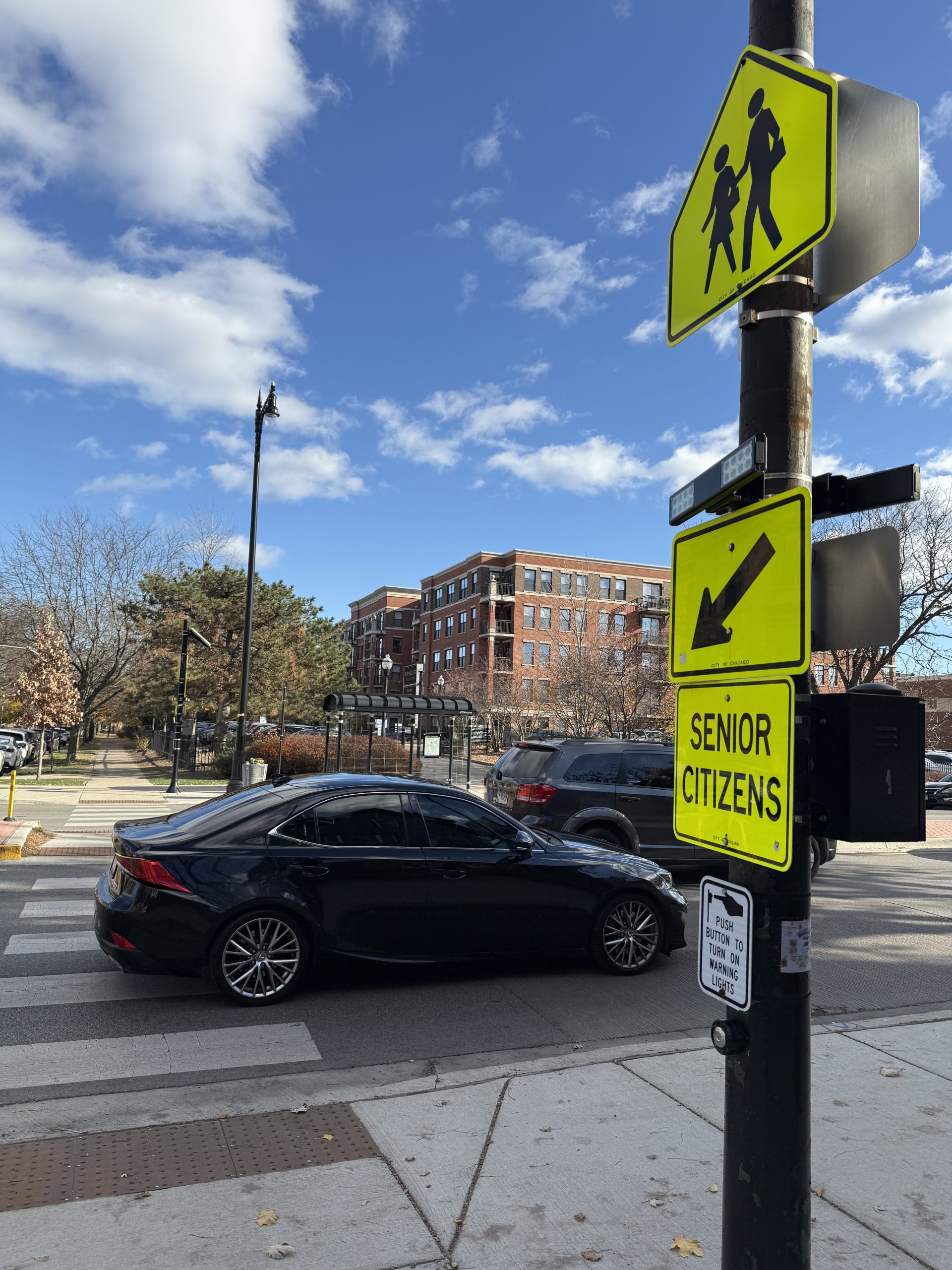
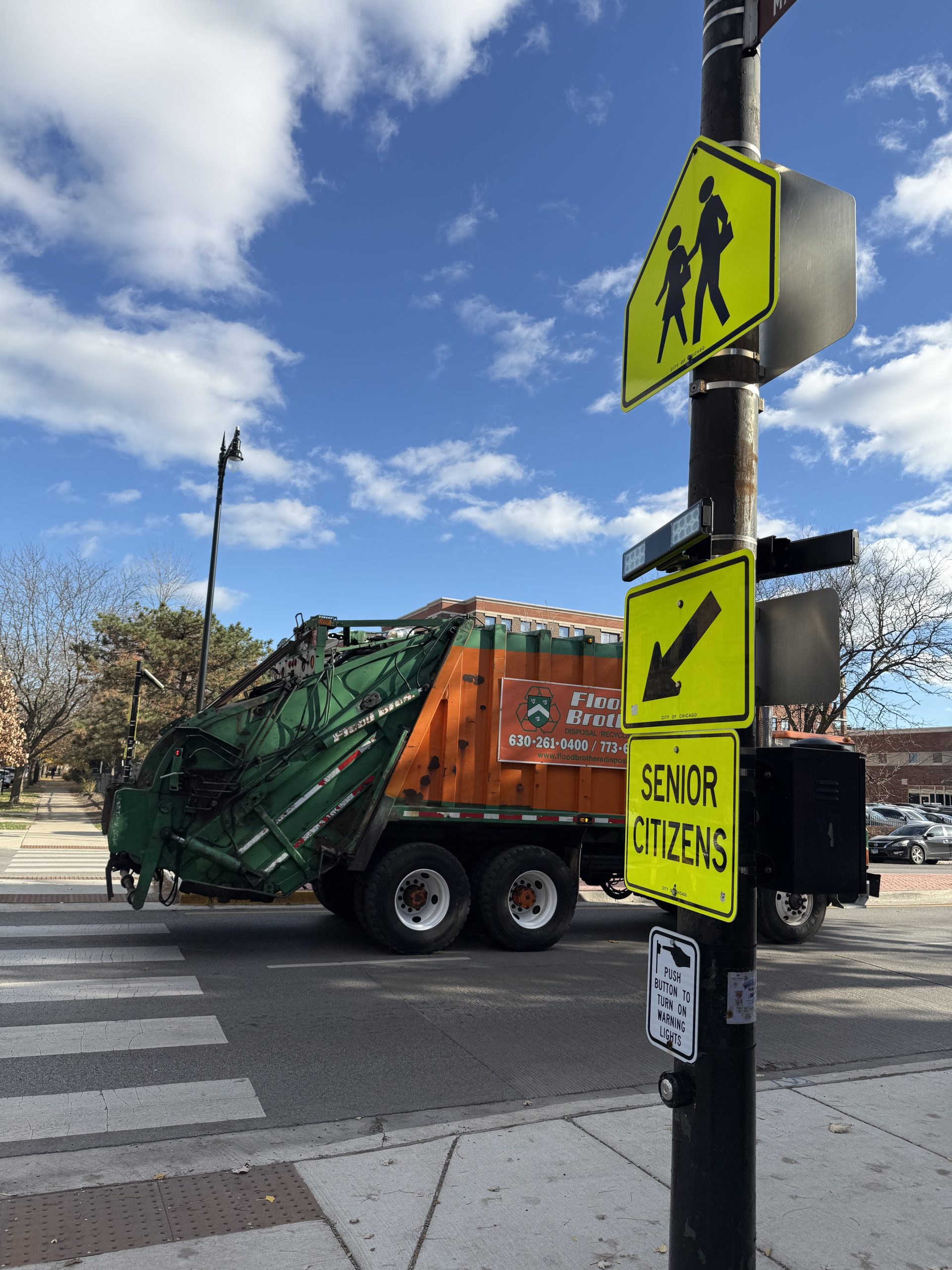
Chicago has made significant improvements to its pedestrian crosswalks in recent years. But a dangerous problem remains: Pedestrians are increasingly expecting drivers to stop, while some motorists are still driving as though pedestrians have no right to cross the street.
Throughout Chicago, pedestrian crosswalks have been upgraded with new warning signs, sidewalk bump-outs, more visible pavement markings, and, in some locations, flashing lights that pedestrians can activate before crossing the street.
These improvements are intended to make crossing Chicago’s busy streets safer. And from what we have observed, they appear to be changing driver behavior. More motorists are stopping for pedestrians at marked crosswalks than in the past.
Unfortunately, not every driver has gotten the message.
A Dangerous Encounter at a Chicago Crosswalk
Just yesterday, one of our attorneys at Zneimer & Zneimer, P.C. personally witnessed an incident that illustrates the problem.
A young man approached a Chicago crosswalk equipped with pedestrian-activated flashing warning lights. He pushed the button to activate the lights and immediately proceeded into the street, apparently assuming that approaching vehicles would stop.
He did not appear to look for oncoming traffic before stepping into the roadway.
Unfortunately, an approaching driver was apparently operating under the old assumption that cars do not stop for pedestrians at these crossings. The driver slammed on his brakes, but not before the pedestrian ended up on the hood of the vehicle.
Fortunately, the young man was not injured.
The incident could easily have ended much differently. A vehicle traveling just a little faster, a driver reacting a fraction of a second later, or a pedestrian falling onto the pavement could have resulted in serious injuries or even death.
What we witnessed highlights a growing danger on Chicago streets: Pedestrians and motorists are sometimes operating under two very different sets of expectations.
Chicago’s Crosswalk Improvements Are Changing Pedestrian Expectations
Chicago has been working to make its streets more pedestrian-friendly. Many crosswalks now feature:
- Pedestrian warning signs: Signs intended to remind motorists to watch for people crossing the street.
- Sidewalk bump-outs: Extensions of the sidewalk into the roadway that shorten crossing distances, improve visibility, and can encourage drivers to slow down.
- Flashing pedestrian warning lights: Button-activated lights that alert approaching drivers to the presence of pedestrians.
- High-visibility crosswalk markings: More prominent pavement markings intended to make crosswalks easier for drivers to recognize.
- Pedestrian refuge islands: Designated areas that allow pedestrians to cross busy streets in stages.
These improvements are welcome. Chicago should continue making its streets safer for people walking to work, shopping, visiting neighborhood businesses, or simply enjoying the city.
But there may be an unintended consequence to these improvements.
As more drivers begin stopping for pedestrians, some pedestrians may develop a false sense of security.
A pedestrian who regularly sees cars stop at a flashing crosswalk may begin to assume that every driver will stop. Unfortunately, that assumption can be dangerous.
Some Chicago Drivers Are Still Following the “Old Rules”
For many years, Chicago had a reputation as a city where pedestrians could not count on motorists stopping at crosswalks without traffic signals.
Although Illinois law requires drivers to stop and yield to pedestrians in crosswalks under specified circumstances, compliance has not always matched the law.
Under 625 ILCS 5/11-1002, drivers approaching an uncontrolled crosswalk must stop and yield to pedestrians who are crossing on the driver’s half of the roadway, or who are approaching so closely from the opposite half as to be in danger.
The law is clear. But changing longstanding driving habits takes time.
Some motorists continue to approach crosswalks without slowing down. Others may be distracted by their phones, looking for parking, watching other vehicles, or simply failing to recognize that a pedestrian is about to cross.
The presence of flashing lights does not guarantee that an approaching driver will react appropriately.
And while the law may give a pedestrian the right-of-way, being legally entitled to cross the street does not protect someone from being struck by a vehicle.
Pedestrians Have the Right-of-Way, But They Still Need to Look
Pedestrians should not have to risk their lives to cross a Chicago street. Drivers have a legal responsibility to watch for pedestrians and obey Illinois traffic laws.
Nevertheless, pedestrians should never assume that a vehicle is going to stop simply because they have activated a flashing warning light.
Before entering a crosswalk, pedestrians should look in both directions, evaluate approaching traffic, and make sure drivers are actually slowing down or stopping.
Even after one vehicle stops, pedestrians should remain alert for other motorists who may attempt to pass the stopped vehicle or who may fail to recognize the crossing.
The young man we witnessed was fortunate. His experience should serve as a warning that there is an important difference between having the right-of-way and knowing that it is safe to proceed.
Who Is Responsible When a Pedestrian Is Struck in a Chicago Crosswalk?
When a pedestrian is hit by a vehicle in a crosswalk, determining legal responsibility requires a careful investigation.
A driver may be negligent for failing to yield, driving too fast, being distracted, or failing to maintain a proper lookout.
At the same time, the circumstances surrounding the pedestrian’s actions may become relevant. Insurance companies frequently attempt to argue that pedestrians were distracted, entered the street unexpectedly, or failed to exercise reasonable care.
Illinois follows a modified comparative negligence system. An injured pedestrian may still recover damages even if partially responsible for an accident, provided the pedestrian’s fault does not exceed 50%. Any recovery is reduced by the pedestrian’s percentage of fault.
That is why it is important to investigate the facts carefully rather than simply accepting the driver’s or insurance company’s version of events.
Evidence may include surveillance video, witness statements, vehicle damage, skid marks, the visibility of the crosswalk, the operation of flashing warning lights, and the speed and conduct of the approaching driver.
Injured in a Chicago Crosswalk? Contact Zneimer & Zneimer, P.C.
The Chicago personal injury attorneys of Zneimer & Zneimer, P.C. represent pedestrians injured by negligent motorists.
Pedestrian accidents can result in devastating injuries, including broken bones, head injuries, spinal injuries, permanent disabilities, and even death.
Insurance companies may attempt to minimize these injuries or shift responsibility onto the pedestrian. An experienced Chicago pedestrian accident attorney understands how to investigate these collisions, evaluate the applicable traffic laws, preserve important evidence, and pursue compensation for injured clients.
Our attorneys have extensive experience handling personal injury claims involving pedestrians, bicyclists, motor vehicles, and dangerous roadway conditions throughout Chicago.
If you or a loved one has been injured while crossing a Chicago street, it is important to have experienced legal representation protecting your rights.
Contact Zneimer & Zneimer, P.C. for a free consultation. There is no attorney fee unless we recover compensation for you.
The Bottom Line
Chicago’s improved crosswalks are a positive development. More visible markings, bump-outs, warning signs, and flashing lights can help make our streets safer.
But physical improvements alone cannot eliminate dangerous driving habits.
Until every Chicago driver recognizes and respects the rights of pedestrians, people crossing our streets need to remain vigilant.
Pedestrians should expect drivers to follow the law. But they should never assume that every driver will.
Legal reference: 625 ILCS 5/11-1002 — Pedestrians’ Right-of-Way at Crosswalks
Zneimer & Zneimer, P.C. — Chicago Pedestrian Accident and Personal Injury Attorneys