 Chicago Accident Lawyer Blog


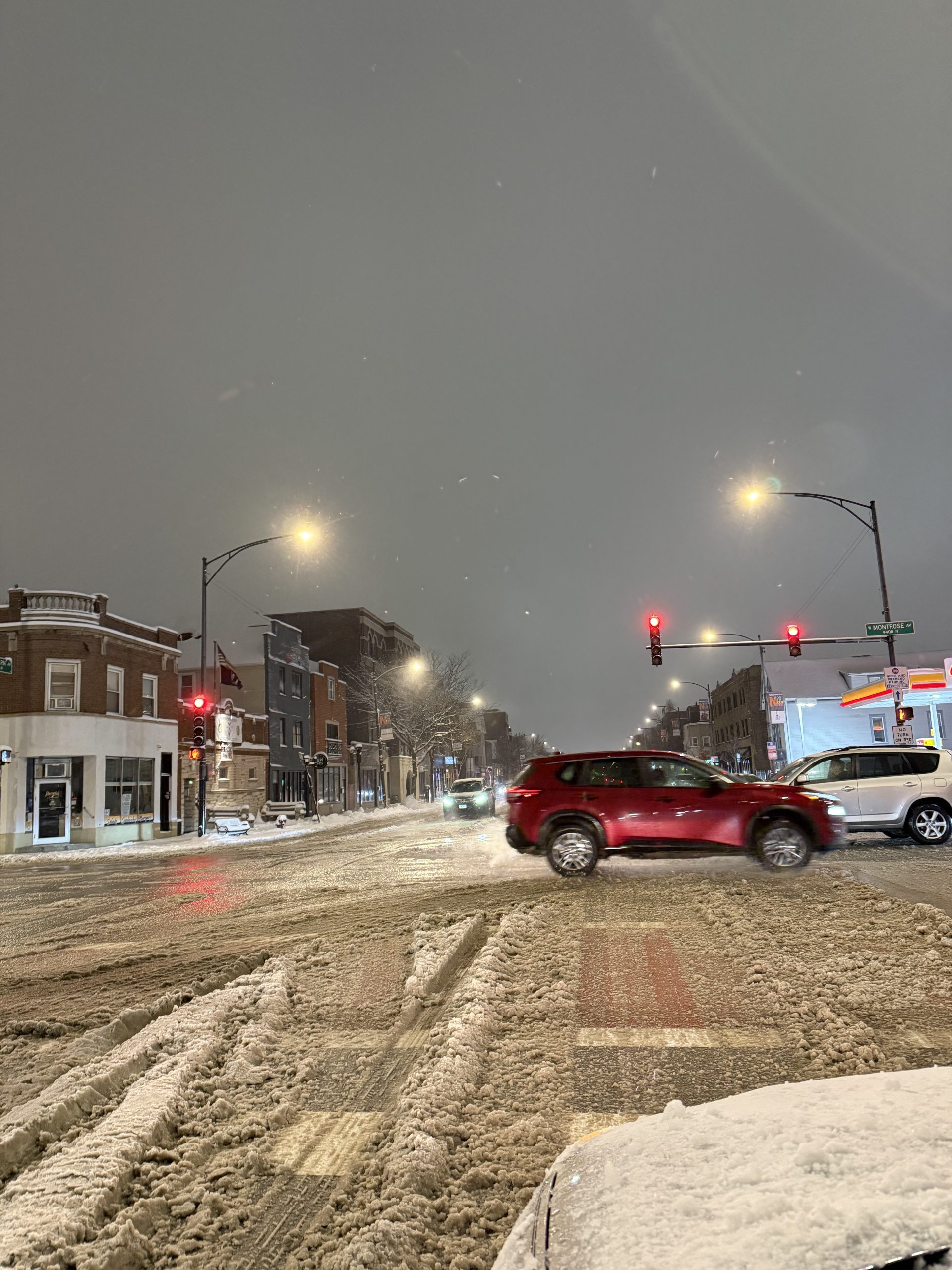
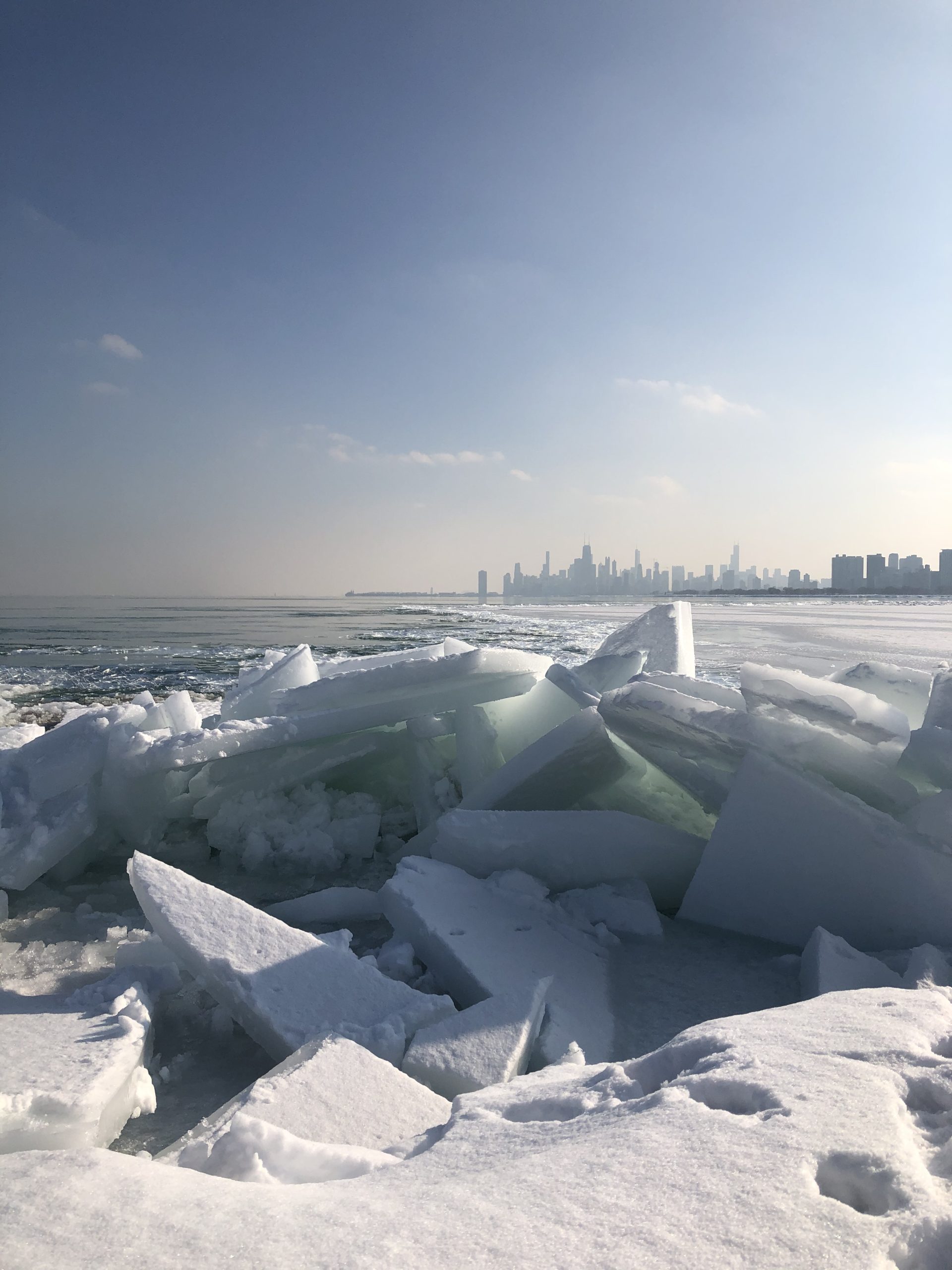
The polar vortex has arrived in Chicago. When temperatures plunge to around zero, driving conditions can become dangerous fast, even on roads that look clear. Extreme cold creates unique hazards that increase the risk of serious crashes, injuries, and multi-vehicle accidents across the city and surrounding suburbs.
The personal injury lawyers of Zneimer & Zneimer P.C. believe it is important to understand these risks to help prevent accidents and keep you safer during winter travel.
Why Extreme Cold Makes Driving More Dangerous
Cold weather affects more than just road surfaces. It impacts vehicles, visibility, reaction time, and even driver decision-making.
Common winter driving hazards in Chicago include:
❄️ Black Ice
One of the most dangerous winter hazards, black ice forms when moisture freezes on pavement and blends in visually with the road. Bridges, overpasses, shaded areas, and intersections are especially risky.
🚗 Reduced Tire Traction
Cold temperatures stiffen rubber, reducing tire grip—especially if tires are worn or under-inflated. Even all-wheel drive vehicles can slide on icy surfaces.
🔧 Mechanical Failures
Extreme cold can cause:
- Dead or weakened batteries
- Thickened engine oil
- Frozen fuel lines
- Brake system issues
A sudden breakdown on an icy roadway can quickly turn into a serious accident.
👀 Limited Visibility
Snow flurries, blowing ice crystals, fogged windshields, and shorter daylight hours all reduce visibility. Dirty headlights and windshields and frozen windshield washer fluid make matters worse. Additionally, roadways and roadway features like medians and bump-outs are covered in white salt film, making the features hard to distinguish from the roadway.
# # Roadway Features are Covered in Snow and Ice
Concrete medians, concrete pedestrian islands, protected bike lanes and bump-outs become difficult to see because they may be covered in snow and ice, especially at night. Hitting a concrete median at 20 to 30 miles per hour is very dangerous and will likely cause a tire blow-out along with front end damage.
Precautions Every Chicago Driver Should Take
While no one can control the weather, smart preparation dramatically reduces risk.
🛞 Prepare Your Vehicle
- Check tire tread and pressure regularly
- Replace weak batteries before winter hits
- Use winter-grade windshield washer fluid
- Keep gas tanks at least half full
🧊 Slow Down—More Than You Think
Posted speed limits don’t account for ice. Reducing speed is one of the most effective ways to avoid losing control.
↔️ Increase Following Distance
Leave at least 6–10 seconds between you and the vehicle ahead in icy conditions.
🛑 Brake and Accelerate Gently
Sudden movements cause skidding. Brake early and apply steady pressure. If your vehicle skids, steer gently in the direction you want the front of the car to go.
🌉 Be Extra Cautious on Bridges & Ramps
These surfaces freeze faster than regular roads—even when everything else looks safe.
🧰 Carry a Winter Emergency Kit
Include:
- Jumper cables
- Blanket and warm clothing
- Flashlight
- Phone charger
- Ice scraper and gloves
Stay safe during the big chill and if you have been involved in an accident in the cold the personal injury lawyers of Zneimer & Zneimer P.C. are here to help. Call for a free consultation.