 Chicago Accident Lawyer Blog


Zneimer & Zneimer, P.C. | Chicago Personal Injury Attorneys
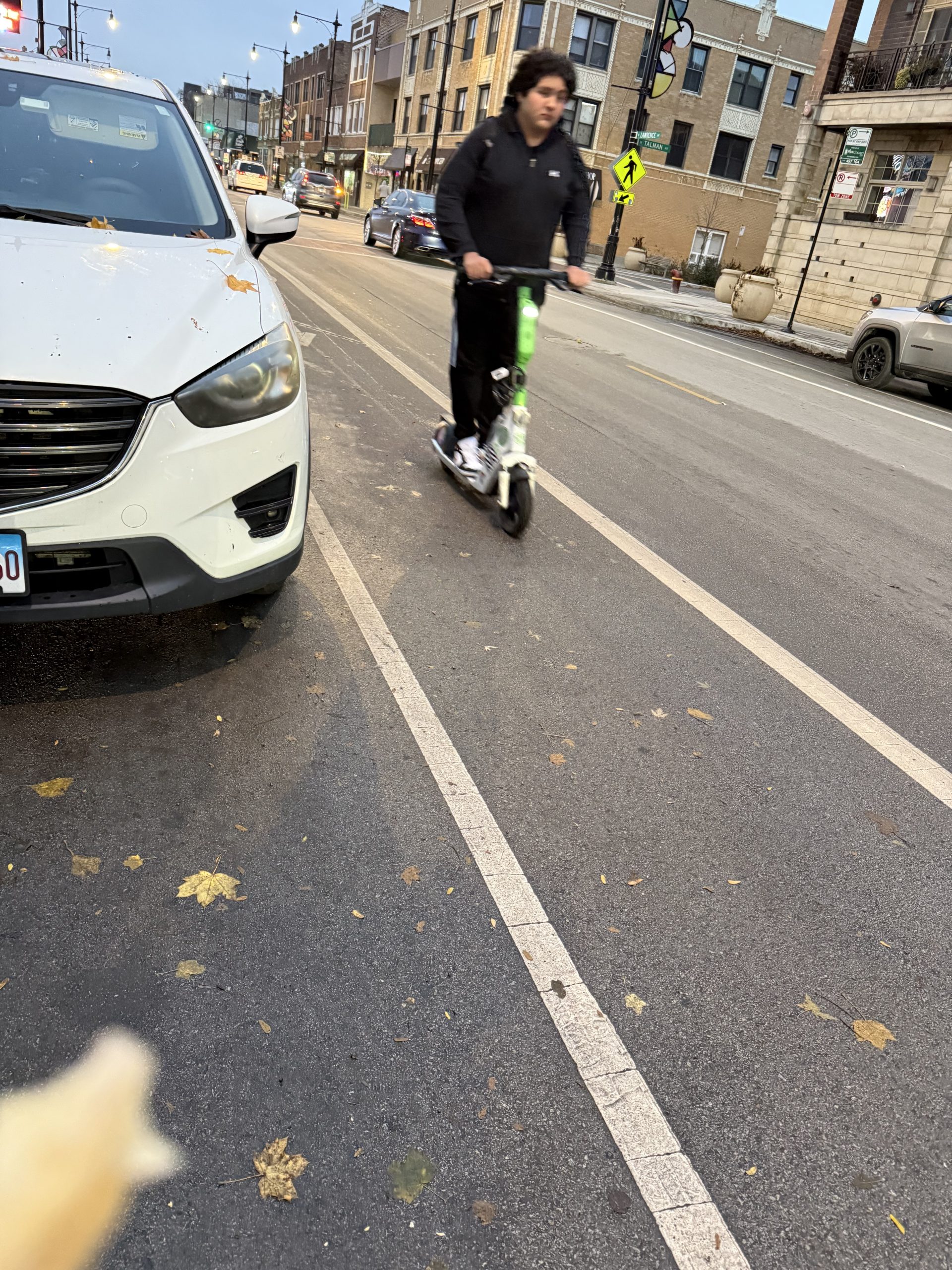
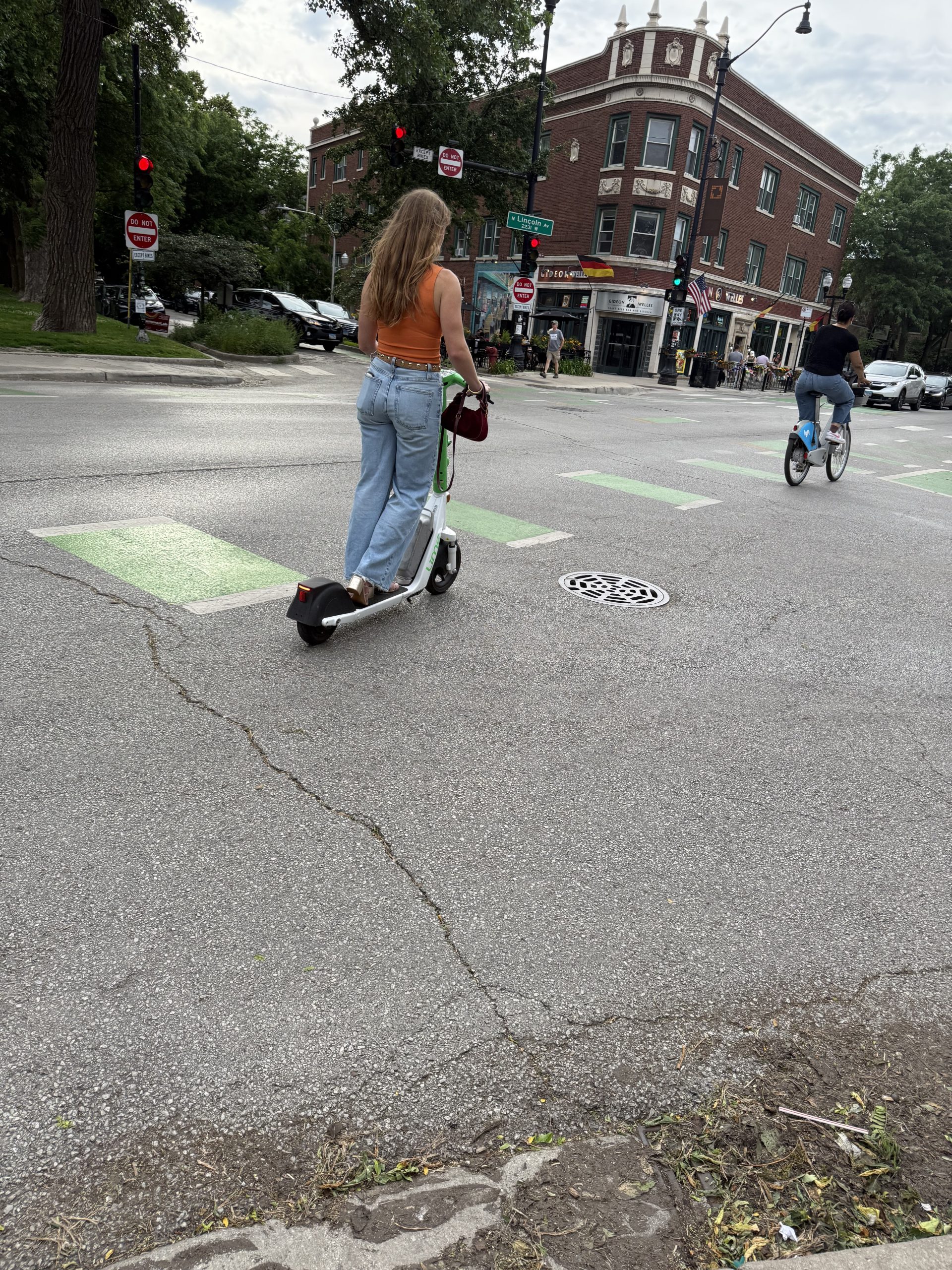
Electric scooters have become a familiar sight on Chicago streets. Lime scooters and privately owned electric scooters offer a convenient and inexpensive way to get around the city. But their growing popularity has also raised serious concerns about rider safety, particularly among teenagers who may not appreciate the dangers of sharing busy streets with automobiles.
A tragic accident in Chicago’s South Shore neighborhood has brought these concerns into sharp focus. In March 2026, 15-year-old Violet Harris was killed in an apparent hit-and-run collision while riding a Lime electric scooter. The tragedy, reported by the Chicago Tribune on March 25, 2026, highlights the dangers of electric scooters, the problem of underage riders, and the need for greater attention to scooter safety.
As electric scooter use increases throughout Chicago, so do the opportunities for serious accidents involving cars, pedestrians, and scooter riders.
Children Under 18 Are Riding Lime Scooters — Often Without Helmets
Although Chicago has age restrictions governing electric scooter rentals, children and teenagers continue to use them.
The Chicago Tribune reported that electric scooters have become particularly popular among Illinois children under 18. Researchers at Ann & Robert H. Lurie Children’s Hospital of Chicago identified scooters as having especially low helmet-use rates among young riders.
Lime scooters are intended for adult riders, yet younger teenagers can sometimes gain access through an adult’s account or inadequate age verification. It is obvious how many underage riders there are after any Chicago high school lets out. The Chicago personal injury lawyers of Zneimer & Zneimer P.C. have handled many cases where the rider of the E-scooter was under 18 years old.
This creates a troubling situation: children who are too young to legally rent a scooter may nevertheless find themselves operating one in traffic, often without a helmet.
Unlike automobiles, electric scooters offer virtually no protection in a collision. Riders stand on a narrow platform, balancing on two small wheels, without seat belts, airbags, or a protective frame. Even a relatively low-speed accident can throw a rider onto the pavement or into the path of another vehicle.
Head injuries are especially concerning. Helmets can reduce the risk of serious head trauma, but many scooter riders, particularly teenagers, simply do not wear them.
The absence of a helmet can turn an otherwise survivable accident into a life-changing or fatal injury.
Electric Scooter Injuries and Deaths Are Increasing Nationwide
The dangers of electric scooters are supported by troubling national statistics.
According to an April 2026 report from the U.S. Consumer Product Safety Commission (CPSC), covering 2017 through 2024:
- 380,000 estimated emergency department visits were associated with electric scooters nationwide.
- 206 reported fatalities were associated with electric scooters during that period.
- 698,500 estimated emergency department visits involved all micromobility products combined, including electric scooters, electric bicycles, and hoverboards.
- 533 reported deaths involved these micromobility products, with annual reported fatalities increasing from 5 in 2017 to 135 in 2024.
The CPSC identified motor vehicle collisions and problems controlling scooters among the leading hazards associated with electric scooter fatalities.
These figures demonstrate that scooter accidents are far more than occasional minor mishaps. They can result in traumatic brain injuries, broken bones, spinal injuries, permanent disabilities, and death.
A scooter rider struck by an automobile is particularly vulnerable because there is nothing to absorb the impact of a collision.
Privately Purchased Scooters Can Travel 50 MPH — With Few Existing Restrictions
An especially disturbing aspect of electric scooter safety is the difference between regulated rental scooters and privately purchased models.
Chicago’s shared rental scooters are limited to speeds of 15 mph. However, powerful electric scooters available through retail stores and online sellers can reach speeds of 50 mph or more.
At the time of the March 2026 Chicago Tribune report, Illinois had no statewide minimum age requirement specifically governing these high-speed electric scooters. That meant teenagers could obtain and operate extremely powerful devices without the same licensing and insurance requirements imposed on drivers of automobiles and motorcycles.
A scooter traveling 40 or 50 mph is not simply a recreational toy. At those speeds, losing control, striking a pothole, or colliding with a motor vehicle can have devastating consequences.
Illinois has since enacted new micromobility safety legislation, scheduled to take effect January 1, 2027. The law establishes a statewide minimum age of 16 for electric scooter riders and restricts operation of covered high-speed devices to no more than 28 mph on permitted roads and paths.
However, legislation alone cannot eliminate the dangers posed by high-speed scooters, inexperienced riders, and motorists who fail to exercise reasonable care.
Why Electric Scooter Accidents Are Particularly Dangerous in Chicago
Chicago’s congested streets create serious hazards for scooter riders. Drivers making turns may fail to notice someone approaching on a scooter. Parked vehicles can obstruct visibility, and opening car doors can send riders directly into moving traffic.
Potholes, uneven pavement, construction zones, and poorly marked roadway obstacles can also cause riders to lose control. Small scooter wheels are particularly vulnerable to pavement defects that might pose little difficulty for a larger vehicle.
The danger increases after dark, when scooter riders may be difficult for motorists to see. Rain, reduced visibility, and inadequate lighting make collisions even more likely. It is especially difficult for motorist to see on coming scooters when making a right turn across a bike path at night.
Although scooter riders must follow applicable traffic laws and exercise reasonable care, motorists also have a responsibility to watch for vulnerable road users and avoid preventable collisions.
A scooter rider’s lack of a helmet or violation of a rental company’s age requirements does not automatically excuse a negligent driver who causes an accident.
Who May Be Responsible for an Electric Scooter Accident?
Determining legal responsibility for a scooter accident is not always straightforward.
A negligent automobile driver may be responsible for injuries caused by speeding, distracted driving, failing to yield, making an unsafe turn, or striking a scooter rider and fleeing the scene.
Depending on the circumstances, other potentially responsible parties may include a scooter rental company that failed to maintain its equipment, a manufacturer that produced a defective scooter, or an entity responsible for a dangerous roadway condition.
Cases involving underage riders can raise additional legal questions involving rental agreements, parental consent, and age-verification practices.
Importantly, the fact that a scooter rider was underage, was not wearing a helmet, or may have violated a traffic rule does not automatically eliminate the possibility of recovering compensation. Illinois negligence law requires a careful examination of the conduct of everyone involved.
Why You Need an Experienced Personal Injury Law Firm
Electric scooter accident cases can be considerably more complicated than ordinary automobile accidents.
Insurance coverage may be disputed, rental agreements may contain complicated legal provisions, and several parties may share responsibility for the same collision.
At Zneimer & Zneimer, P.C., our Chicago personal injury attorneys understand the importance of thoroughly investigating serious accidents and identifying all potentially responsible parties.
An effective investigation may require obtaining police reports, preserving surveillance footage, identifying witnesses, examining the scooter involved, reviewing rental records and electronic trip data, and evaluating applicable insurance coverage.
These investigations are particularly important in hit-and-run accidents, where identifying the responsible driver or locating available insurance benefits may become a central issue.
Serious injuries may require extensive medical treatment, rehabilitation, and long-term care. An experienced personal injury attorney can evaluate damages involving medical expenses, lost income, pain and suffering, permanent disability, and other legally recoverable losses.
Families who lose a loved one in a fatal scooter accident may also have grounds to pursue a wrongful death claim.
The attorneys at Zneimer & Zneimer, P.C. can examine the circumstances of an accident, explain the injured person’s legal rights, and pursue compensation from those whose negligence caused the injuries.
Injured in an Electric Scooter Accident? Contact Zneimer & Zneimer, P.C.
Electric scooters are likely to remain part of Chicago’s transportation system. But their convenience should not come at the expense of public safety, especially when children and teenagers are involved.
Parents should understand the risks associated with electric scooters, insist on appropriate helmet use, and recognize that some privately purchased models are capable of dangerously high speeds. Drivers must also remain alert for scooter riders, particularly at intersections and after dark.
If you or a family member has been injured in an electric scooter accident in Chicago or the surrounding suburbs, the Chicago personal injury lawyers of Zneimer & Zneimer, P.C. can help you understand your legal options.
Our firm represents individuals and families injured through the negligence of others, including serious traffic accidents, bicycle and scooter collisions, and wrongful death cases.
Zneimer & Zneimer, P.C.
4141 N. Western Avenue
Chicago, IL
Call 773-516-4100
Website: www.zneimerlaw.com
Contact our office to discuss your accident and learn how an experienced Chicago personal injury attorney can help protect your rights.
Sources and verification
The article incorporates the March 25, 2026 Chicago Tribune report along with national injury statistics and updated Illinois regulations.
The supporting sources are the U.S. Consumer Product Safety Commission report and the Illinois Secretary of State scooter safety guidance.