 Chicago Accident Lawyer Blog


By Zneimer & Zneimer P.C. – Chicago Personal Injury Lawyers
Electric bikes and scooters have rapidly reshaped transportation across Illinois. What began as pedal-assist bicycles traveling 15–20 mph has evolved into a new generation of high-powered electric devices capable of 40–50 mph speeds — often operated without licensing, insurance, or clear regulatory oversight.
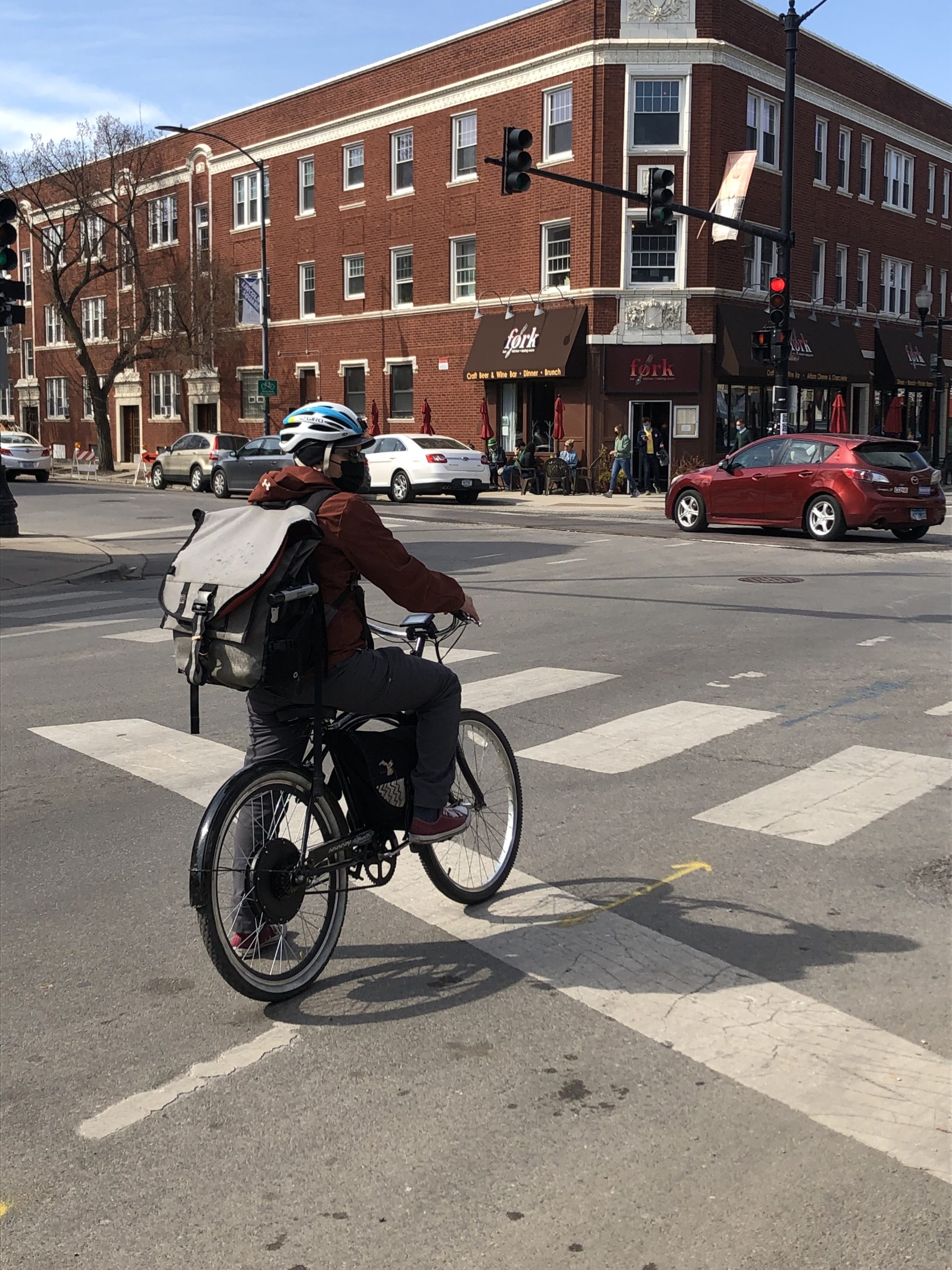
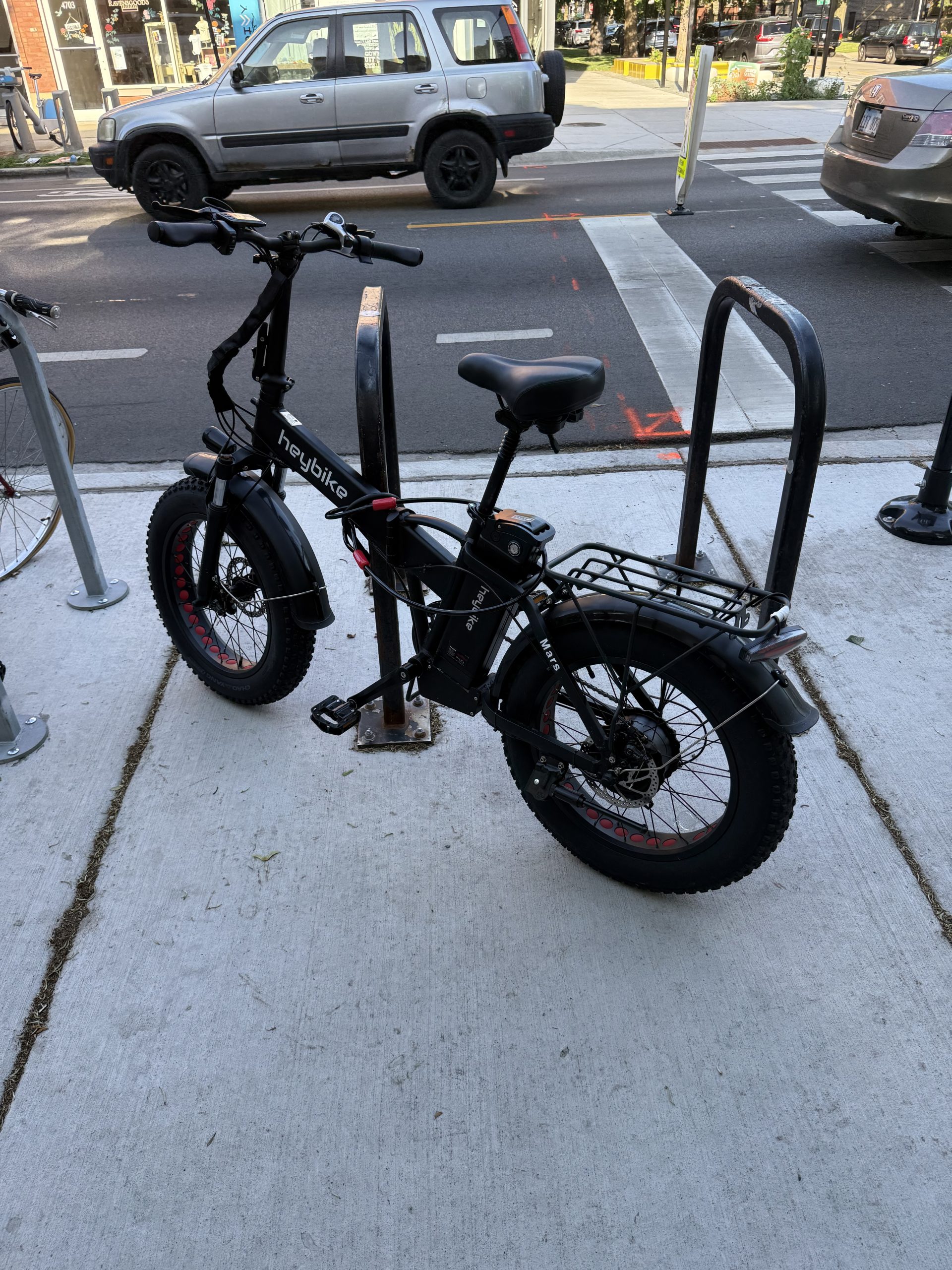
Electric bikes are ubiquitous nowadays on the streets of Chicago. What began as pedal-assist bicycles traveling 15–20 mph has evolved into a new generation of high-powered electric devices capable of 40–50 mph speeds, often operated without licensing, insurance, or clear regulatory oversight. The question becomes where exactly e-bikes are supposed to be driven. Should people be riding their e-bikes 30 miles per hour in bike lanes and on the lake bike trails? When a bike reaches that speed shouldn’t they even be treated more like a motorcycle and less like a bike? What ages should be allowed to ride e-bikes that can achieve high speeds? How safe is it to have high speed bikes on trails and lanes meant for pedal bikes? These are questions that our city and state lawmakers have left unanswered.
As recently reported in the Chicago Tribune, Illinois Secretary of State Alexi Giannoulias, along with State Sen. Ram Villivalam and State Rep. Barbara Hernandez, announced a statewide initiative titled:
“Ride Safe, Ride Smart, Ride Ready.”
The initiative recognizes a growing problem: Illinois law has not kept pace with the technology now operating on our streets.
The bike injury lawyers of Zneimer & Zneimer P.C., represent individuals seriously injured in motor vehicle, bicycle, and pedestrian crashes throughout Chicago and Cook County. We are increasingly seeing cases involving high-speed electric bikes where confusion about the rules of the road plays a central role.
The Problem: These Are No Longer “Just Bicycles”
Traditional bicycles rely on human power and have predictable acceleration and stopping distances. Many of today’s electric devices do not.
Some newer e-bikes and “e-motos”:
- Accelerate instantly
- Travel at motorcycle-level speeds
- Weigh substantially more than standard bicycles
- Are marketed to teenagers
- Fall into regulatory gray areas
Yet many are still treated under Illinois law as bicycles.
That mismatch creates danger.
When a 50-mph electric device collides with a pedestrian, a traditional cyclist, or a motor vehicle, the injuries are not minor. Physicians have reported increases in traumatic brain injuries, facial fractures, spinal trauma, and severe orthopedic damage, especially among young riders.
Infrastructure designed for 15-mph bicycles is not designed for motorcycle-level speeds.
The Confusion: Where Are These Devices Supposed to Operate?
One of the most pressing safety concerns is the lack of clarity about where high-speed e-bikes belong.
Should they ride in bike lanes?
In traffic lanes with cars?
On sidewalks?
On shared recreational paths?
Different devices fall into different “classes,” but enforcement is inconsistent and newer models often exceed the limits contemplated when those classifications were created.
This uncertainty puts everyone at risk.
Drivers may not anticipate a 40-mph vehicle approaching from a bike lane. Pedestrians may encounter high-speed riders on sidewalks. Traditional cyclists may suddenly find themselves sharing a protected lane with a machine capable of doubling their speed.
When crashes occur, the legal confusion makes determining liability more complicated — and often delays justice for injured victims.
Why “Ride Safe, Ride Smart, Ride Ready” Matters
Secretary Giannoulias’ initiative is an important acknowledgment that micromobility has evolved faster than state law. The program emphasizes education, public awareness, and legislative reform.
Education is critical. But meaningful safety reform must go further.
Lawmakers should clearly distinguish between low-speed pedal-assist bicycles and high-powered electric vehicles capable of highway-level speeds. Devices that function more like motorcycles should not be regulated as bicycles. Speed-based classifications, defined operating zones, safety equipment requirements, and insurance accountability are essential if Illinois is serious about reducing preventable injuries.
Predictability saves lives. When every road user understands where a device belongs and how it must operate, crashes decrease.
A Public Safety Priority
Illinois has invested heavily in protected bike lanes, pedestrian islands, and traffic-calming measures. Those improvements were designed around traditional speed expectations.
Introducing significantly faster, heavier electric vehicles into those same spaces without updating the rules undermines those safety gains.
Innovation and environmental benefits are important. So is mobility access. But public safety must remain the priority.
When Accidents Happen
If you or a loved one has been injured in a crash involving an electric bike or scooter, whether as a rider, pedestrian, or motorist, you may be entitled to compensation for medical expenses, lost wages, and long-term damages.
The personal injury lawyers of Zneimer & Zneimer P.C., we understand the evolving legal landscape surrounding e-bikes and micromobility devices. It is important for everyone’s safety that Illinois law keep up with the changes.