 Chicago Accident Lawyer Blog


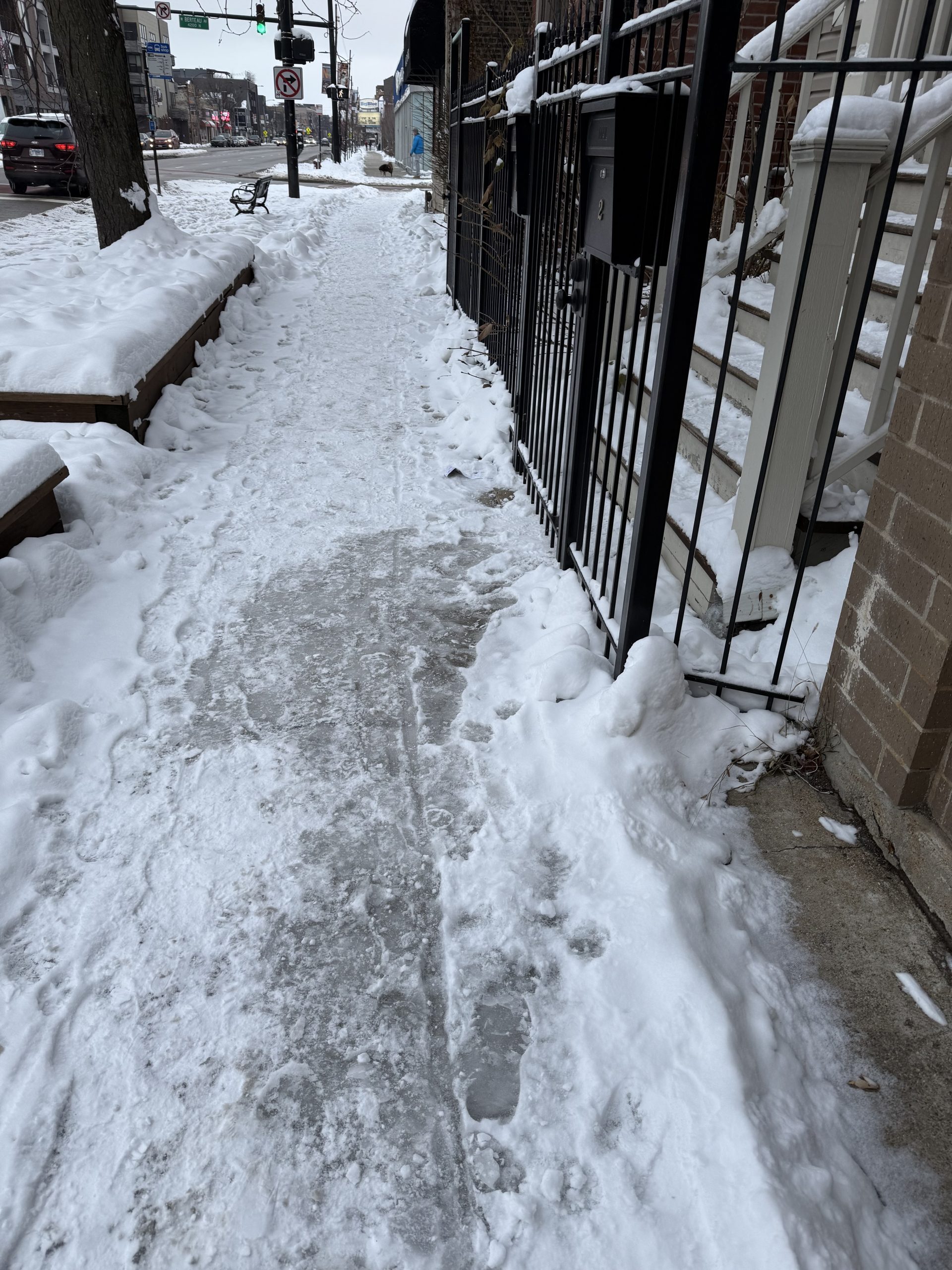
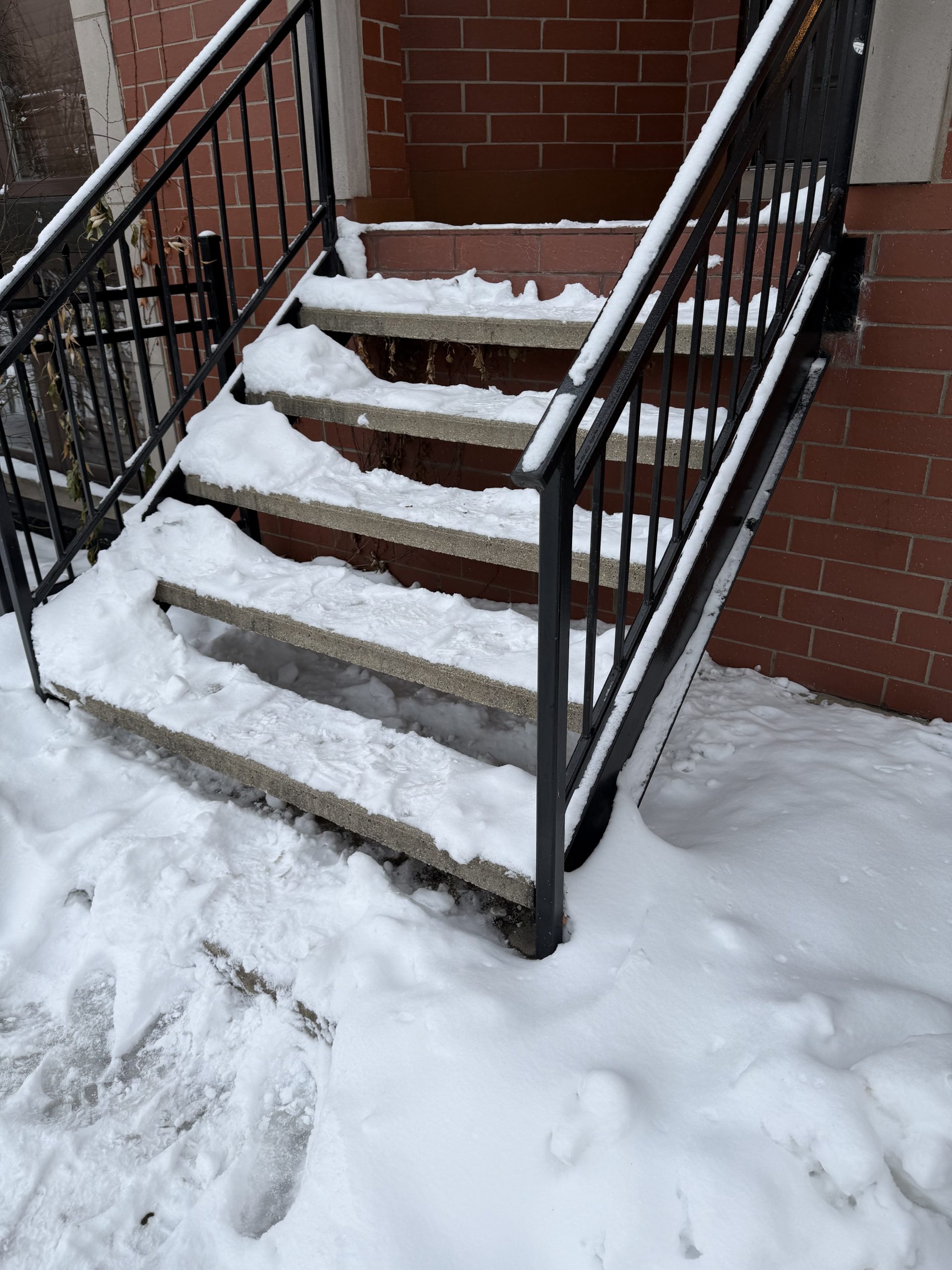
Chicago winters are notorious for snow and ice and with them comes a sharp rise in slip-and-fall injuries. While many people assume that any fall on ice automatically creates a lawsuit, Illinois law draws important distinctions about who may be liable, where the fall occurred, and whether the accumulation was “natural” or “unnatural.” It is important to consult with an experienced lawyer to determine if you have a case. The Chicago slip & fall attorneys Zneimer & Zneimer P.C. have handled many slip & fall cases and we are thoroughly familiar with the current law.
Understanding these distinctions is critical if you were injured in a winter slip-and-fall.
The General Rule in Illinois: No Automatic Liability for Snow and Ice
Illinois does not impose blanket liability for every slip on snow or ice. Instead, courts look at:
- The type of property (business vs. residential)
- The nature of the accumulation (natural vs. unnatural)
- Whether the property owner created or worsened the hazard
These principles apply statewide, including Chicago and Cook County.
Natural vs. Unnatural Accumulations of Snow and Ice
This is the single most important concept in Illinois snow-and-ice cases.
Natural Accumulations (Generally No Liability)
A natural accumulation is snow or ice that forms through ordinary weather conditions such as snowfall, freezing rain, melting and refreezing without human intervention.
Examples include:
- Snow left on a sidewalk shortly after a storm
- Ice formed by overnight freezing
- Slush that refreezes due to cold temperatures
Under Illinois law, property owners generally have no duty to remove or warn about natural accumulations, whether the property is residential or commercial.
Unnatural Accumulations (Potential Liability)
An unnatural accumulation occurs when snow or ice is caused or aggravated by human action or property conditions.
Common examples of unnatural accumulation include:
- Poor drainage causing water to freeze on walkways
- Downspouts discharging water onto sidewalks
- Defective gutters or roofs dripping onto entrances
- Snow piled by plows or shoveling in a way that refreezes in pedestrian paths
- Melt-and-refreeze caused by heat escaping from a building
When an owner creates or worsens the icy condition, liability may arise.
Business Property Liability for Snow and Ice
Higher Duties for Businesses
Businesses open to the public such as stores, restaurants, apartment complexes, and office buildings owe a heightened duty of care to customers and invitees.
While businesses are not automatically liable for natural accumulations, they may be liable when:
- They create an unnatural accumulation
- They negligently attempt snow removal and make conditions more dangerous
- They fail to address known drainage or structural problems
- Ice repeatedly forms in the same area due to property defects
For example, a grocery store entrance that repeatedly develops ice due to a leaking awning or misdirected downspout may expose the business to liability even if the weather caused the initial melting.
Timing Matters but It’s Not Absolute
Illinois courts recognize that businesses need a reasonable time to respond after a storm. However, the passage of time does not excuse dangerous conditions caused by the property itself.
Residential Property Liability for Snow and Ice
Generally More Limited Duties
Residential property owners especially single-family homeowners are usually not liable for injuries caused by natural accumulations of snow or ice on sidewalks or driveways.
However, liability may still exist if the homeowner:
- Creates an unnatural accumulation
- Alters the property in a way that causes recurring icy conditions
- Channels water onto walkways that freezes
Multi-unit residential properties (such as apartment buildings) often face greater exposure than single-family homes, particularly where tenants or guests are involved.
The Snow and Ice Removal Act – 745 ILCS 75/
Illinois law also provides statutory protection for property owners who voluntarily remove snow and ice.
What the Law Says
| (745 ILCS 75/0.01) (from Ch. 70, par. 200) Sec. 0.01. Short title. This Act may be cited as the Snow and Ice Removal Act. (Source: P.A. 86-1324.) |
| (745 ILCS 75/1) (from Ch. 70, par. 201) Sec. 1. It is declared to be the public policy of this State that owners and others residing in residential units be encouraged to clean the sidewalks abutting their residences of snow and ice. The General Assembly, therefore, determines that it is undesirable for any person to be found liable for damages due to his or her efforts in the removal of snow or ice from such sidewalks, except for acts which amount to clear wrongdoing, as described in Section 2 of this Act. (Source: P.A. 81-591.) |
| (745 ILCS 75/2) (from Ch. 70, par. 202) Sec. 2. Any owner, lessor, occupant or other person in charge of any residential property, or any agent of or other person engaged by any such party, who removes or attempts to remove snow or ice from sidewalks abutting the property shall not be liable for any personal injuries allegedly caused by the snowy or icy condition of the sidewalk resulting from his or her acts or omissions unless the alleged misconduct was willful or wanton. (Source: P.A. 81-591.) |
What to Do If You Were Injured in a Snow or Ice Fall
Every slip-and-fall case is fact-specific. Small details such as drainage patterns, building design, or prior complaints often make the difference between a valid claim and a dismissal.
If you were injured:
- Photograph the area immediately
- Identify how the ice formed
- Seek medical attention
- Speak with an attorney experienced in Illinois premises-liability law
We Help Injured Chicagoans Navigate Complex Liability Laws
The Chicago slip and fall lawyers of Zneimer & Zneimer P.C., we understand the nuances of Illinois snow- and ice-liability law. We investigate whether a condition was natural or unnatural, whether a property owner created the hazard, and whether statutory protections truly apply.
If you were injured in a winter slip-and-fall, contact us for a free consultation. The law may protect property owners but it also protects people injured by preventable hazards.