 Chicago Accident Lawyer Blog


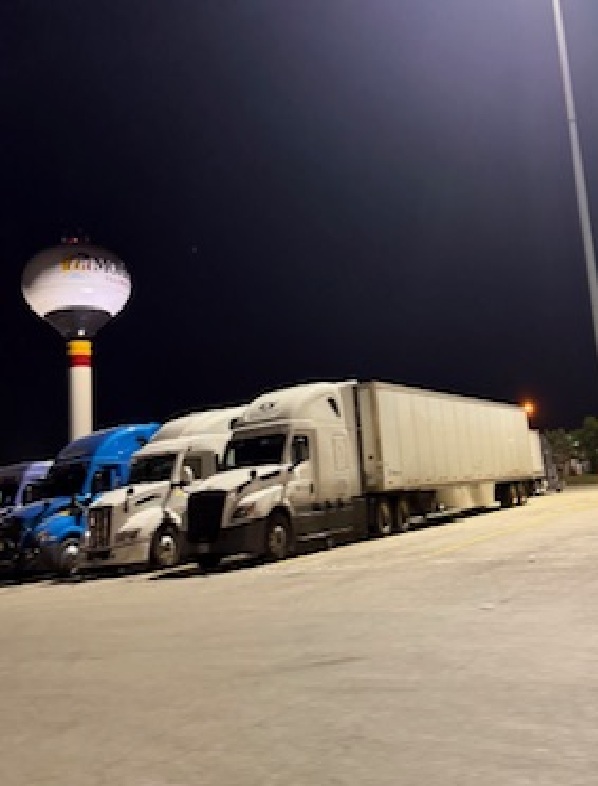
Truck
A serious truck crash in Chicago and elsewhere can look simple in the first headlines and blame the truck driver. A few sentences, a few quotes, and the news moves on. However our experienced trucking injury attorneys know from experience that personal injury cases rarely start and end with the driver. Federal trucking safety rules acknowledge that safety starts before the driver turns the key, and place responsibility on the trucking company to know the rules, teach the rules, and require compliance.
The federal regulation, 49 C.F.R. § 390.3 state every employer must know and comply with the safety regulations, and every driver and employee must receive instruction and comply. Additionally, 49 C.F.R. § 390.11 says that when the regulations impose a duty on a driver, the motor carrier must require the driver to follow it.
Crashes involving trucks often trace back to company decisions that never appear in a news headline: hiring choices, training quality, dispatch pressure, unrealistic delivery windows, and what the company does when a driver reports fatigue or faulty equipment.
Early news reports almost never answer the questions that matter most in a trucking case: what the carrier demanded, what it monitored, and what it tolerated.
How we investigate trucking companies
Trucking cases live and die on evidence. Trucking companies run on data, and a lot of that data disappears fast unless someone acts quickly. Here is what we dig into, and why it matters.
We move fast to preserve evidence
Many trucks use systems that overwrite information on short cycles. Dash cameras can record over older footage. Telematics can roll over. Logs and internal messages can vanish under ordinary retention policies. We send preservation notices early and push for formal legal preservation when needed, because you cannot litigate what no longer exists.
We investigate the data to find out what happened
Modern trucks function like rolling computers. We look for electronic data that can show speed, braking, throttle, lane events, warnings, hard stops, and timing. That data often reveals whether the driver had time to react, whether the truck performed properly, and whether the company maintained the equipment. Dispatch rarely shows up on a crash report, but dispatch often drives behavior. We look for:
- Trip planning and routing
- Delivery windows and appointment times
- Messages between driver and dispatch
- Proof of load pickup and drop off
- “Can you still make it” pressure when delays happen sometimes in bad weather
Those records help show whether the company encouraged safe driving or quietly rewarded risky driving.
We audit hours of service and fatigue indicators
Fatigue causes crashes, and companies can create fatigue with scheduling choices. We examine electronic logging device records, supporting documents, and inconsistencies. We also look for patterns like tight turnarounds, long duty days, and repeated violations.
We examine hiring, training, and supervision
The regulations do not let carriers treat safety as a slogan. We request driver qualification files, training materials, road tests, prior incident history, discipline records, and company safety policies. Then we compare paper policies to real practice.
We scrutinize maintenance and inspection history
Brakes, tires, lights, coupling systems, and load securement failures cause catastrophic outcomes. We request inspection and repair records, out of service history, and vendor invoices. Maintenance tells you whether the carrier prevented problems or reacted after the fact.
We identify every responsible player
Truck cases often involve more than the driver and the carrier. A broker, a shipper, a loader, or a maintenance contractor can contribute to the risk. We track who controlled what, and when.
A motor carrier cannot outsource safety to a driver and then shrug when the crash happens. The federal framework expects the carrier to require compliance, not just hope for it.
If you are involved in a trucking accident
If you got hurt in a trucking crash, you need someone who knows where the evidence lives and how quickly it disappears. Contact Zneimer & Zneimer. We investigate the company decisions behind the crash, not just the last few seconds on the road.