 Chicago Accident Lawyer Blog


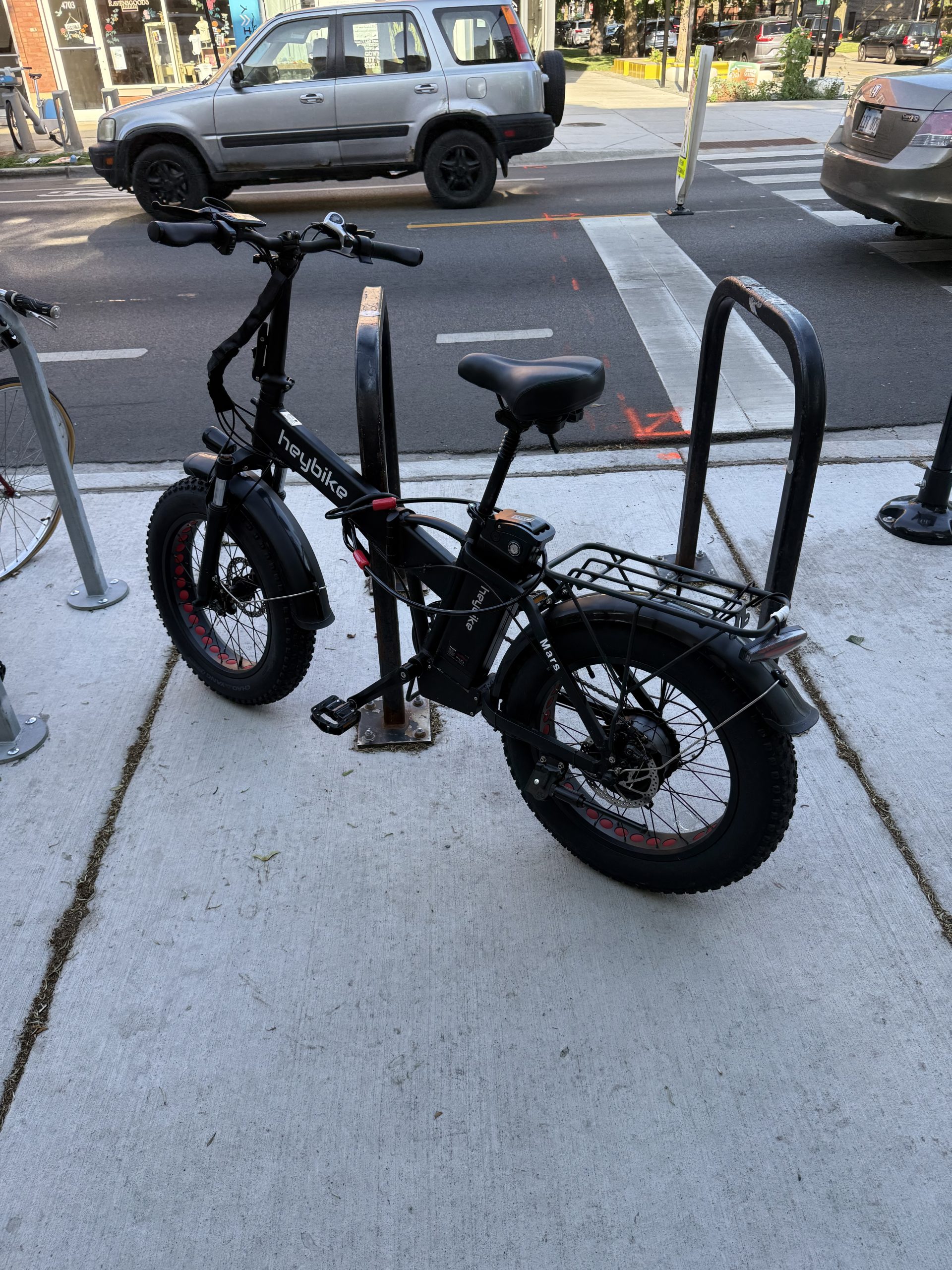
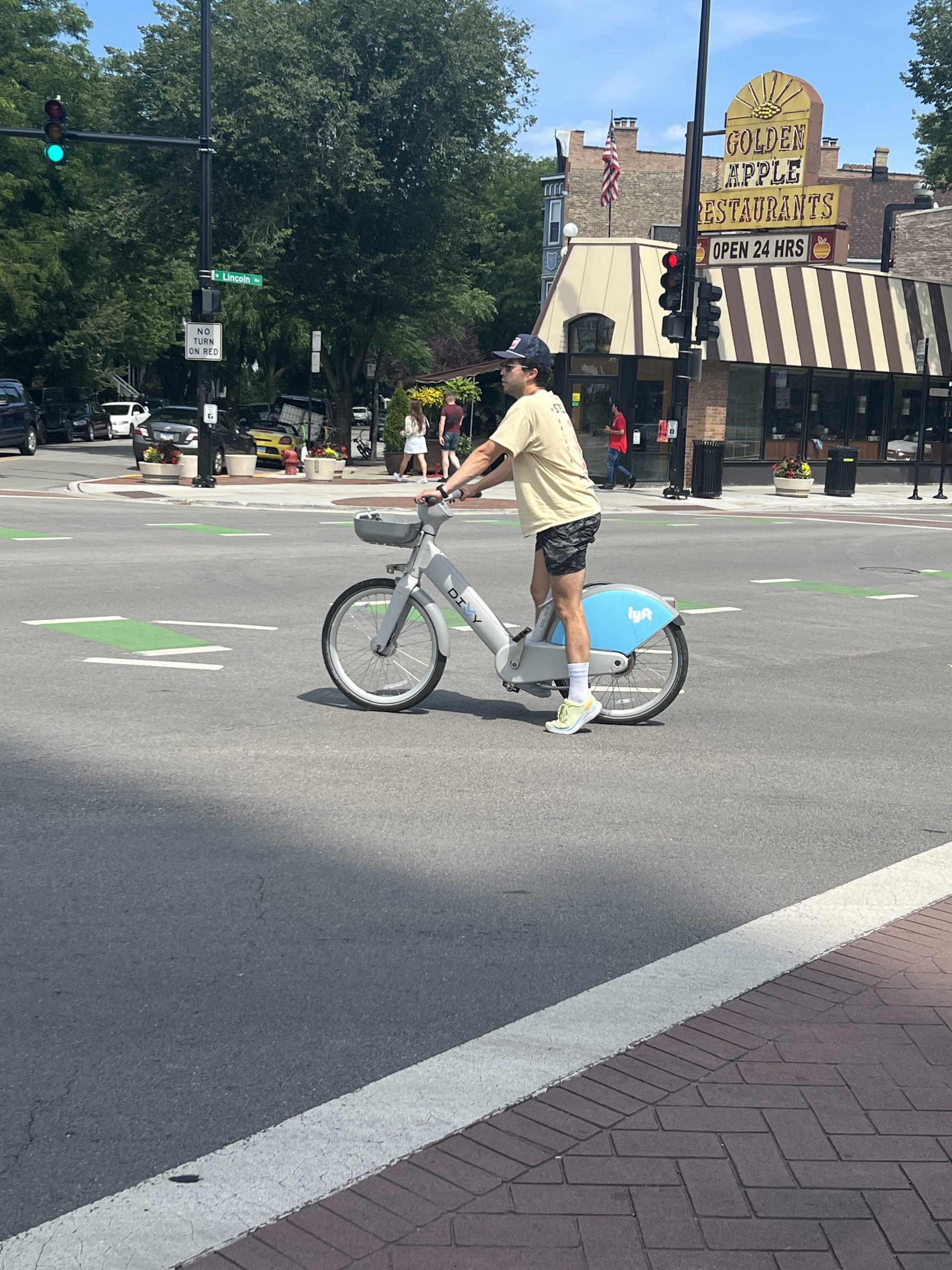
Electric bikes are no longer a novelty in Chicago—they are everywhere: downtown streets, neighborhood bike lanes, and heavily trafficked pedestrian areas like the Lakefront Trail. With that rise comes a legal question we are increasingly seeing at Zneimer & Zneimer, P.C., a personal injury law firm.
👉 If a pedestrian is struck by an uninsured electric bike rider, can the pedestrian recover under their own uninsured motorist (UM) coverage?
The answer depends on a critical legal issue under Illinois law:
👉 Is the electric bike a “motor vehicle”?
Illinois UM Law: Protection for “Persons,” Not Just Drivers
Illinois mandates uninsured motorist coverage in all automobile policies:
- 215 ILCS 5/143a requires coverage for
“persons insured thereunder who are legally entitled to recover damages from owners or operators of uninsured motor vehicles.”
The Illinois Supreme Court has made clear that this protection extends broadly:
- In Galarza v. Direct Auto Insurance Company, the Court held that pedestrians are covered, even if they were not occupying a vehicle at the time of the crash.
👉 The key inquiry is not where the injured person was—but whether the injury arose out of the use of an uninsured motor vehicle.
The Definition Problem: What Is a “Motor Vehicle”?
Illinois courts look to the Vehicle Code:
- 625 ILCS 5/1-146 defines a motor vehicle as any self-propelled vehicle
- But expressly excludes “low-speed electric bicycles”
Those low-speed electric bicycles are defined in:
- 625 ILCS 5/1-140.10, which limits them to:
- 20 mph (Class 1 & 2)
- 28 mph (Class 3)
👉 This statutory distinction creates two very different legal outcomes.
Hypothetical #1: 25 MPH Electric Bike
Likely NOT a Motor Vehicle
A bike limited to roughly 20–25 mph typically falls within Illinois’ definition of a low-speed electric bicycle:
- It is not a motor vehicle under 625 ILCS 5/1-146
- It requires no insurance under Illinois law
Case Law Context
Illinois courts have already drawn a firm line:
- In Standard Mutual Insurance Co. v. Rogers, a traditional bicycle was held not to be a motor vehicle, defeating a UM claim.
Similarly:
- In People v. Grandadam, the court emphasized that classification depends on the vehicle’s motor-powered speed, not its combined pedal speed.
Legal Consequence
If a pedestrian is struck by this type of e-bike:
❌ Likely no UM coverage
❌ No mandatory liability insurance on the rider
❌ Recovery may depend solely on the rider’s personal assets
👉 This creates a significant gap in protection for injured pedestrians.
Hypothetical #2: 40 MPH Electric Bike
Likely a Motor Vehicle
Now consider a more powerful “electric bike” capable of 40 mph.
Under Illinois law:
- It exceeds all statutory e-bike classifications (max 28 mph)
- It is not a “low-speed electric bicycle”
- Therefore, it falls within the definition of a motor vehicle under 625 ILCS 5/1-146
Supporting Case Law
- In People v. Frazier, a scooter capable of ~40 mph was treated as a motor vehicle, not a low-speed bicycle.
- Illinois courts consistently hold that the Vehicle Code definition controls UM coverage:
- Roberts v. Country Mutual Insurance Co.
- Policy definitions cannot narrow statutory coverage
Legal Consequence
If a pedestrian is struck by a 40 mph e-bike:
✅ It qualifies as an uninsured motor vehicle
✅ The pedestrian can pursue a UM claim under their own policy
✅ Policy exclusions attempting to avoid coverage are likely void
The Real Litigation Issue: Speed, Power, and Proof
These cases will not be decided by what the vehicle is called—but by what it does.
Key evidentiary issues include:
- Maximum speed under motor power alone (critical under Grandadam)
- Manufacturer specifications and labeling
- Evidence of modification or tampering
- Whether the bike exceeds statutory limits
👉 Expect insurers to aggressively dispute classification.
Why This Matters More Now in Chicago
Chicago’s push toward micromobility has created a legal gray zone:
- Faster e-bikes blur the line between bicycles and motor vehicles
- Riders are often uninsured
- Pedestrian exposure is increasing—especially on shared paths
The result is a growing category of cases where:
👉 Insurance recovery depends entirely on how the vehicle is classified.
Key Takeaways
- 20–25 mph e-bike → likely no UM coverage
- 40 mph e-bike → likely UM coverage applies
- The difference is grounded in:
- 625 ILCS 5/1-140.10 (e-bike classification)
- 625 ILCS 5/1-146 (motor vehicle definition)
- 215 ILCS 5/143a (UM mandate)
- Illinois courts will look to:
- Speed capability
- Motor function
- Public policy favoring compensation
Conclusion
As electric bikes become faster and more common, Illinois law is being forced to draw a line between:
👉 A bicycle
and
👉 A motor vehicle in disguise
For injured pedestrians, that line can mean the difference between:
- No meaningful recovery
or - Full uninsured motorist benefits
Chicago Personal Injury Lawyers, Zneimer & Zneimer, P.C.
If you or a loved one has been injured by an electric bike, we can analyze whether the vehicle qualifies as a motor vehicle and pursue all available avenues of recovery—including uninsured motorist claims.