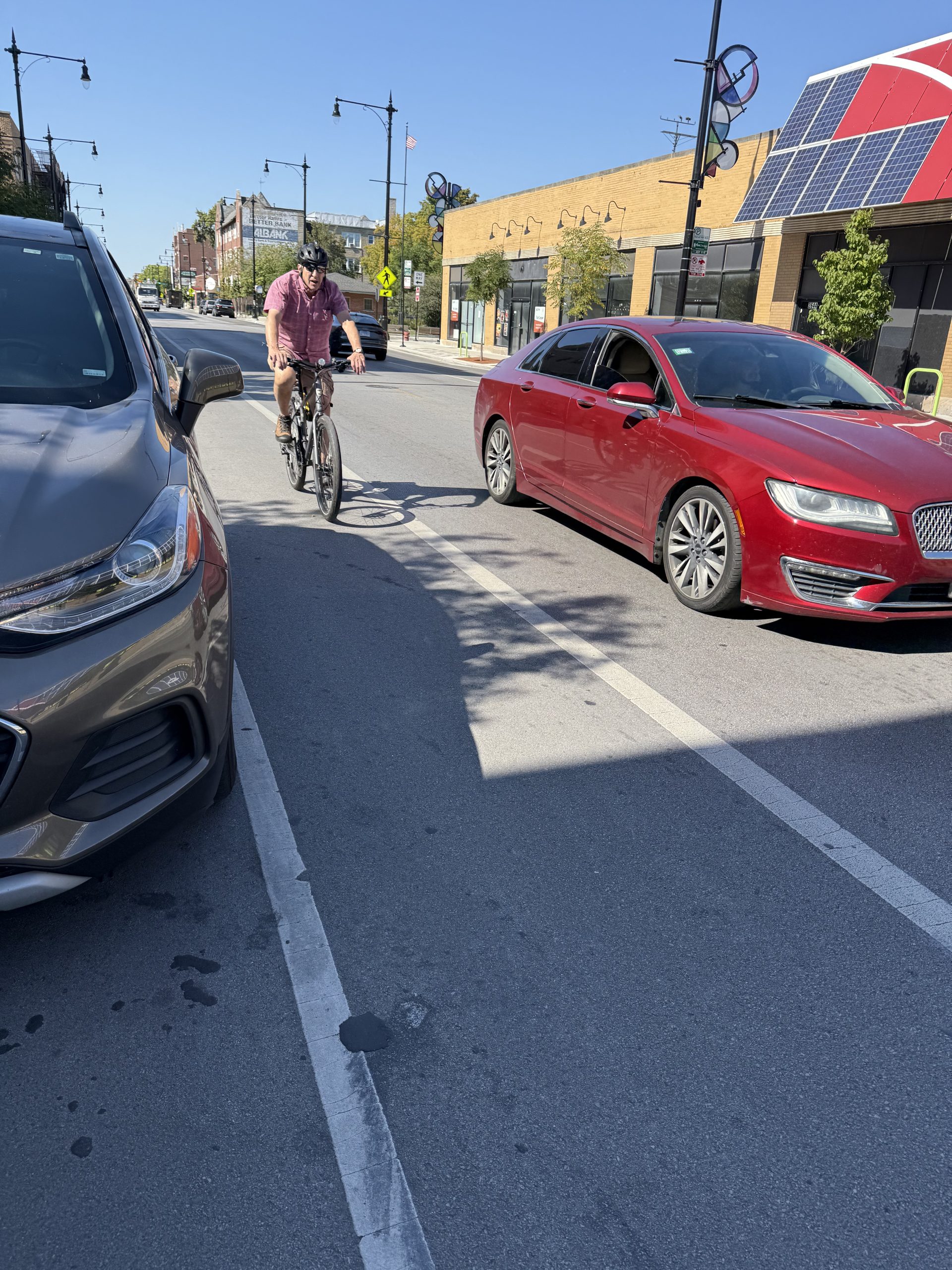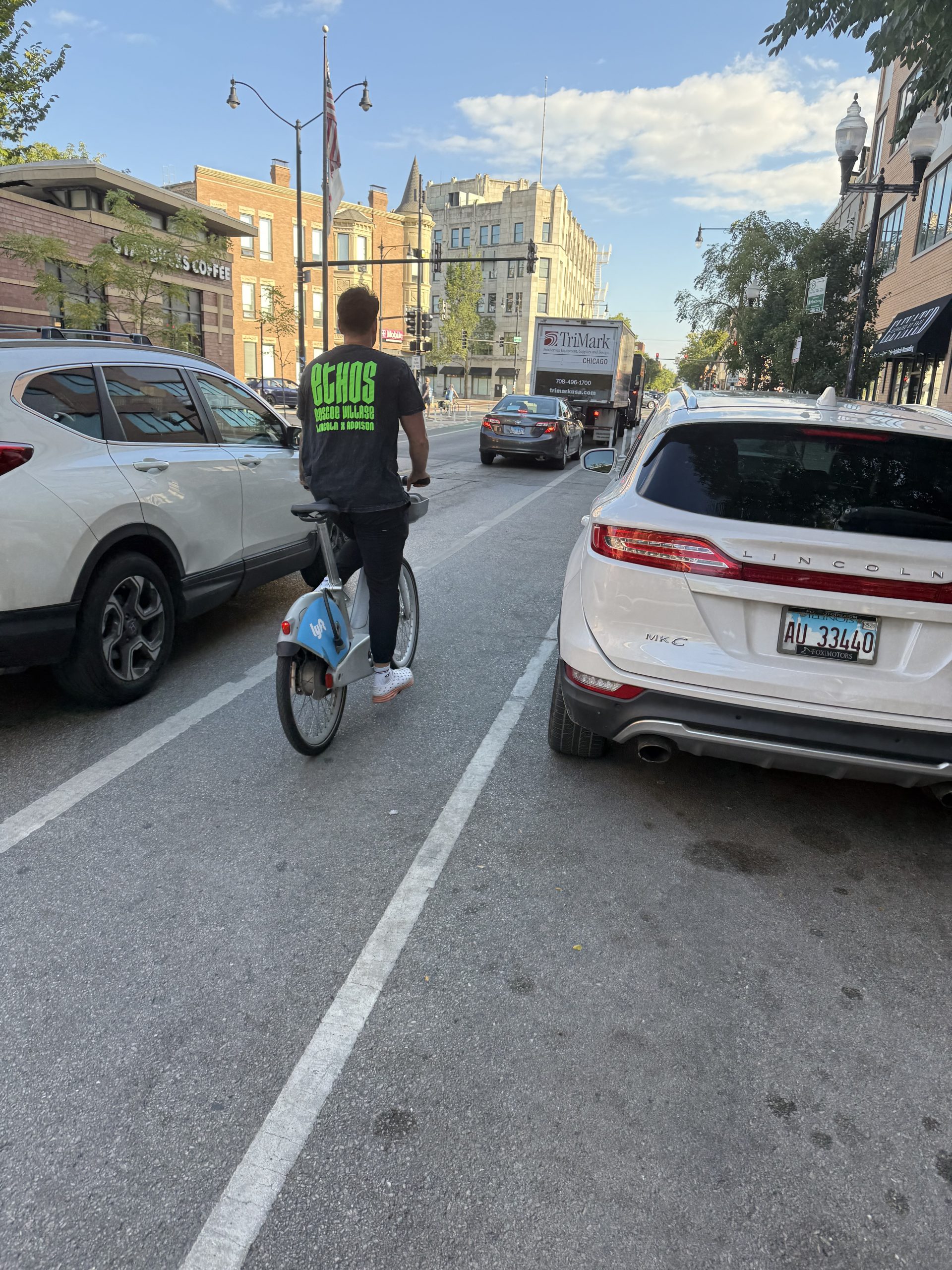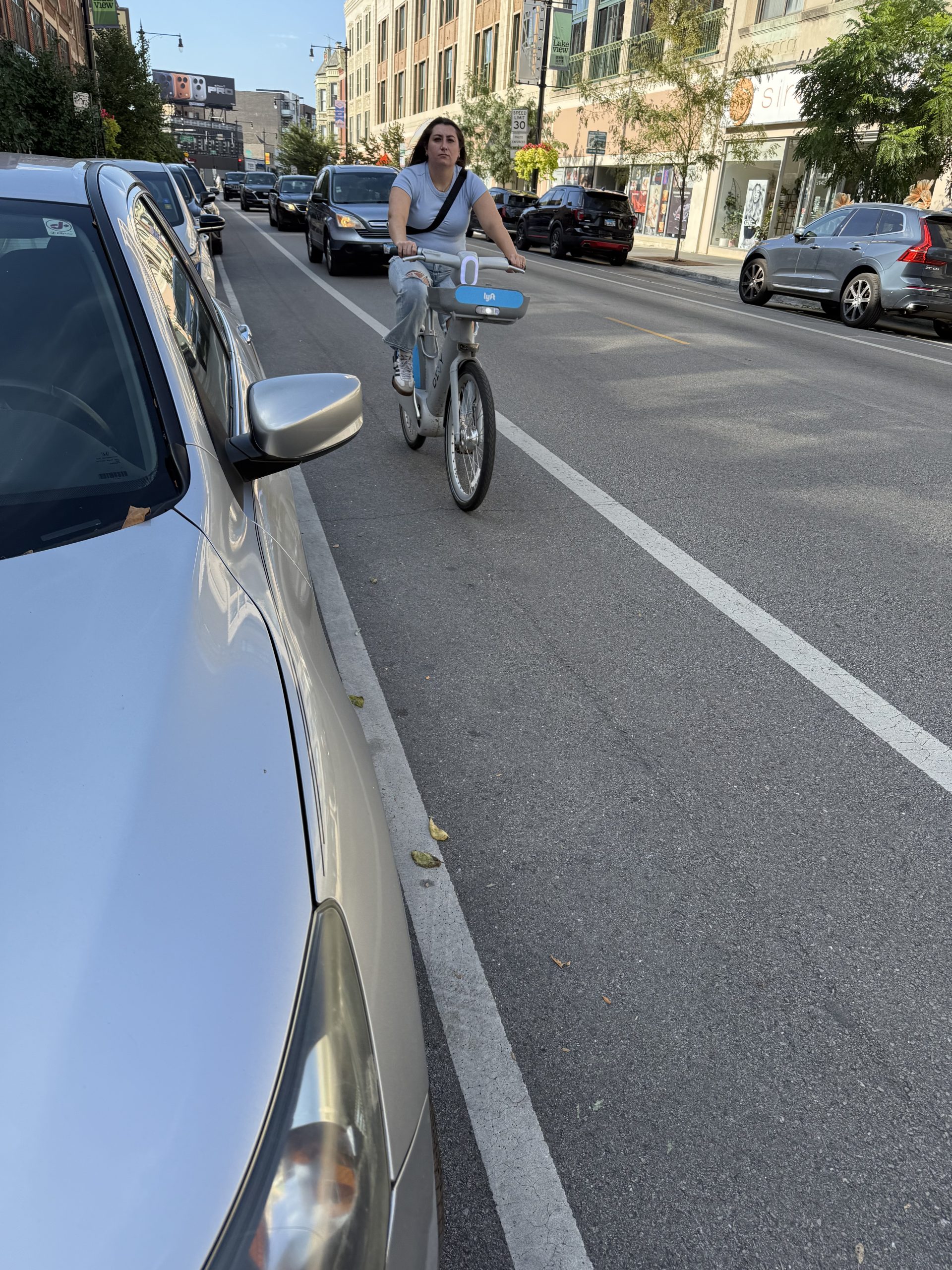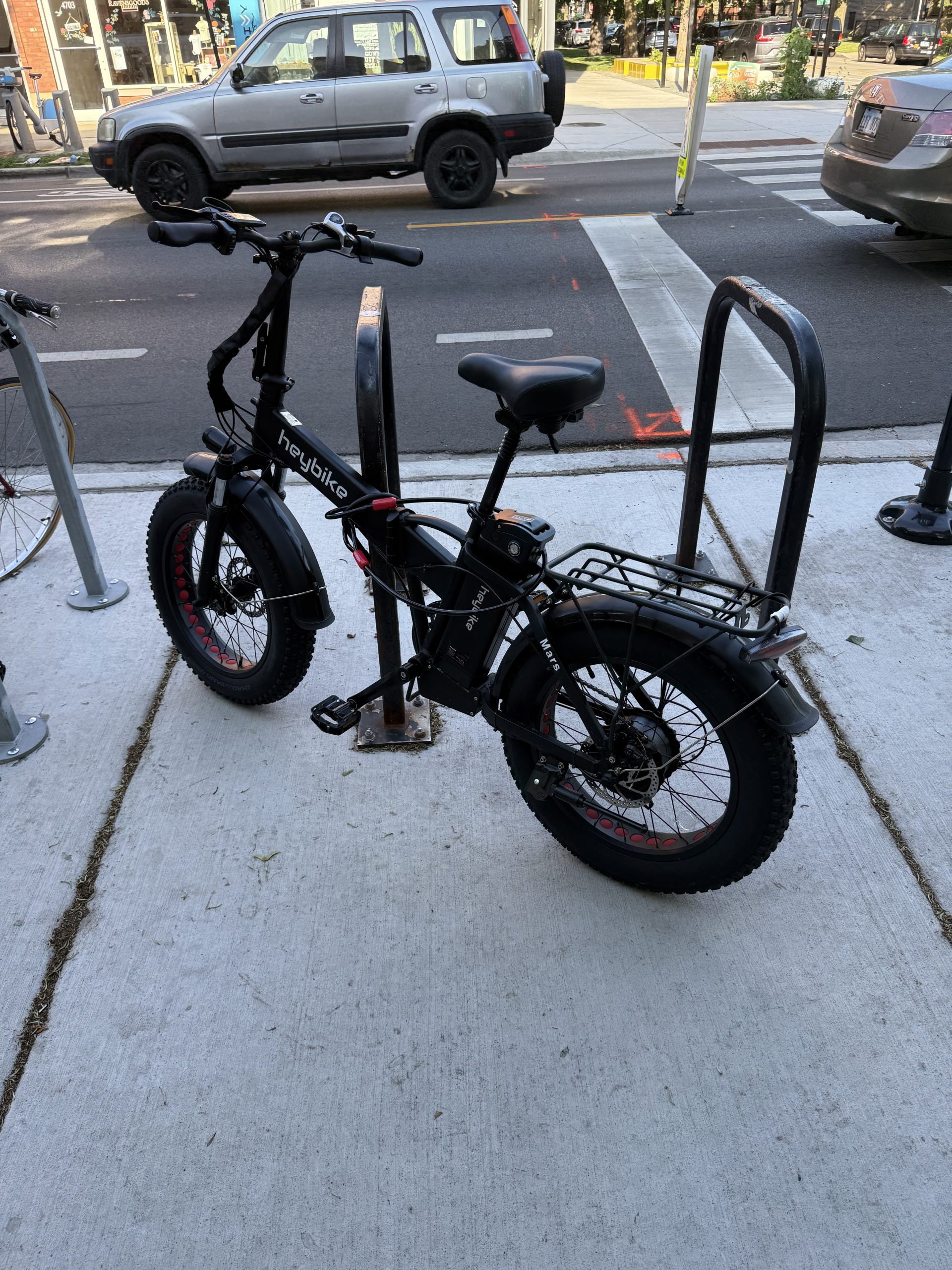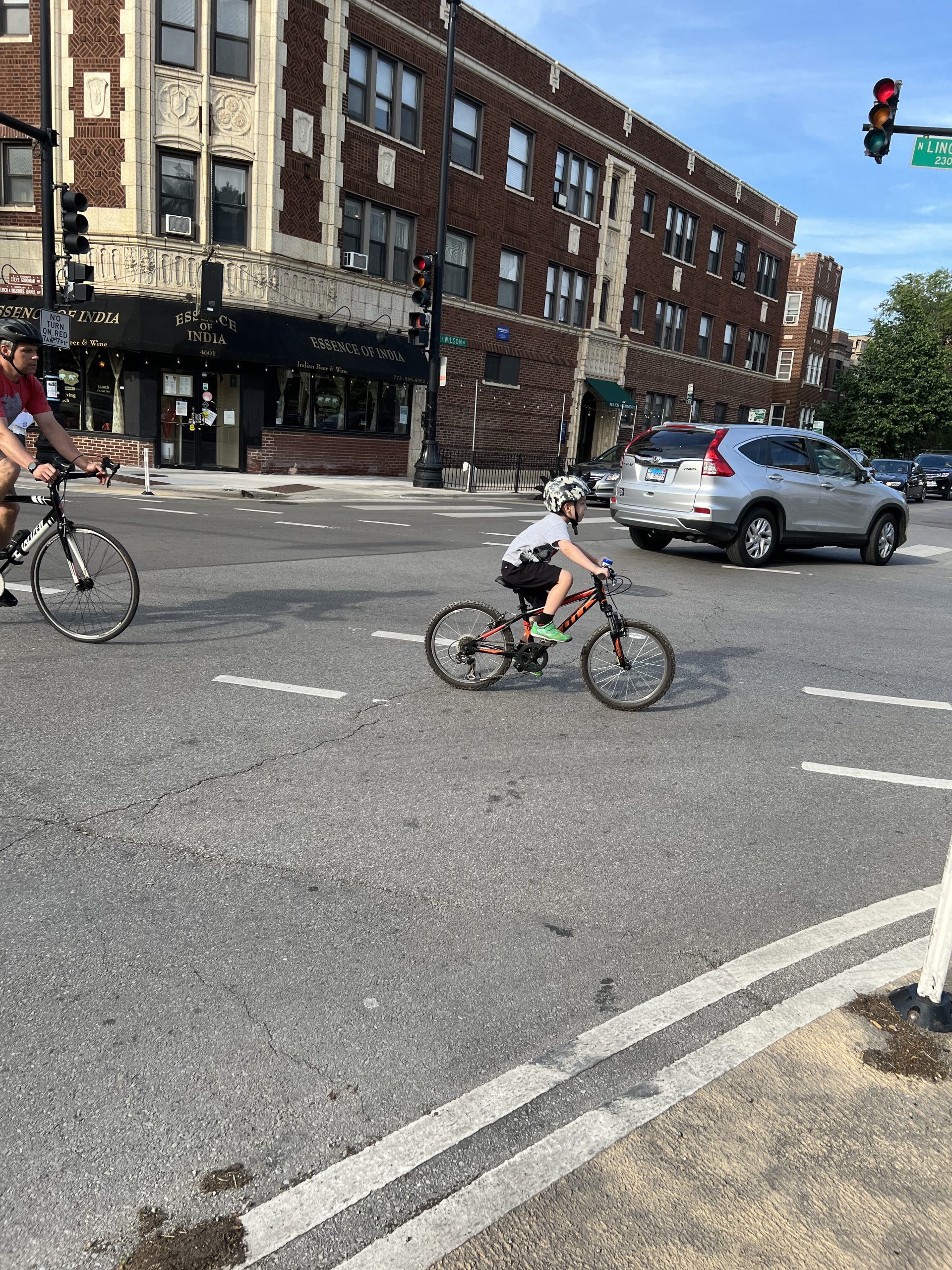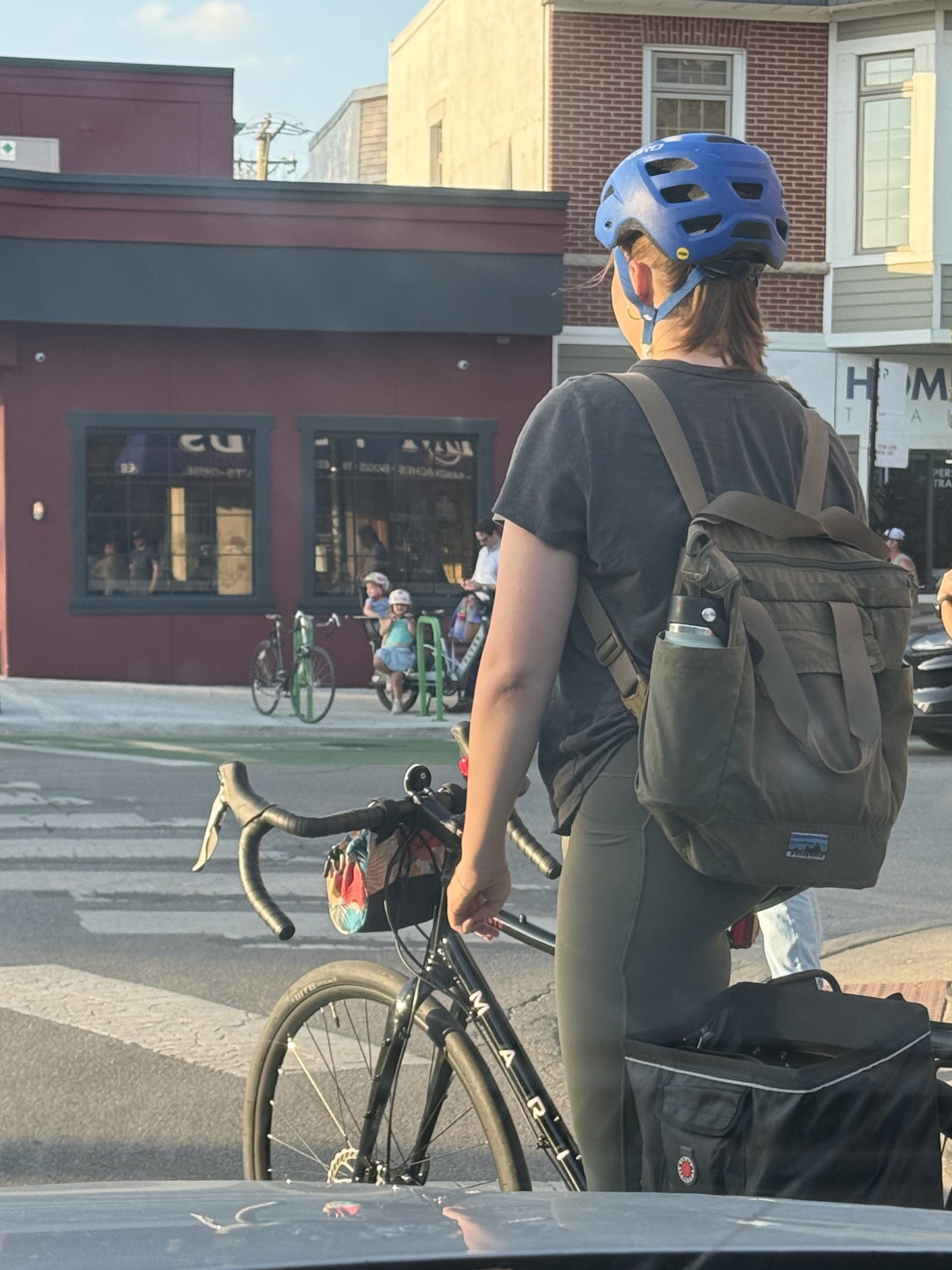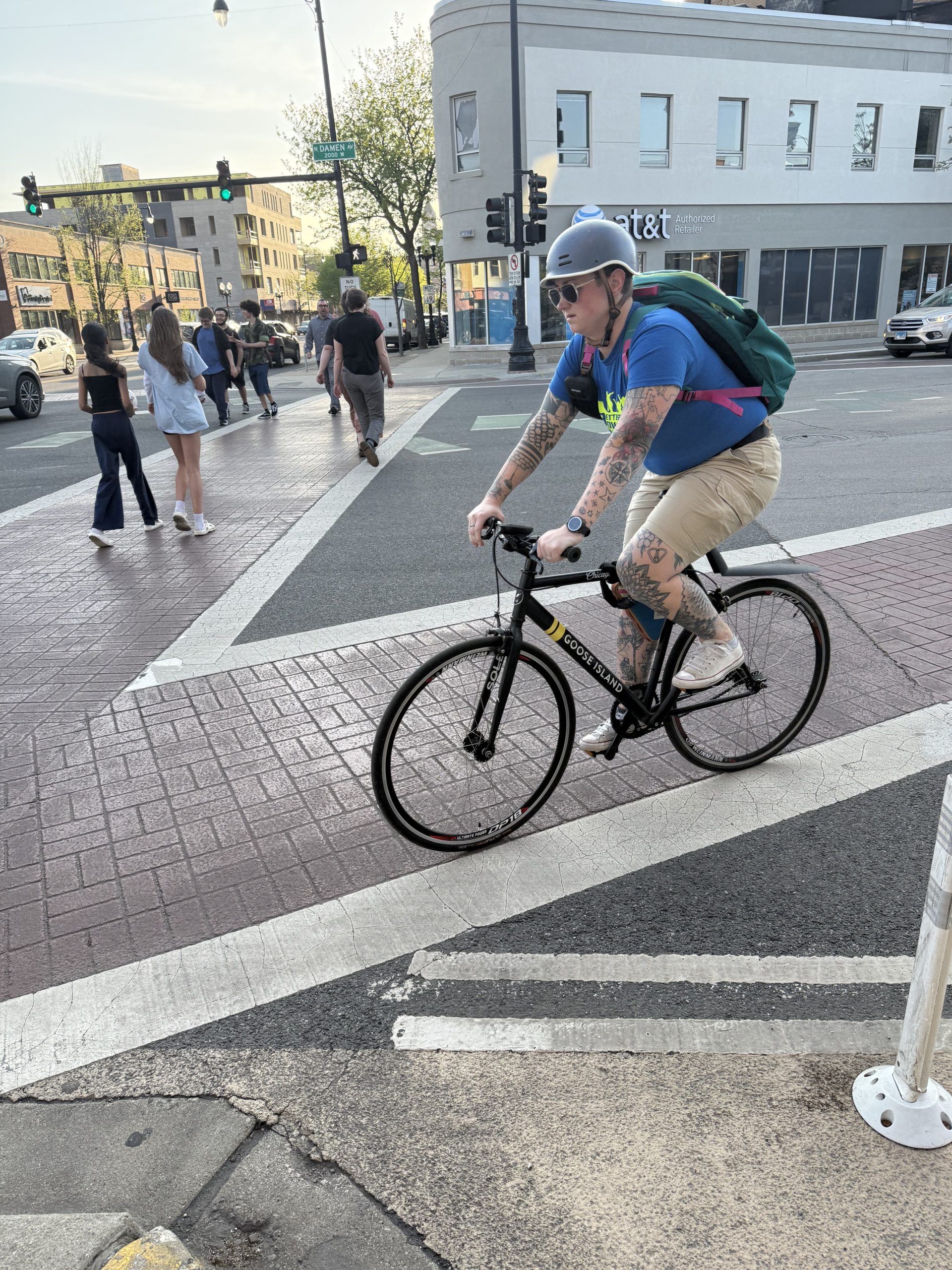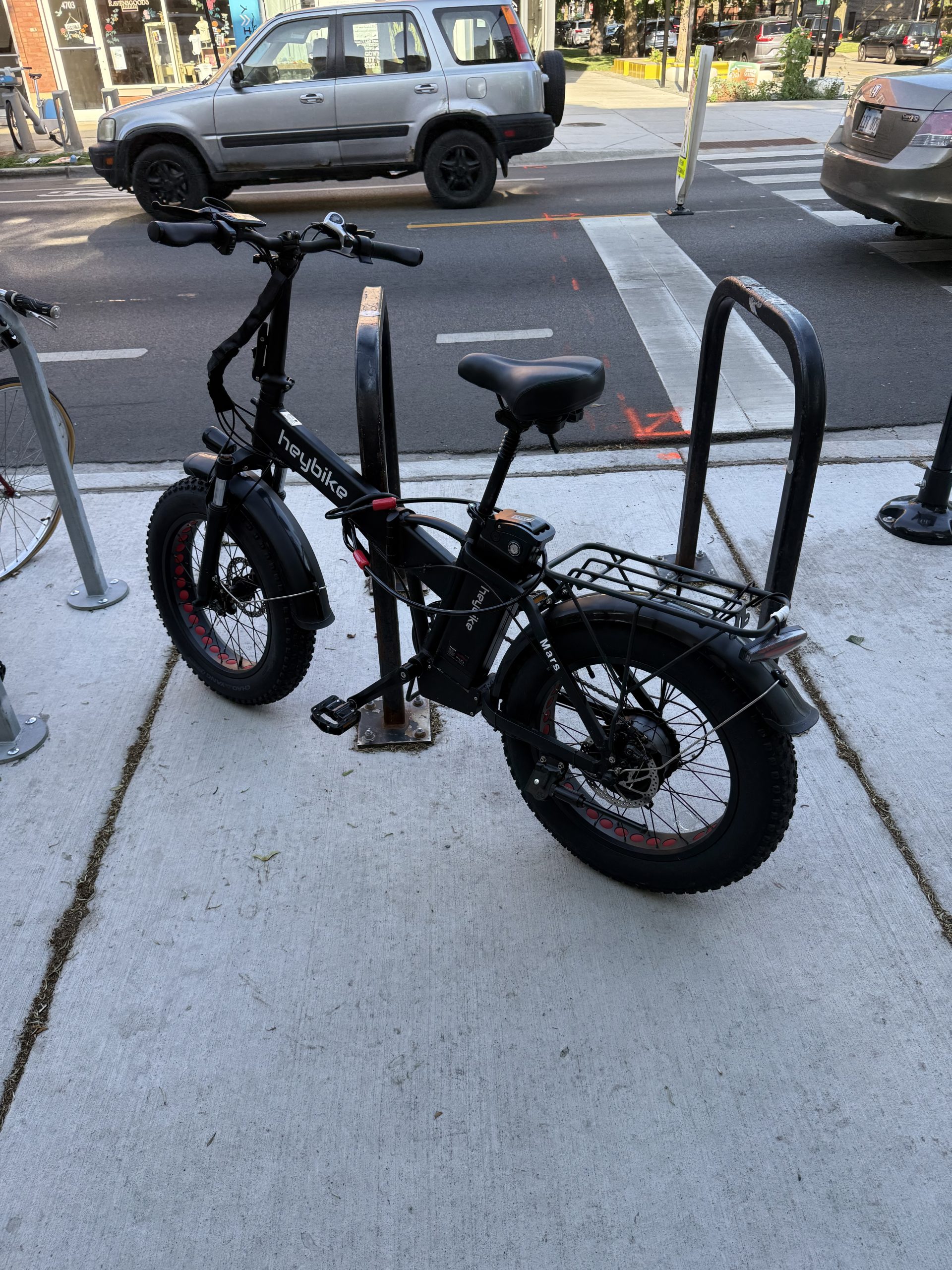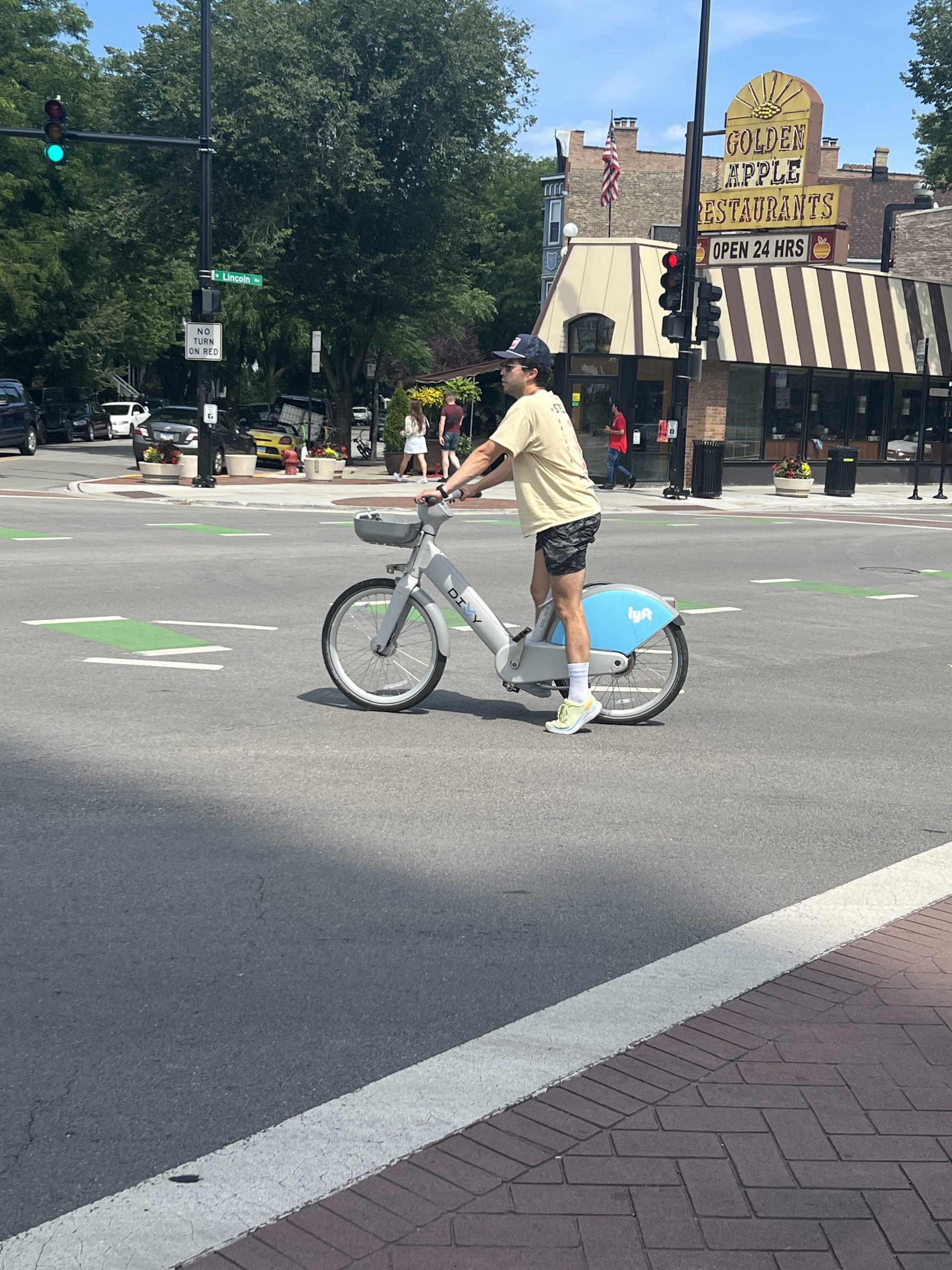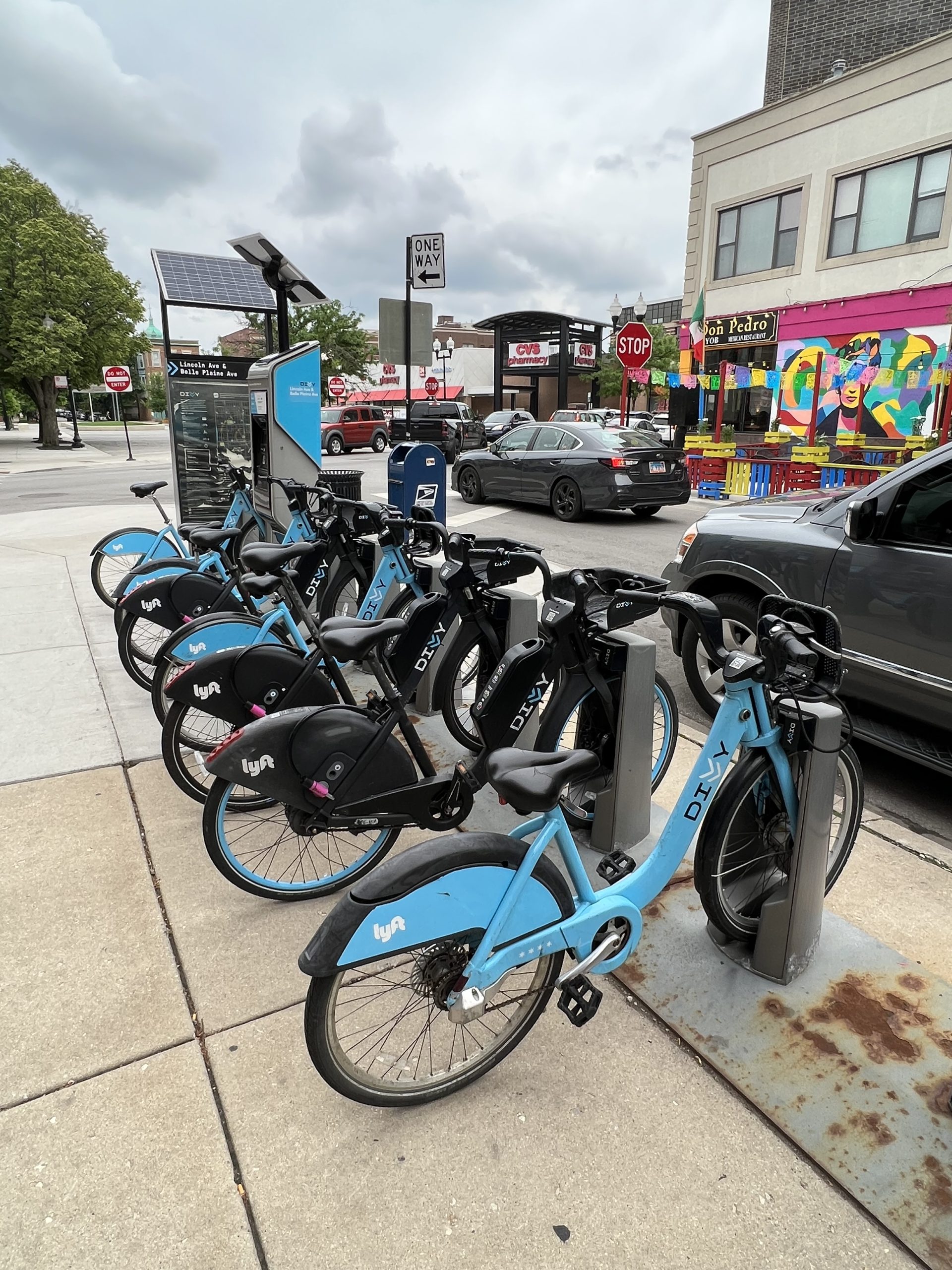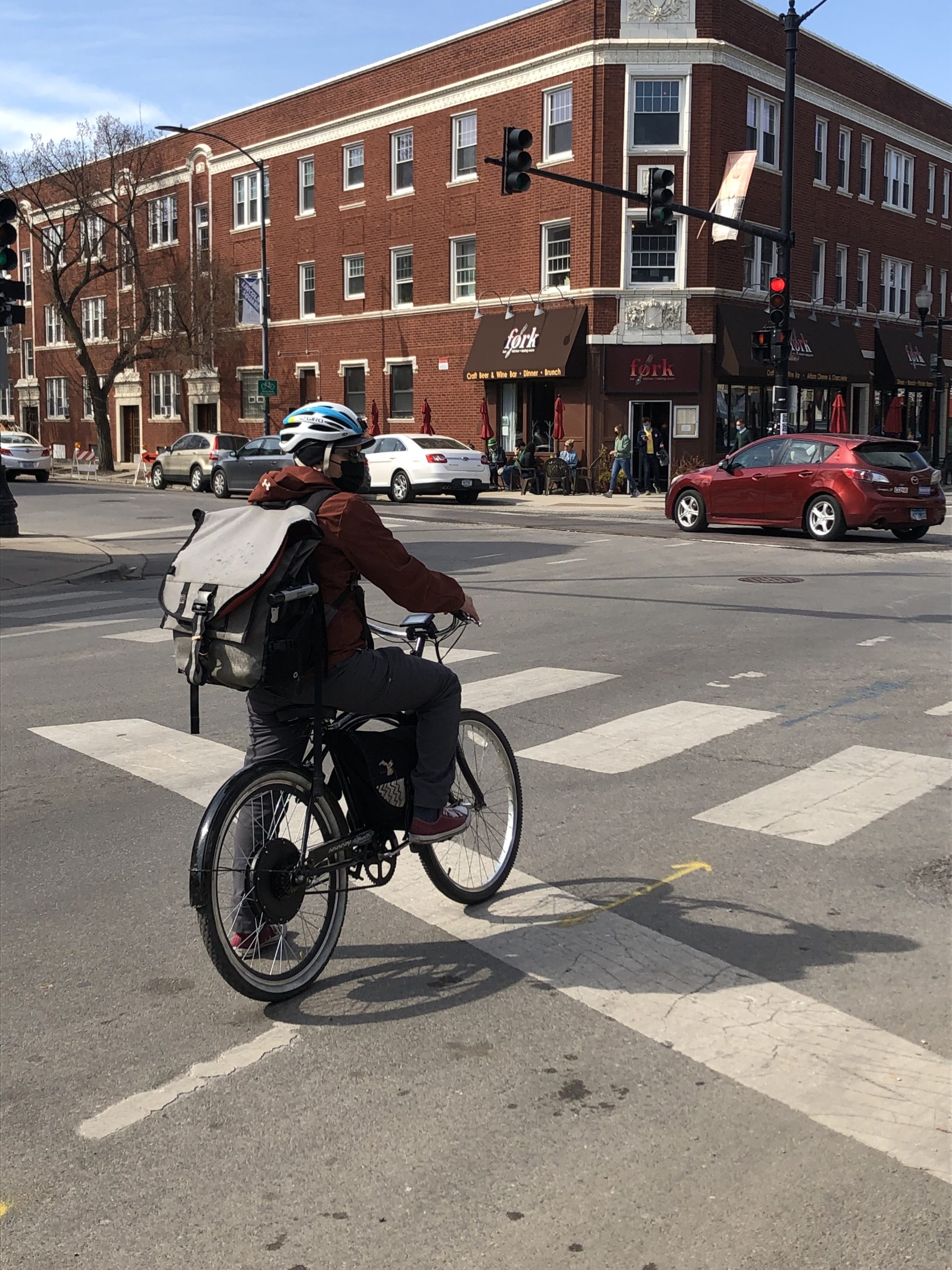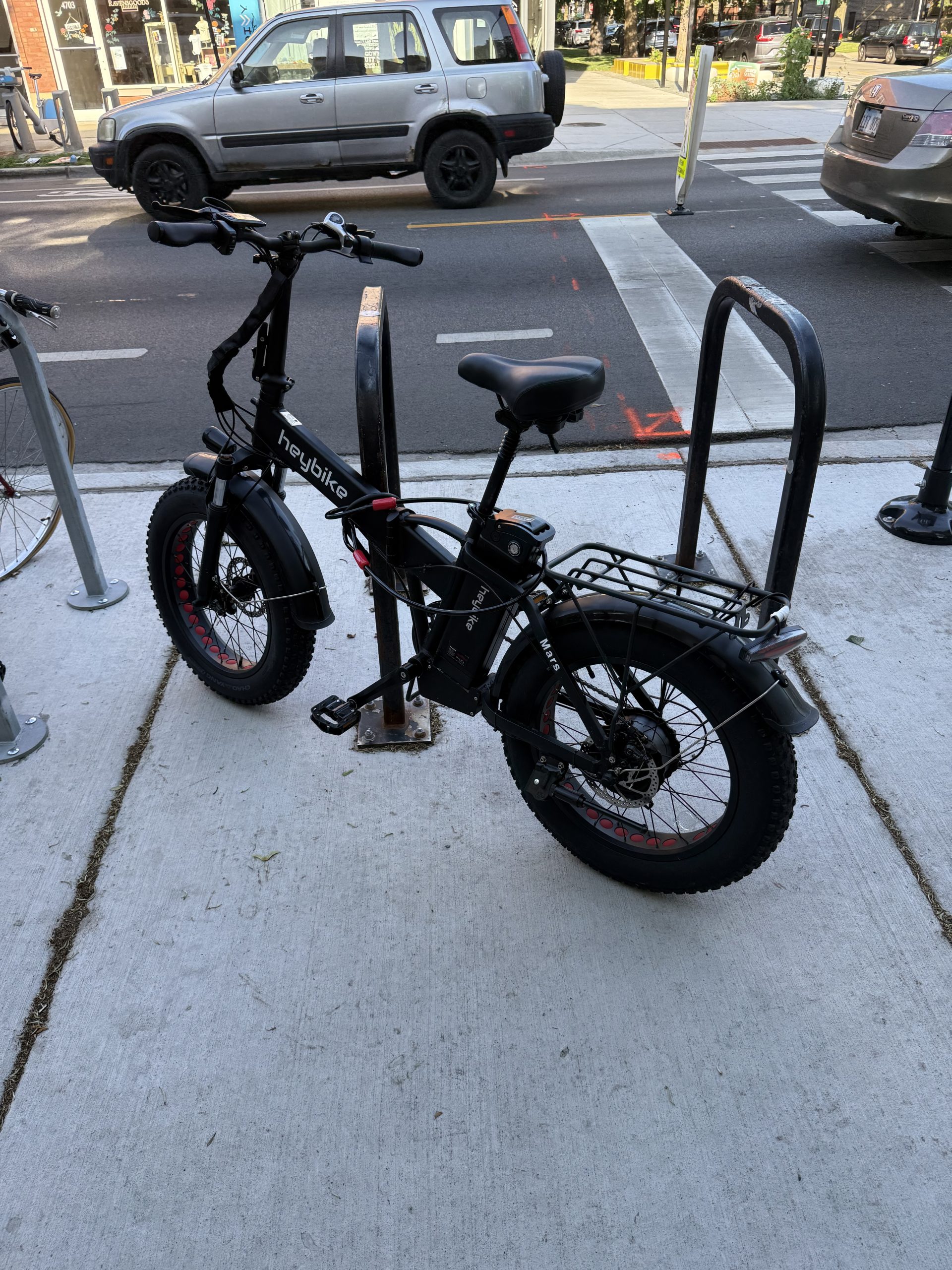
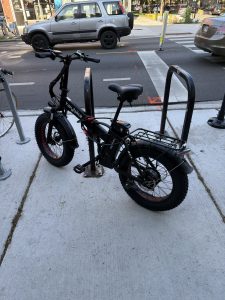
Electric bikes have become increasingly popular throughout Illinois, providing a convenient and affordable transportation option for thousands of riders. But as e-bike technology has evolved, so have safety concerns. Some of today’s high-powered electric bikes and e-motos can travel at speeds exceeding 28 miles per hour—fast enough to cause catastrophic injuries when collisions occur.
Recognizing these dangers, Illinois lawmakers recently passed legislation that would establish new statewide regulations for high-speed electric bikes, electric scooters, and similar micromobility devices. If signed into law by Governor J.B. Pritzker, the new rules will take effect on January 1, 2027. The legislation creates important distinctions between traditional low-speed e-bikes and faster devices that operate more like motorcycles. Among other requirements, certain high-speed electric bikes will now require registration, insurance, and a valid driver’s license. They will also be prohibited from operating on bike paths and bicycle lanes.
For individuals injured in e-bike crashes, these changes could have a significant impact on liability claims and financial recovery. The bike injury lawyers of Zneimer & Zneimer P.C. on how devastating it is for a person who is seriously injured by a uninsured person on a high speed electric bike to also be burdened with medical bills and lost income from not being able to work
 Chicago Accident Lawyer Blog