
February 10, 2010

Chicago’s Michigan Ave. a hot spot for auto accidents involving personal injury

Chicago Illinois is a major city, and like most large urban areas, tend to have a vast amount of auto accidents. Chicago’s Michigan Ave. seems to be a hot spot for, not just auto accidents, but accidents that involve personal injury.
A recent Chicago Sun-Times article highlights such accidents and injuries:
“Four people were critically injured in an auto accident on Michigan Avenue near Grant Park early Sunday.
At 4:10 a.m., police responded to an auto accident involving at least three vehicles at 450 S. Michigan Ave., according to police News Affairs Officer Hector Alfaro. Several people were injured, he said, but it was not immediately known how many.
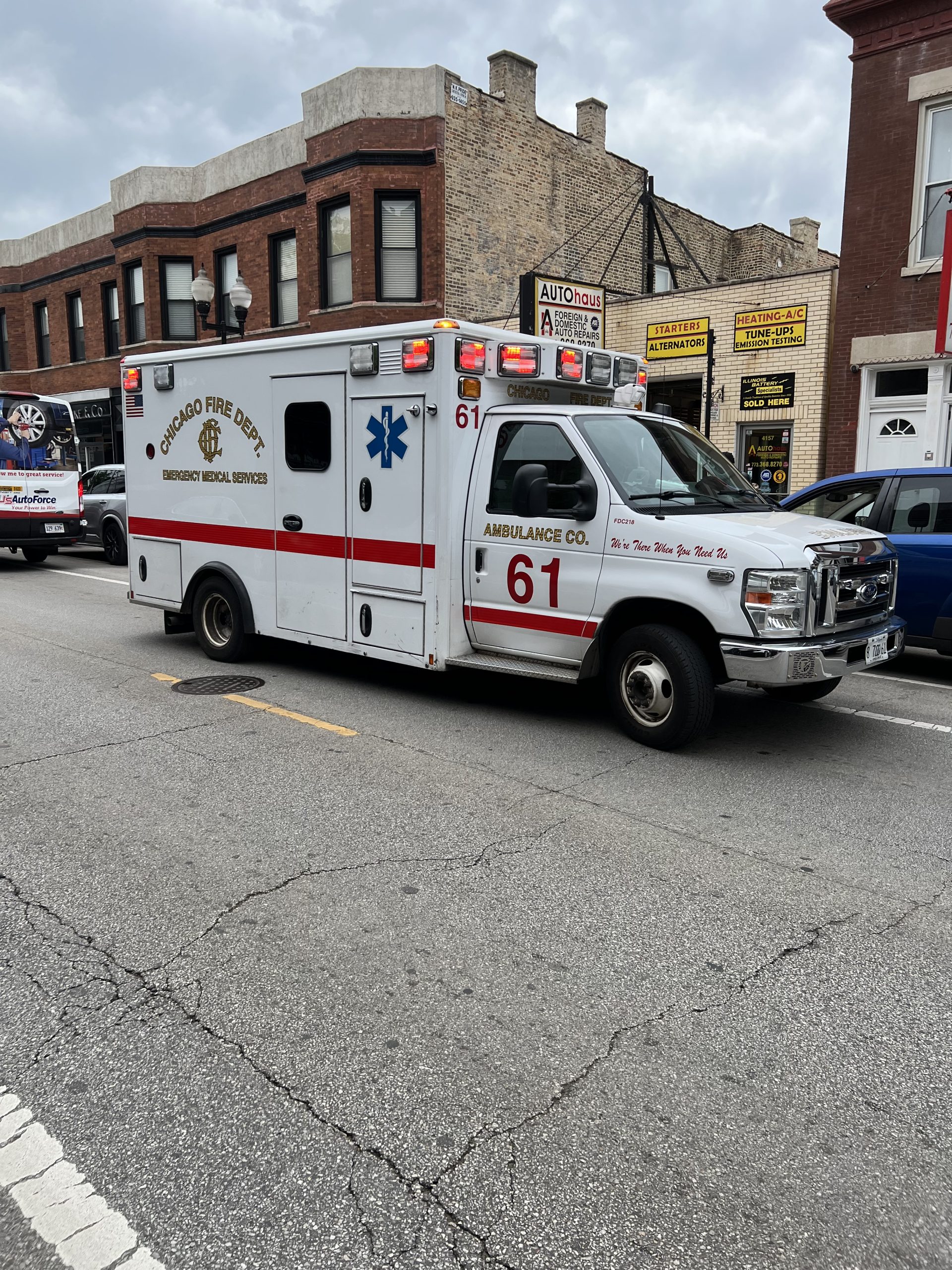
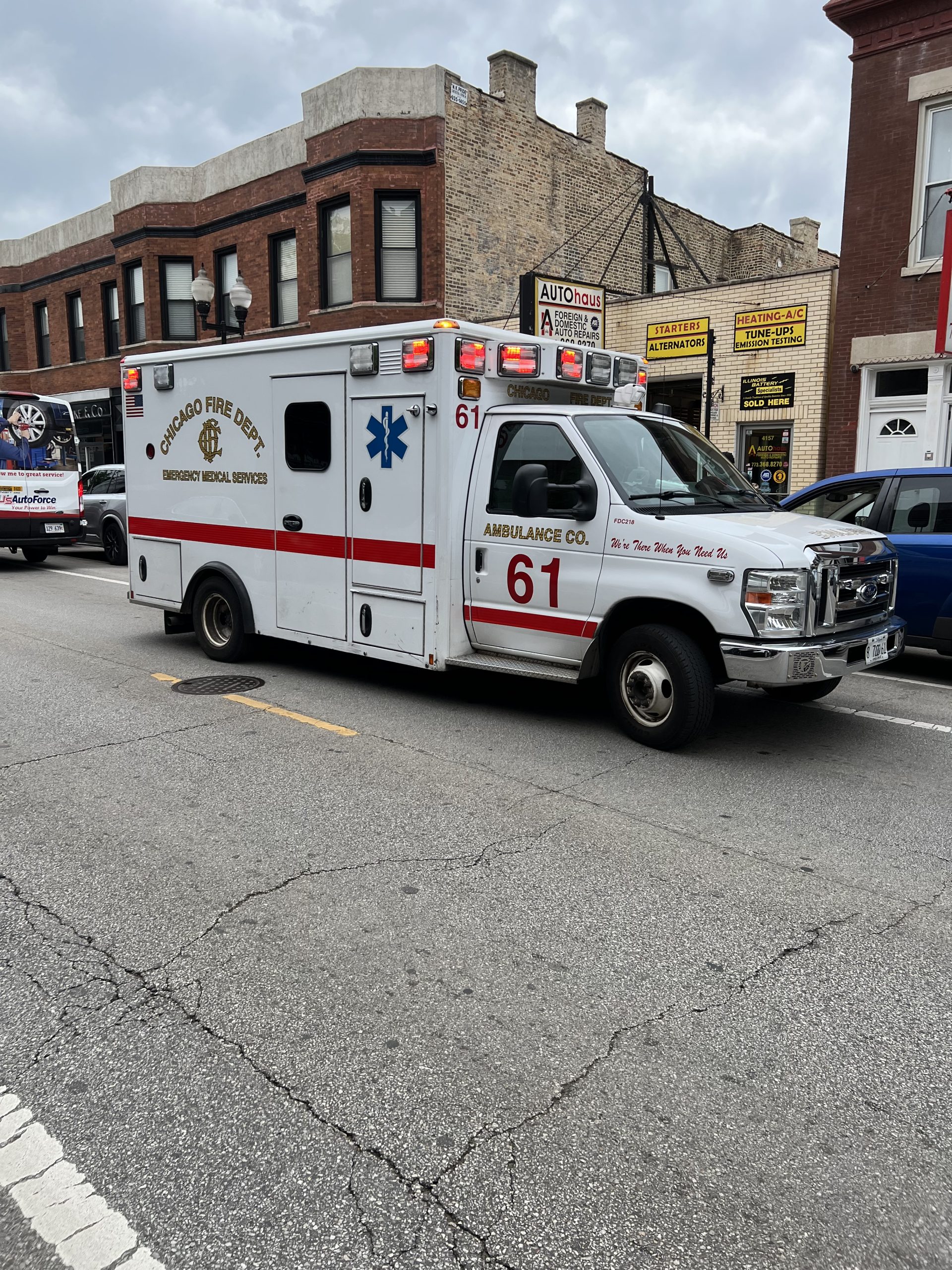
At 4:20 a.m., fire personnel were notified and responded to an auto accident at South Michigan Avenue and East Congress Parkway, according to Fire Media Affairs Chief Kevin MacGregor.
An EMS Plan 1 was called for the accident, he said. Four people were critically injured and several refused treatment.
Two people were taken in critical condition to John H. Stroger, Jr. Hospital of Cook County; one was taken in critical to Mount Sinai Hospital; and one was taken in critical to Northwestern Memorial Hospital, MacGregor s”
Driving in a city the size of Chicago, or any city, can be a hazardous activity, but when injuries tend to be common there needs to be some action taken. Whether it be, slow down, stricter traffic laws or compensation for personal injury, some action needs to be taken. When injured in an auto accident reporting such injury and seeking legal counsel is imperative to gaining the compensation deserved.
Accidents will always happen, drive safe, follow all traffic laws, and pay attention to other drivers. When all steps are followed and you have inevitably gotten into an accident, seek legal counsel, know your rights, and follow through with the steps to hold others accountable for their failure to do the same.

August 31, 2009

Chicago Launches Program To Reduce Nighttime Pedestrian Accidents

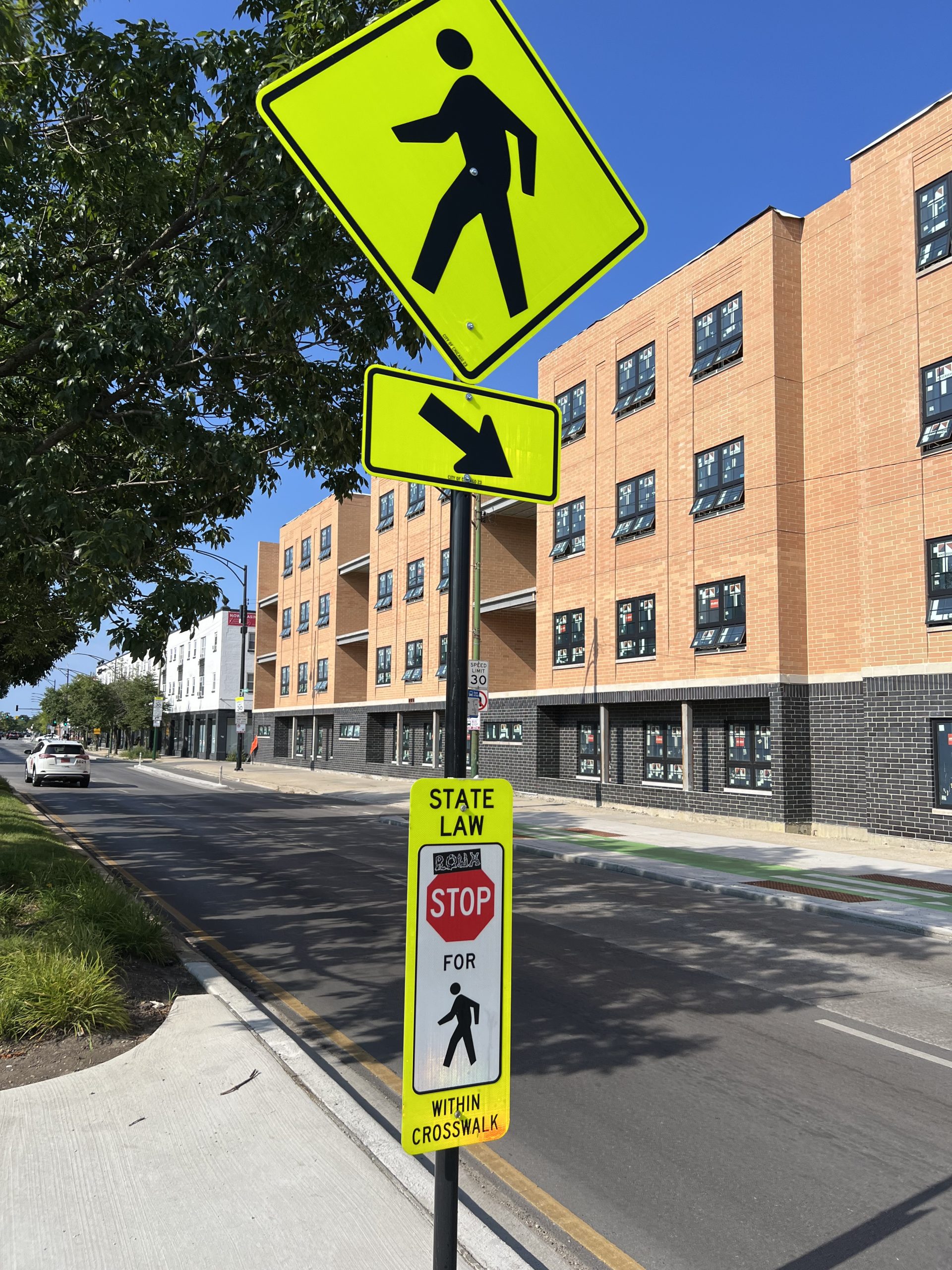
Chicago's Department of Transportation (CDOT) is teaming up with the Chicago Police Department to implement a new nighttime pedestrian accident reduction program. This innovative effort will focus on areas of the city that have had a high number of pedestrian accidents.

Analysis of Chicago nighttime pedestrian accident data for 2005-2007 found four areas of the city with high numbers of accidents: River North, Austin, Wrigleyville, and 79th Street (Ashland to the Dan Ryan Expressway). Several factors were involved in these accidents including speeding, alcohol use, and inattentive drivers. In the Wrigleyville neighborhood, alcohol use and driver inattention were the two main factors in pedestrian accidents. These four areas of the city will be targeted in the nighttime pedestrian accident campaign.

Efforts to reduce the number of nighttime pedestrian accidents include increased speed limit enforcement, education outreach to bars, restaurants and taxi companies, and continuation of the crosswalk enforcement initiative. Undercover police officers posing as pedestrians will be making sure that motorists yield to pedestrians in crosswalks as required by law. Motorists who fail to yield to a pedestrian in crosswalk can face fines from $50 to $500. Pedestrian safety-related improvements include speed humps and curb bumpouts to slow vehicles, pedestrian-countdown signals that let a person know how much time they have to finish crossing the street, and new pavement markings.

The nighttime pedestrian accident reduction program is being conducted in conjunction with the National Highway Traffic Safety Administration and Western Michigan University (WMU). The program is being paid for with federal funds received by WMU. The program will use off-duty police officers and will be ongoing through the fall.

June 17, 2009

Pedestrian Who Breaks Leg In A Pothole Gets Verdict Against City of Chicago


A Chicago jury awarded plaintiff, Martha Aguado $227,201 in her case against the City of Chicago for a broken patella she suffered as a pedestrian as a result of falling in a pothole in a crosswalk at Western Ave. and Foster Ave. in the City of Chicago. The plaintiff claimed that a puddle covered up the hole. When the jury was asked whether the condition of the City of Chicago's crosswalk/sidewalk presented an unreasonable risk of harm on the premises, the jury answered "yes".

April 26, 2009

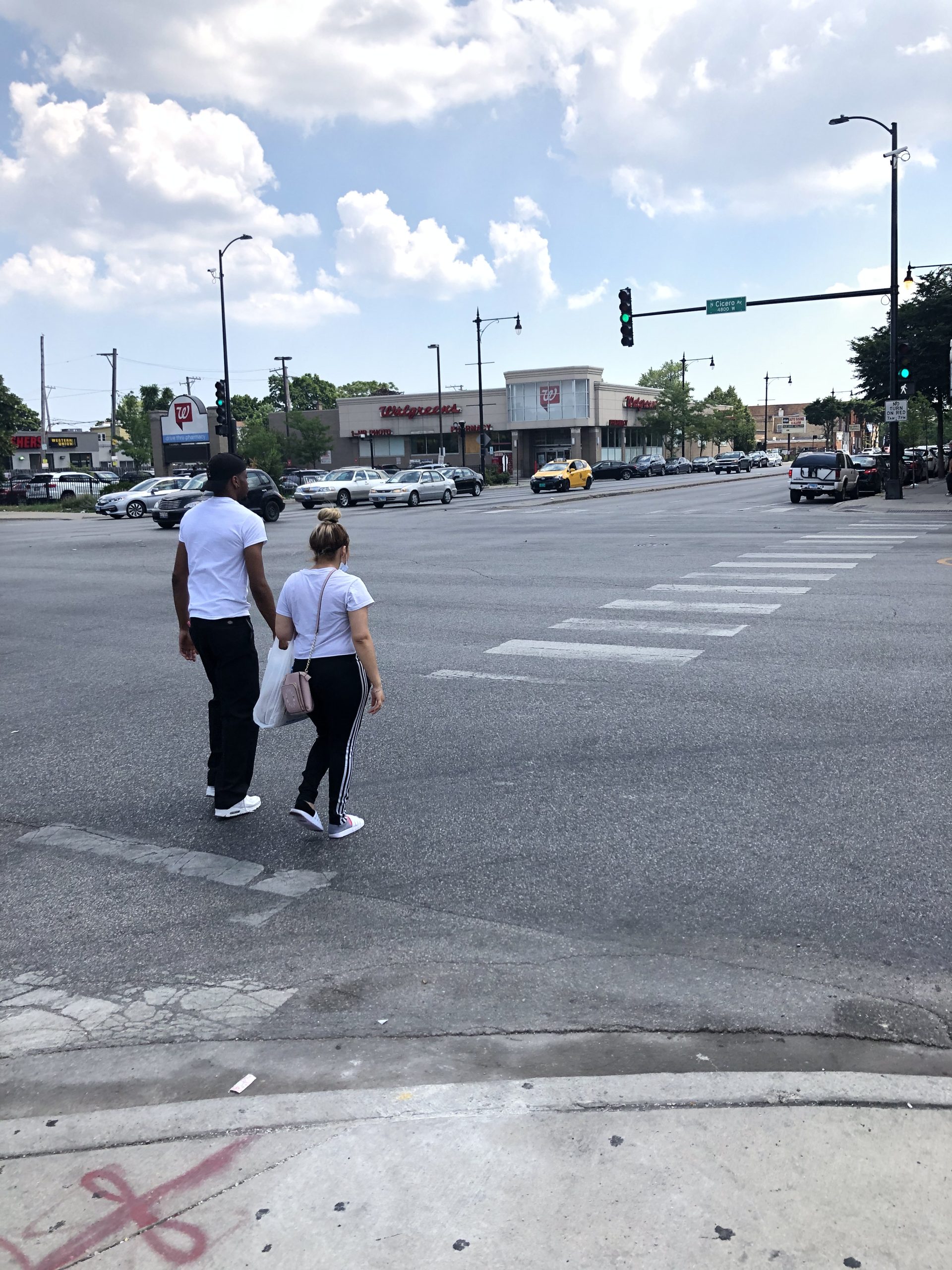
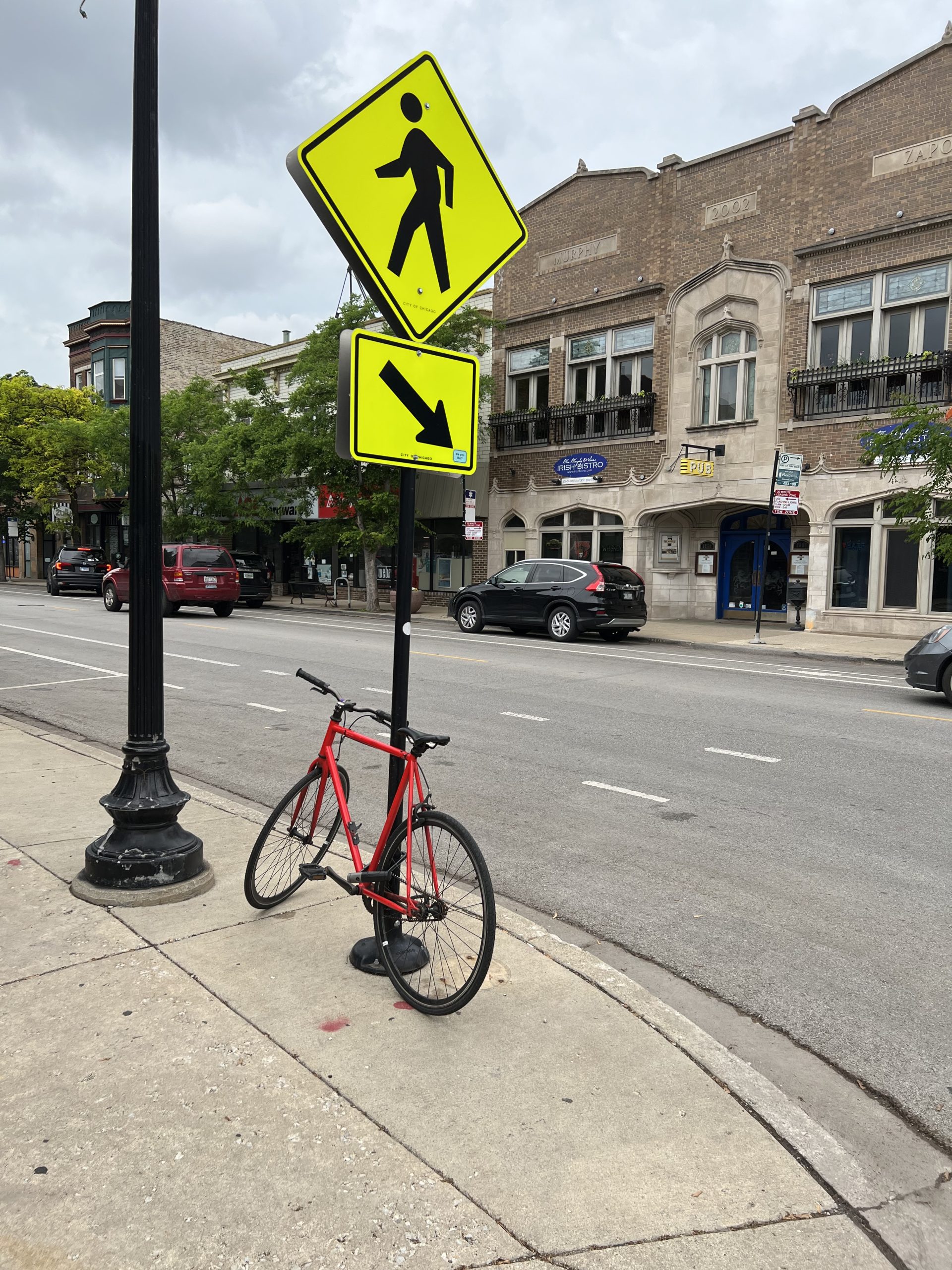
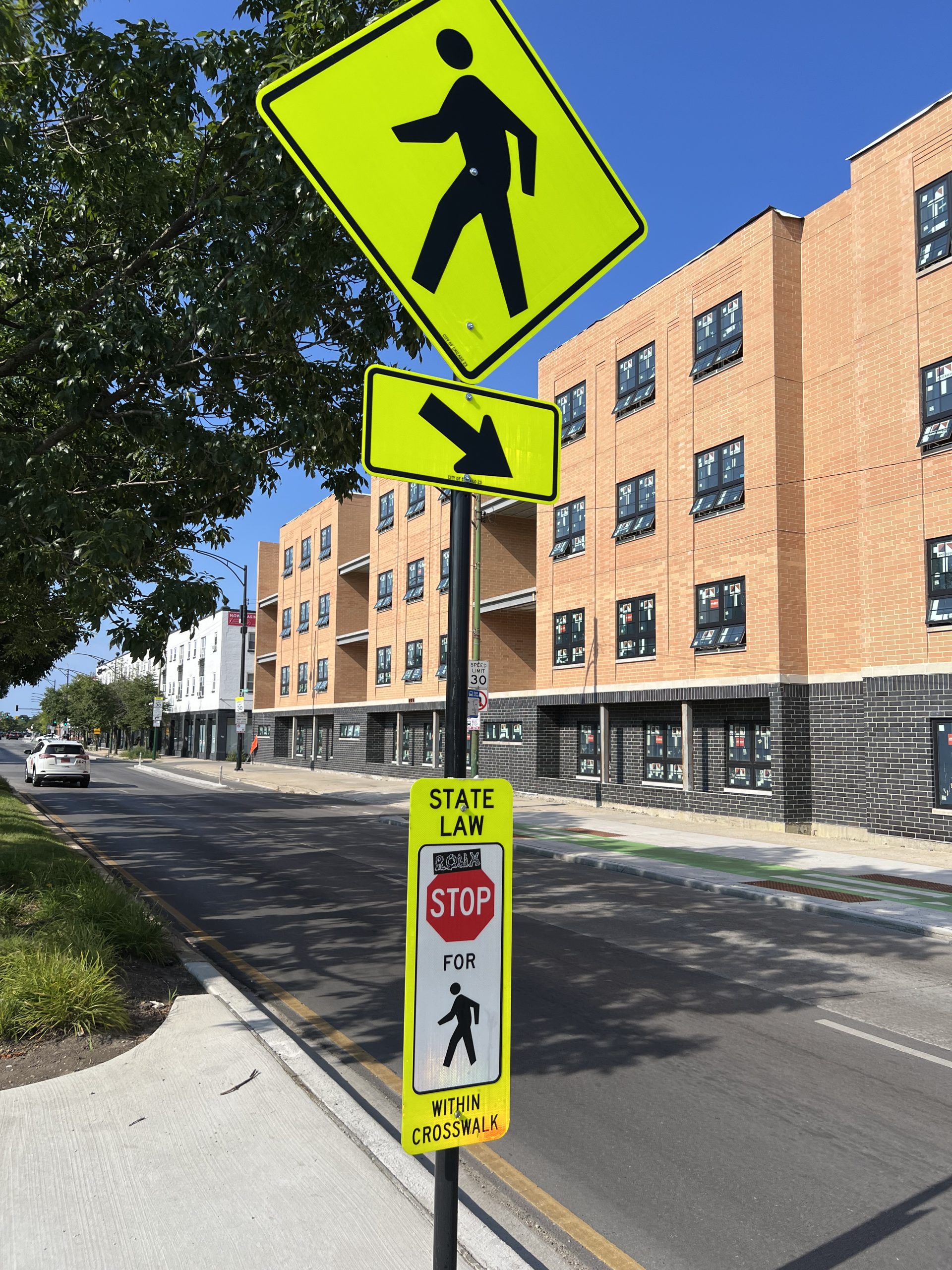
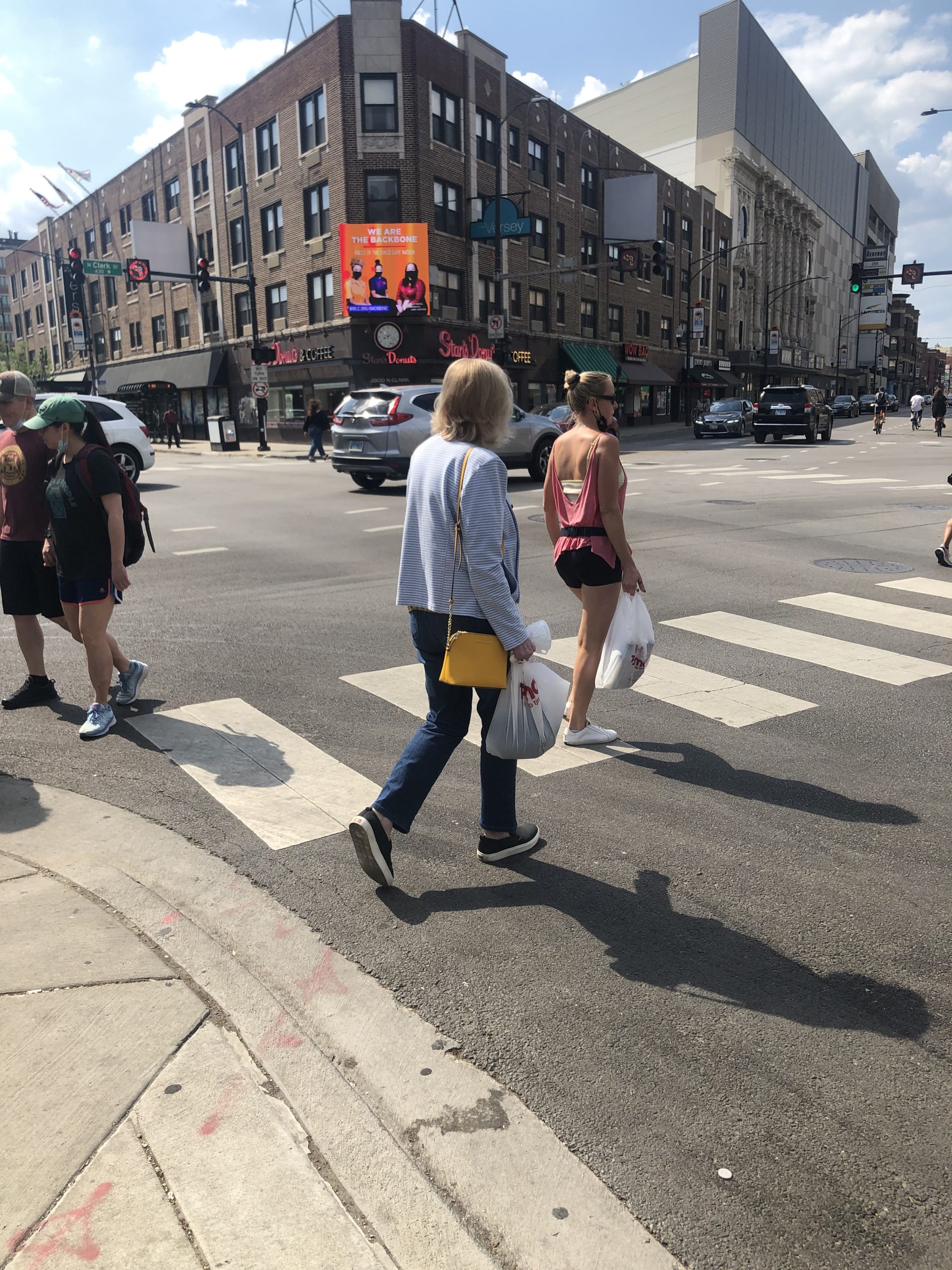
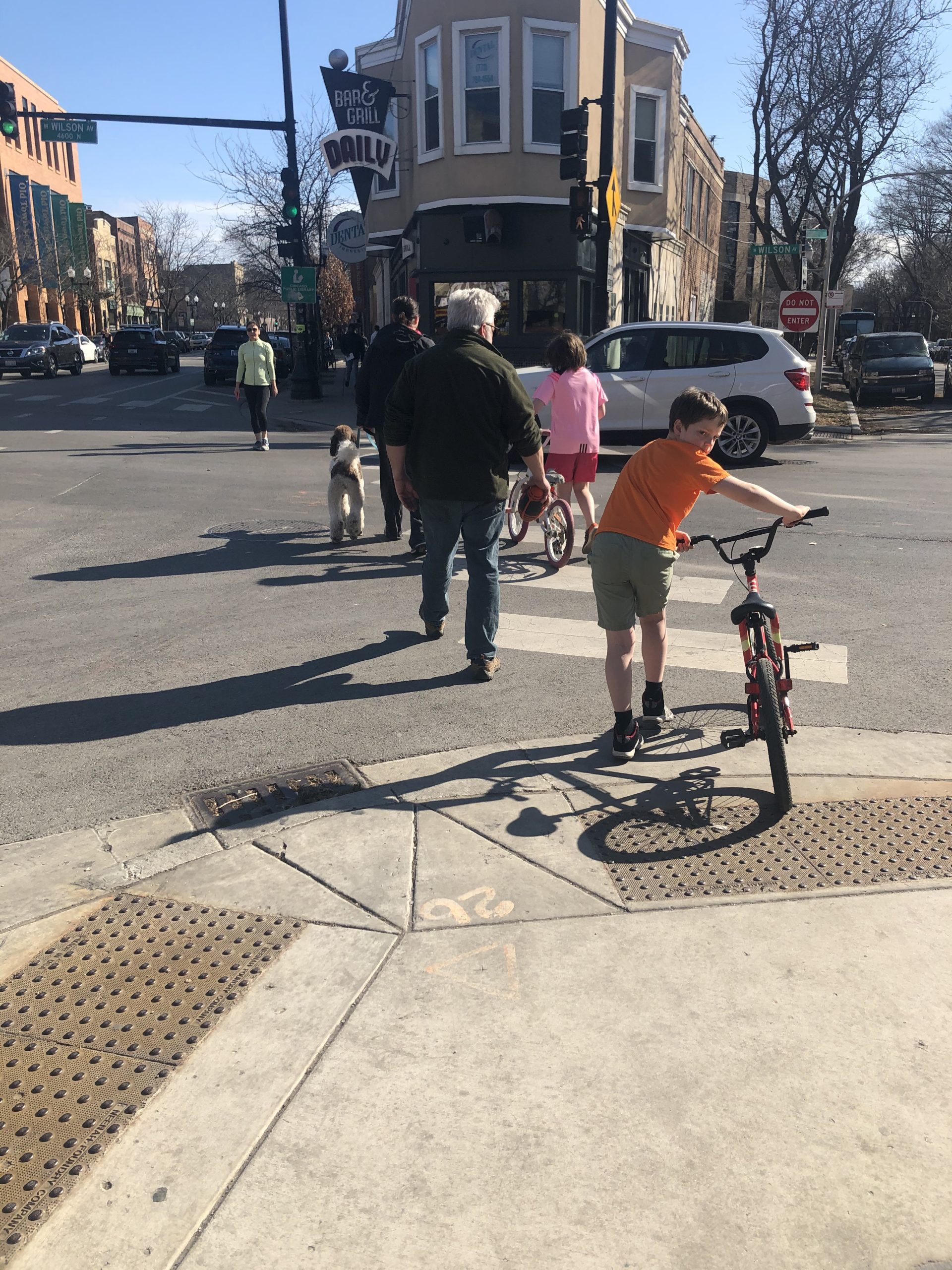
Chicago Police To Enforce Crosswalk Laws


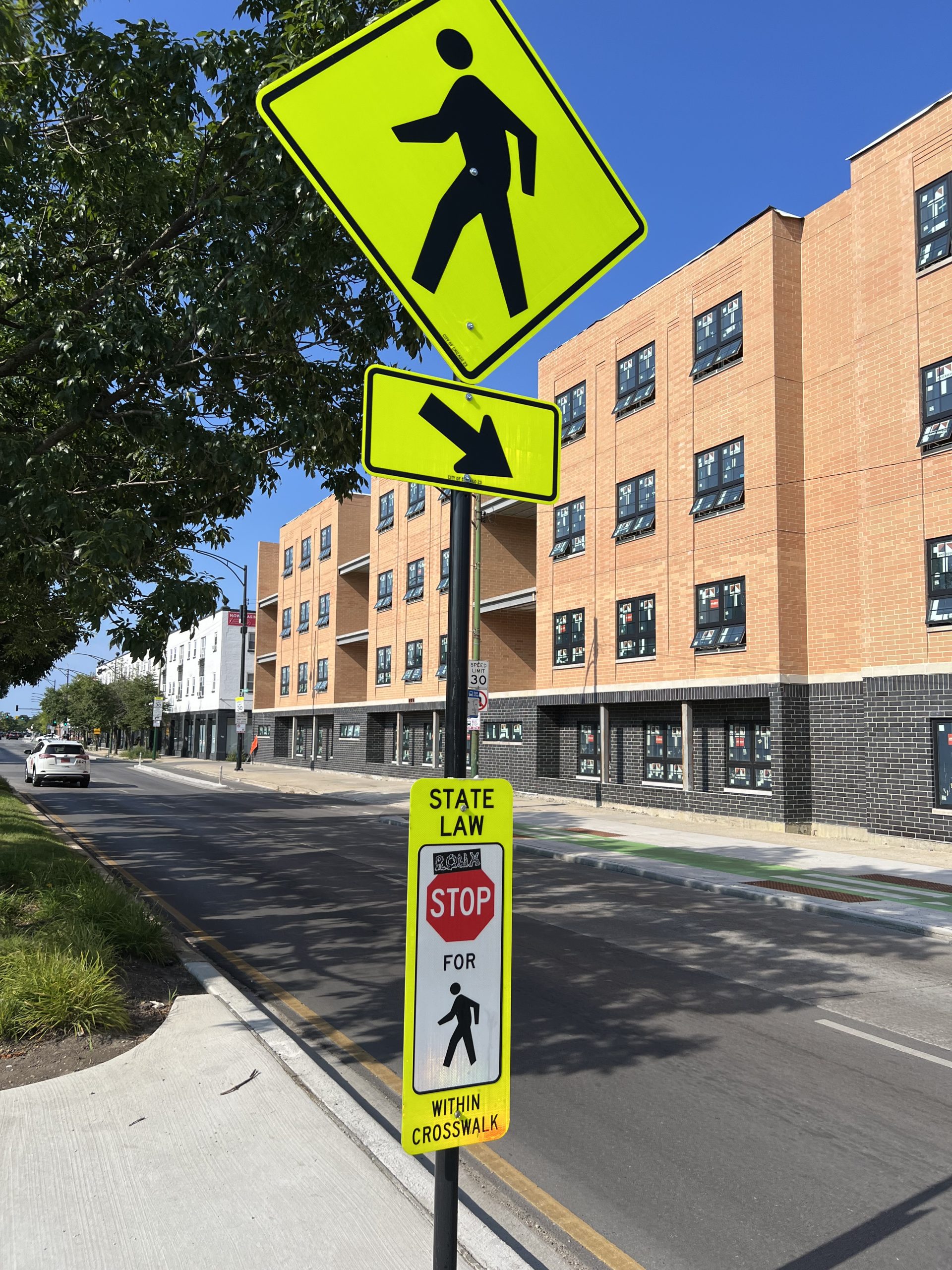
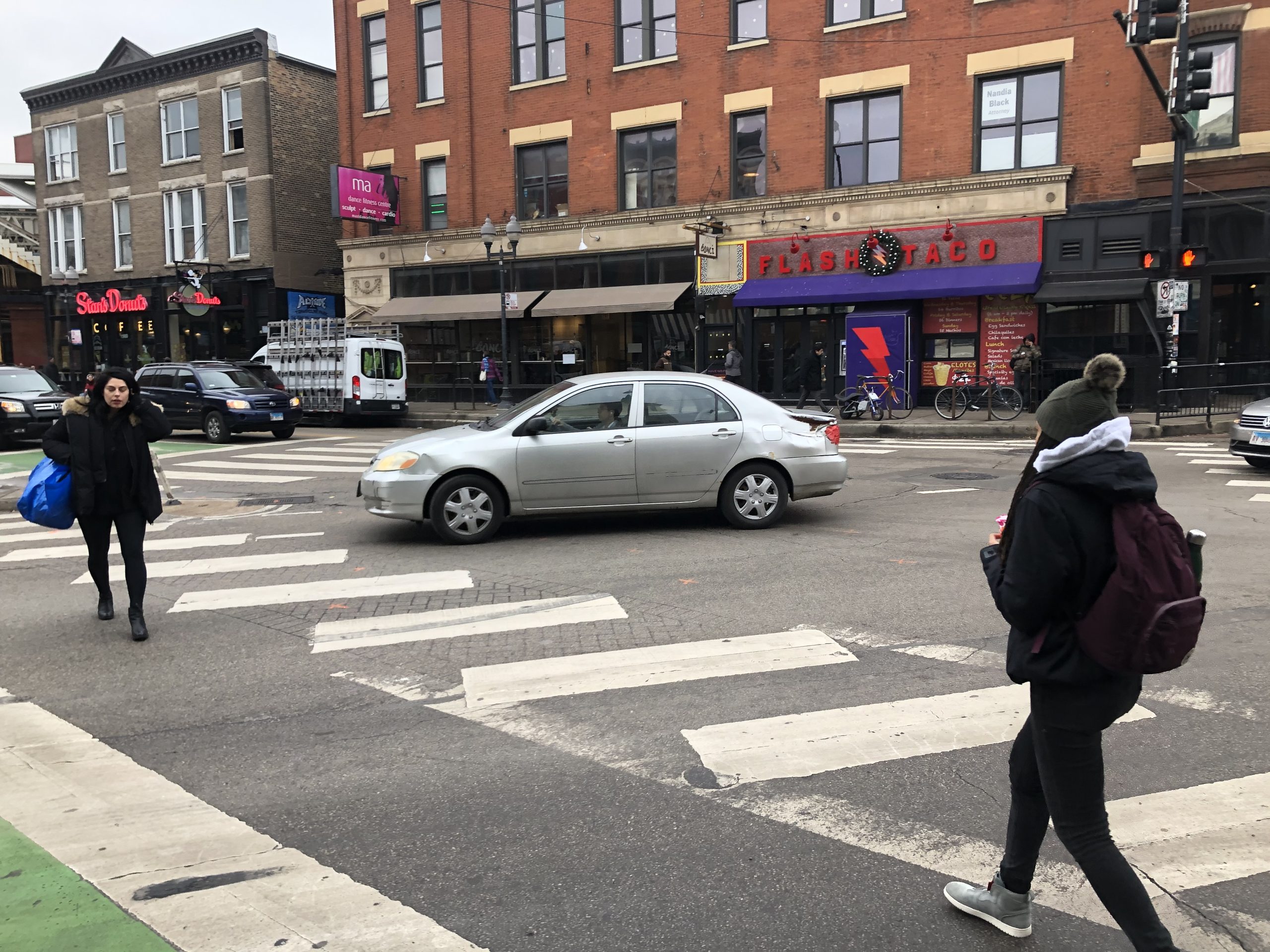
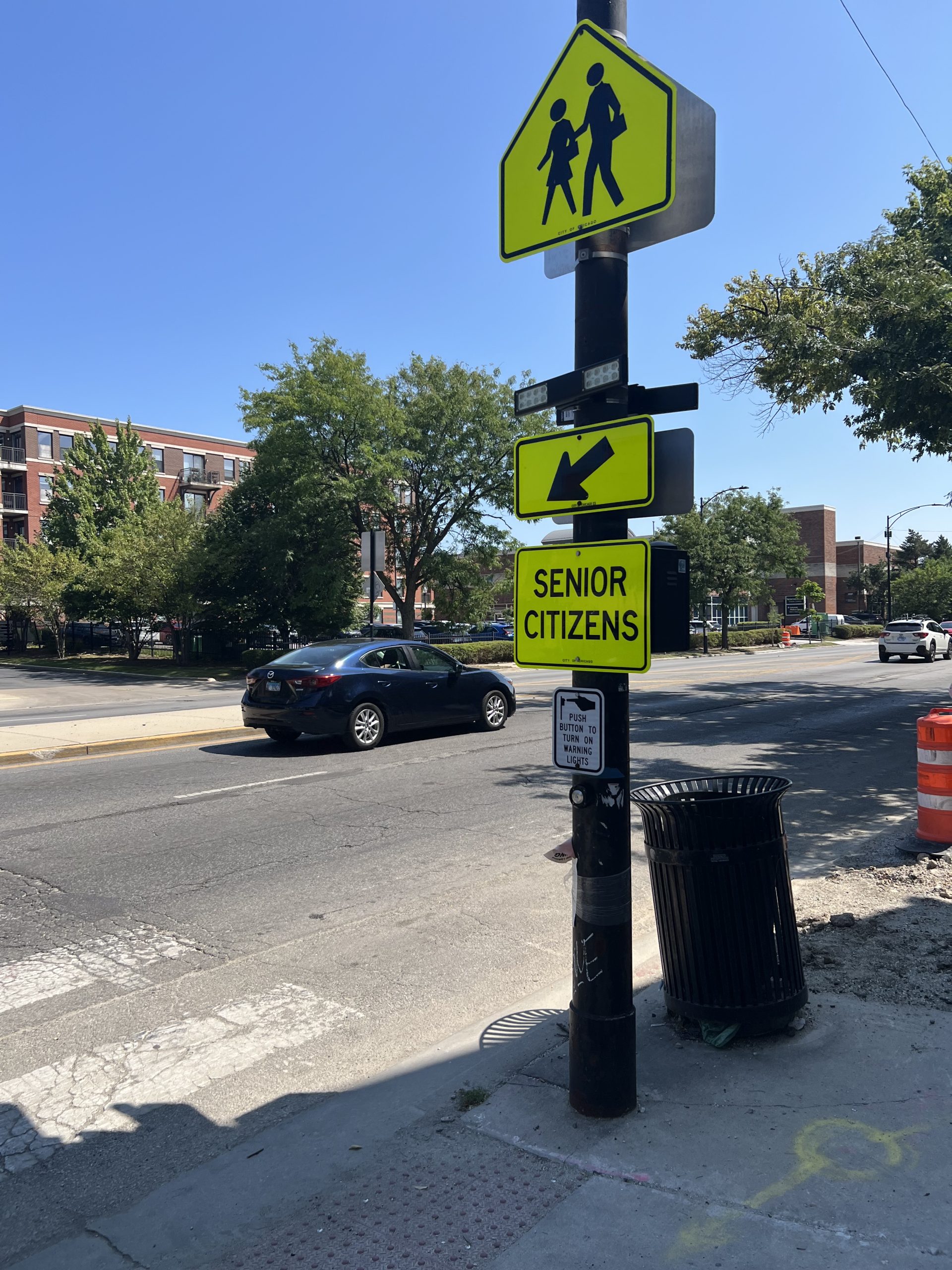
This week Chicago police will begin pulling over drivers who do not yield to pedestrians in a crosswalk. Moving-violation ticket fines range up to $500.00. The city will use plainclothes police officers posing as pedestrians at intersections without stop signs to implement the sting operation.

Additionally, legislation has been introduced in the Illinois Senate that will require Illinois drivers not only to yield but to come to a full stop when pedestrians are in a crosswalk. Violators would face a minimum $150.00 fine.

National Highway Traffic Safety Administration statistics show that there have been more than 6,000 auto-pedestrian crashes in Illinois, with more that 3,000 of these accidents occurring annually in the city of Chicago.

It would help if Chicago police vehicles would take the lead and set an example and stop for pedestrians in crosswalks. Any resident of Chicago can attest to the fact that Chicago police vehicles simply do not yield to pedestrians in crosswalks and if a pedestrian was foolish enough to to walk in front of a Chicago police vehicle, he would likely add to the statistics.

September 22, 2008

Arlington Heights Pedestrian Killed By Jeep

An Arlington Heights man was killed today as he walked through a commercial strip near his home. Arthur Tidd was a pedestrian walking across Algonquin road when he was struck by a Jeep Wrangler. The driver stopped after the accident. Rolling Meadows paramedics took Mr. Tidd to Northwest Community Hospital where he died a short time later.

August 4, 2008

71 Pedestrians Killed Each Year In Chicago

71 pedestrians are killed and 930 are seriously injured every year in Chicago according to a Chicago Suntimes article published today. Nearly one-third of the pedestrian accidents are hit-and-runs.

Anyone who lives in Chicago knows that drivers do not stop at crosswalks in Chicago like they do in other cities. For example, on trips to Santa Fe, Sarasota, and Salt Lake City, I was surprised that drivers actually stop for pedestrians waiting at cross-walks in those cities.

The city of Chicago has been trying to step-up enforcement by operating stings this June in which undercover officers pretend to be a pedestrian using the crosswalk. The police issued 101 warnings to drivers who failed to yield to pedestrians in less than two hours. What is ironic about the Chicago Police trying to enforce laws requiring drivers to yield is that Chicago Police in squad cars almost never yield for pedestrians waiting at cross-walks. Maybe the Chicago Police should lead by example.

July 30, 2008

Weird Traffic Facts about Drivers, Accidents, and Driving

In his new book "Traffic: Why We Drive the Way We Do" Tom Vanderbilt uncovered a lot of surprising information by digging into driving studies. For example:

- Drivers honk less on weekends.

- Pedestrians on cell phones take longer to cross the street, and look at traffic less often

- More people are killed legally in crosswalks than jaywalking.

- Half of all traffic fatalities happen at impact speeds of less than 35 mph.

- 350 people die every year entering the freeway the wrong way; at least 50 are killed by cars in driveways

- "Children at Play" signs do not reduce speed or accidents

- Car drivers drive closer to helmeted cyclists (and further from cyclists who appear to be
women).

July 29, 2008

Chicago Texters Get Hit By Cars

Northwestern Memorial Hospital emergency room in Chicago sees about one pedestrian accident victim a day because they or someone else was walking and texting at the same time according to Dr. James Adams, the hospital's chair of emergency medicine.

Distracted texters fall down stairs, run into objects, and it is not unheard of for bicycle riders and rollerbladers to end up in the emergency room after crashing while texting.

Facial injuries are common since a texter is typically using both hands to text and is less likely to break his or her fall with their hands according to Dr. Adams.

Source: Monifa Thomas, Chicago Sun-Times, July 28, 2008