Articles Posted in E-bike Accident

IMG_0009-225x300IMG_3709-225x300
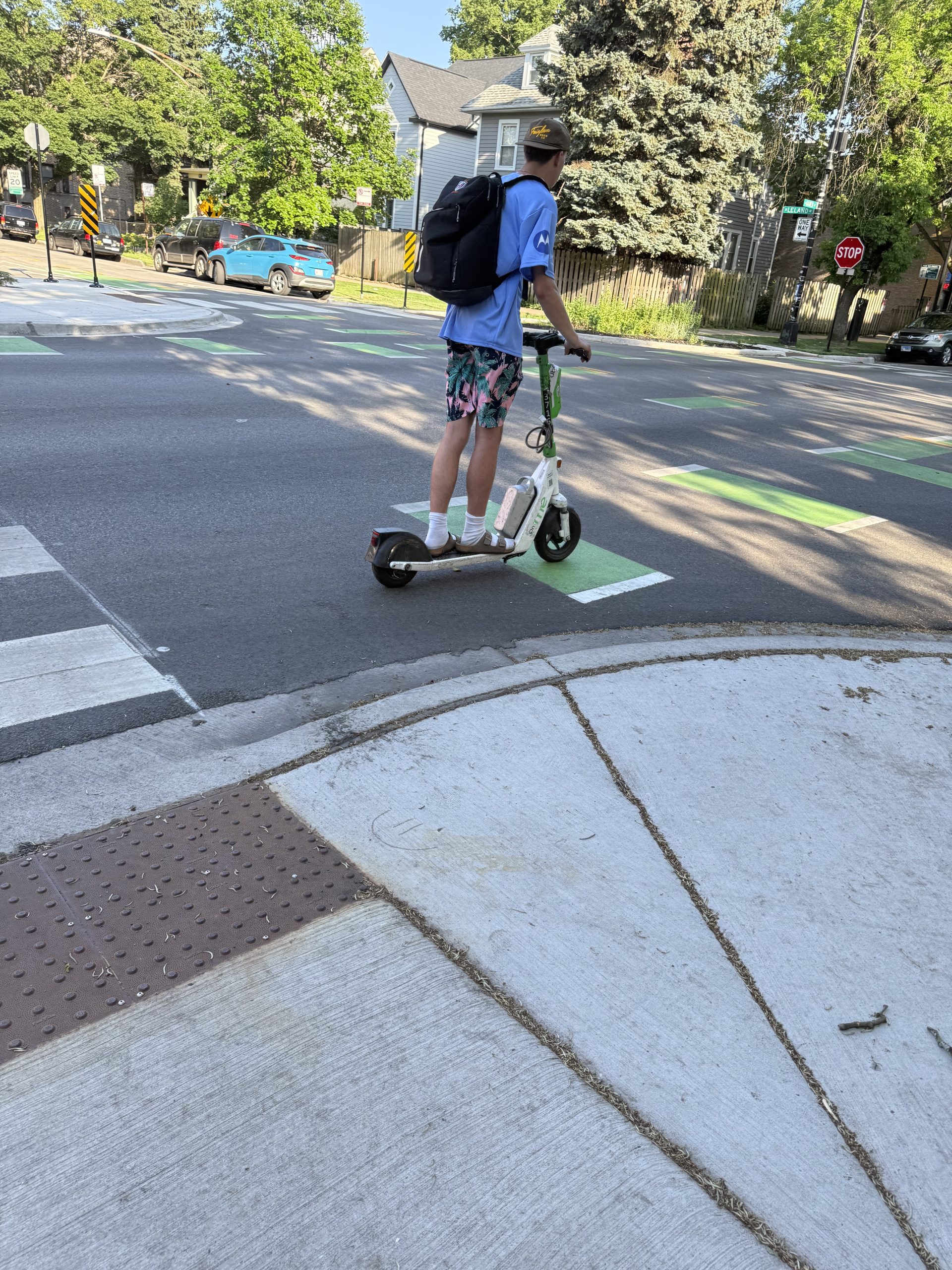
Concrete islands, curb extensions and so-called “bump-outs” are often installed on Chicago streets in an effort to slow traffic, shorten pedestrian crossings or organize parking and traffic lanes. When properly designed and clearly marked, these improvements may serve an important safety purpose.

But when a concrete bump-out suddenly extends into the path of a bicyclist or e-scooter rider, particularly when it is difficult to see , the supposed safety improvement can itself become a serious hazard.

A recent tragic e-scooter death in Chicago demonstrates just how serious this problem can be.
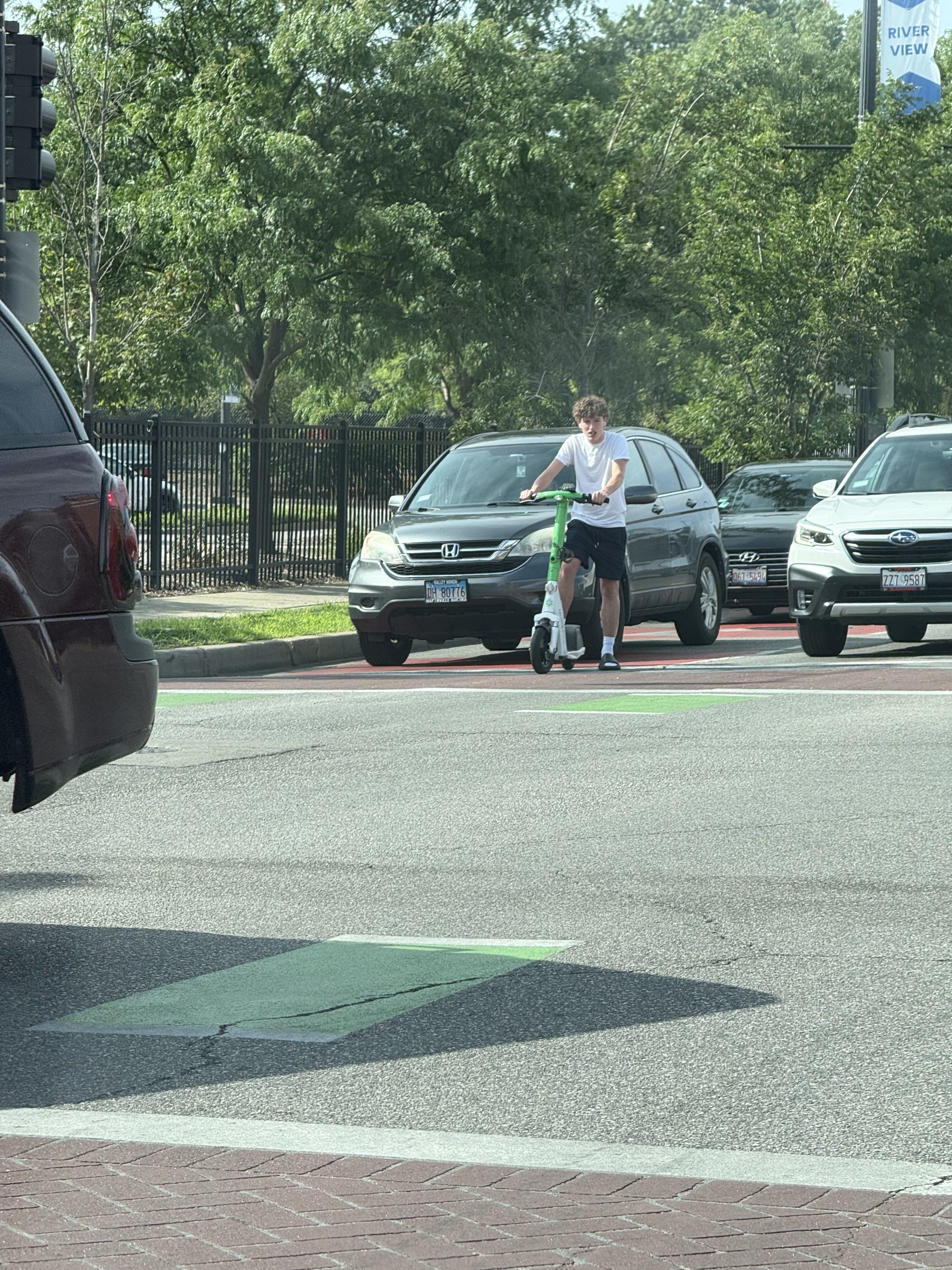
An e-bike rider may suffer the same physical impact as a motorcyclist while receiving far less protection. The rider has no passenger compartment, airbag, seat belt, or structural frame. A turning vehicle, open car door, blocked bicycle lane, pothole, broken pavement, or unsafe path can produce a head injury, fracture, spinal injury, or permanent scarring in seconds.

Determining legal responsibility requires more than identifying where the rider fell. A lawyer must identify who controlled the vehicle or property, what rules governed the location, whether the rider had a legal right to use it, what notice the responsible party received, and what evidence still exists.

Chicago e-bike cases may involve several distinct claims:

Electric bicycles have become part of everyday life in Chicago. Every day thousands of riders share the road with motorists. Unfortunately, as the number of e-bikes has increased, so have serious collisions. Illinois law places duties on both motorists and governmental entities. Understanding those duties can make the difference between recovering compensation and walking away with nothing.

Drivers Must Watch for Cyclists

Motorists do not own the roadway. Drivers must operate their vehicles with reasonable care, watch for cyclists before turning, opening doors, changing lanes, or crossing bike lanes, and obey Illinois traffic laws designed to protect vulnerable road users.

IMG_3439-225x300IMG_0009-225x300
Chicago has embraced “micromobility” as part of the future of urban transportation. E-scooters and e-bikes are promoted as convenient alternatives to cars—an inexpensive way to travel short distances, connect with public transportation, and reduce automobile traffic.

That is the vision.

But after another Chicago teenager was killed while riding an e-scooter, it is time to ask whether the reality on Chicago’s streets bears much resemblance to that vision.

Should an e-bike be treated as a bike or a motorcycle?  An e-bike rider may suffer the same physical impact as a motorcyclist while receiving far less protection. The rider has no passenger compartment, airbag, seat belt, or structural frame. A turning vehicle, open car door, blocked bicycle lane, pothole, broken pavement, or unsafe path can produce a head injury, fracture, spinal injury, or permanent scarring in seconds.

Determining legal responsibility requires more than identifying where the rider fell. A lawyer must identify who controlled the vehicle or property, what rules governed the location, whether the rider had a legal right to use it, what notice the responsible party received, and what evidence still exists.

Chicago e-bike cases may involve several distinct claims:

Contact Information