 Chicago Accident Lawyer Blog


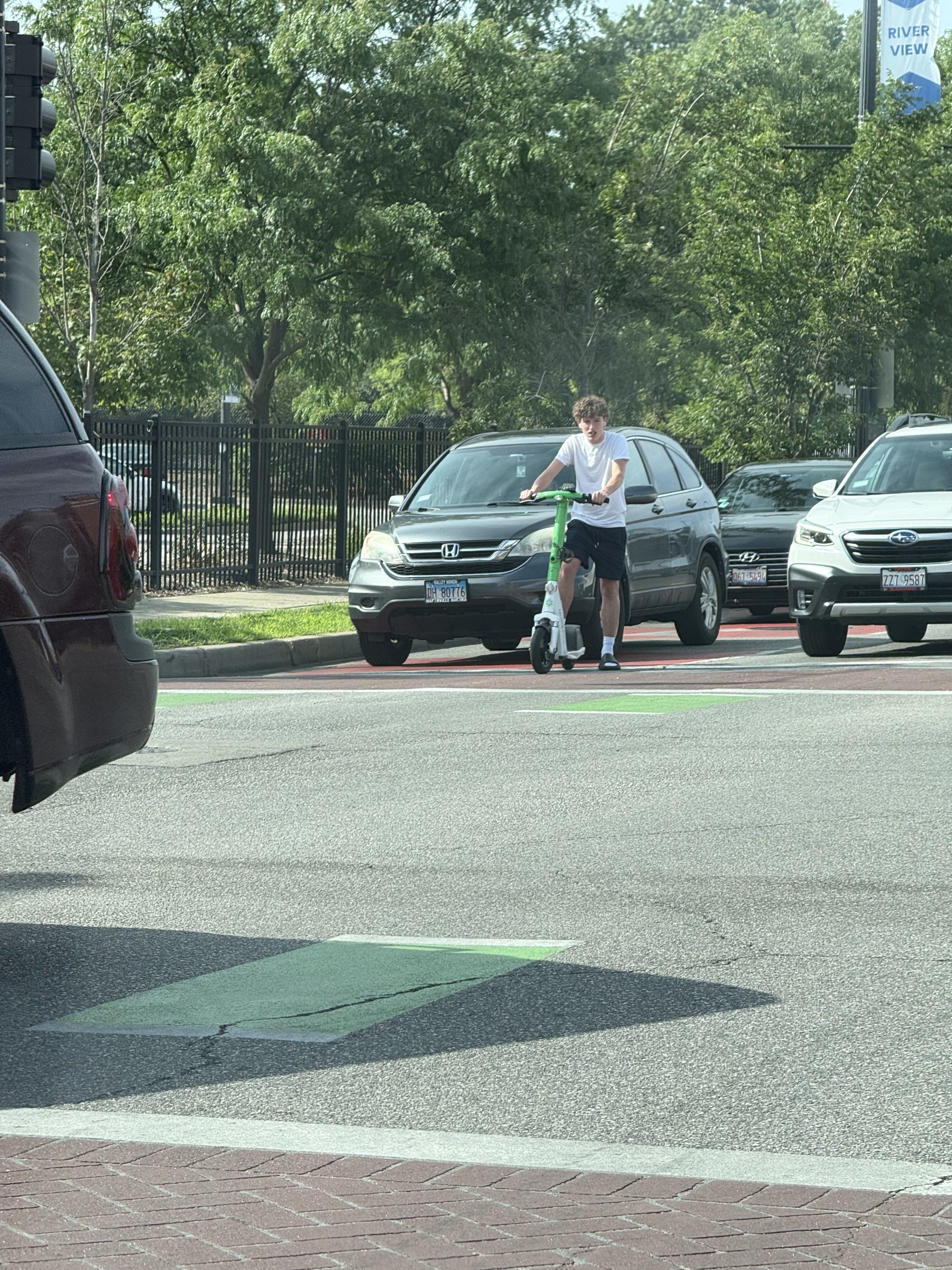
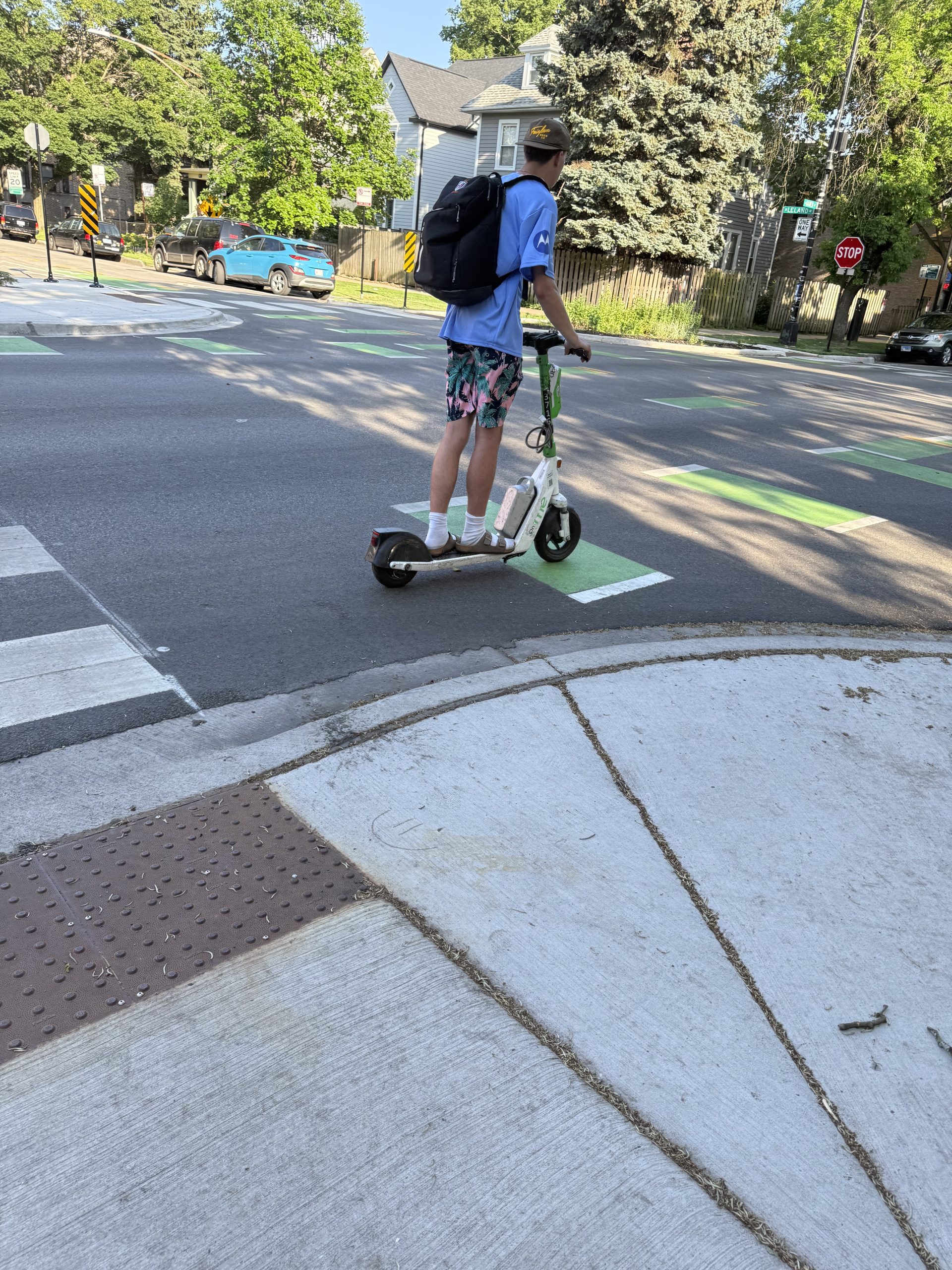
Chicago has embraced “micromobility” as part of the future of urban transportation. E-scooters and e-bikes are promoted as convenient alternatives to cars—an inexpensive way to travel short distances, connect with public transportation, and reduce automobile traffic.
That is the vision.
But after another Chicago teenager was killed while riding an e-scooter, it is time to ask whether the reality on Chicago’s streets bears much resemblance to that vision.
As recently reported by NBC Chicago, serious e-bike and e-scooter crashes involving young riders are raising new questions about whether these devices can be safely used by children and teenagers on streets designed primarily for automobiles.
The issue is not whether e-scooters can be useful transportation. They clearly can. The question is whether the City of Chicago, in its eagerness to promote micromobility, is creating a false sense that riding an e-scooter on Chicago streets is safer and simpler than it actually is.
The Fantasy: Adults Using Scooters for Short Urban Trips
The concept sounds reasonable.
An adult leaves a train station, unlocks a scooter, rides a mile or two through the neighborhood and parks it near home or work. Ideally, that trip occurs on a protected bike lane or relatively quiet street.
There is nothing inherently unreasonable about that model.
But look around Chicago—particularly near high schools when classes let out—and another reality becomes apparent.
Children and teenagers are riding e-scooters everywhere.
The problem is particularly striking with Lime scooters because Lime riders are supposed to be at least 18 years old. Chicago’s rules for scooter rental companies similarly state that licensees shall not rent scooters to anyone under 18. Yet NBC Chicago previously reported that its investigation found children and teenagers could rent Lime scooters without encountering a meaningful age-verification barrier. (NBC Chicago)
That raises an obvious question:
If Lime scooters are supposed to be restricted to adults, why are so many children riding them?
And if everyone can see teenagers riding rental scooters around Chicago, including near schools, why is the enforcement system apparently failing to keep them off devices they are not legally supposed to rent?
The Reality: Chicago Teenagers Have Become Major E-Scooter Users
NBC Chicago’s concerns are not theoretical.
In May, NBC reported that two Chicago teenagers had died in Lime e-scooter crashes within approximately five weeks. The investigation also reported that doctors and nurses in Chicago emergency rooms were seeing minors with serious scooter injuries with alarming frequency. (NBC Chicago)
The situation has since become even more disturbing.
On August 4, 2026, a Chicago teenager riding an e-scooter on Western Avenue near Lane Tech College Prep was struck by a semi-truck and later died. He became the third Chicago teenager killed in an e-scooter-related crash in 2026. (People.com)
Meanwhile, scooter use has exploded. According to reporting by the Chicago Sun-Times and WBEZ, Lime’s Chicago fleet grew from approximately 1,000 scooters in 2022 to roughly 11,000, while Lime and Divvy combined accounted for nearly seven million scooter trips last year. At the same time, Chicago Fire Department responses to e-scooter incidents increased from nearly 200 in 2022 to more than three times that number within three years. (Chicago Sun-Times)
Those numbers should force policymakers to confront an uncomfortable question:
Has Chicago concentrated on expanding micromobility faster than it has addressed the dangers created by that expansion?
A Scooter Is Not a Toy
One reason we should be particularly concerned about young riders is that an electric scooter looks deceptively harmless.
It resembles the kick scooter many children rode on the sidewalk when they were eight years old.
But an electric scooter traveling through Chicago traffic is an entirely different machine.
A rider may be traveling alongside SUVs, buses, delivery trucks and tractor-trailers. Cars may turn across bike lanes. Drivers may open doors into a rider’s path. Potholes and broken pavement that barely register inside a car can throw a scooter rider onto the street. A young person may not realize the dangers until it is too late.
And unlike the occupant of an automobile, the scooter rider has virtually nothing protecting his or her body.
No steel frame.
No seat belt.
No airbag.
No crumple zone.
A momentary mistake can therefore become catastrophic.
This is particularly troubling with middle-school and high-school riders. Most children have received no formal instruction about riding a powered vehicle in traffic. Many have limited experience judging the speed and distance of approaching automobiles. They may not appreciate blind spots on trucks, the danger of riding alongside a turning vehicle or how quickly a driver can fail to see something as small as a scooter.
To an inexperienced teenager, riding a Lime scooter home from school may feel like riding a bicycle or skateboard.
To the driver of a 4,000-pound SUV—or a 40,000-pound truck—that teenager is another vehicle sharing the roadway.
That difference in perception can have life-or-death consequences.
The Infrastructure Has Not Caught Up With the Sales Pitch
There is another problem with Chicago’s micromobility vision.
It assumes an urban environment that often does not exist.
Protected bike lanes can substantially separate vulnerable riders from automobile traffic. But Chicago’s bicycle infrastructure remains fragmented. A protected lane can suddenly become a painted lane. A bike lane can disappear at an intersection. Riders can find themselves squeezed between moving vehicles and parked cars.
Research examining shared e-scooters in multiple cities has found that crash effects are substantially worse in places with limited cycling infrastructure and much less pronounced in cities with extensive bike-lane networks. (arXiv)
That makes infrastructure more than an urban-planning issue. It is a safety issue.
It is one thing to encourage scooters in an environment designed for them.
It is something very different to put thousands of scooters onto streets originally designed for cars and trucks and then assume that painted lines, smartphone warnings and user agreements will protect riders.
Who Is Responsible for Keeping Children Off Rental Scooters?
Lime’s rules say riders must be adults. Chicago’s licensing requirements say scooters should not be rented to people under 18.
But a rule that exists only on paper is not much protection.
NBC Chicago reported earlier this year that its journalists tested Lime’s rental process and found they could unlock a scooter without proving the rider’s age. (NBC Chicago)
If that remains possible, the City and scooter operators should answer some basic questions.
Why isn’t reliable age verification required before a rental scooter can be activated?
Why are rental scooters routinely being ridden by apparently underage users?
What meaningful measures are being taken near high schools and other locations where underage scooter use is common?
What information is being collected about the ages of riders involved in crashes?
And if the system repeatedly demonstrates that children can evade an 18-and-over rule, at what point does it become inadequate simply to say that children are prohibited from riding?
Safety Cannot Be Based on Pretending Everyone Will Follow the Rules
Good safety policy is based on predictable human behavior—not ideal behavior.
We know teenagers take risks.
We know some will ride without helmets.
We know some will ride two people on a scooter.
We know riders will sometimes run red lights, travel the wrong way, use sidewalks or make sudden movements in traffic.
And now we also know that a rule saying riders must be 18 does not necessarily prevent minors from obtaining rental scooters.
The question therefore should not be whether the rules look adequate on paper.
The question is whether they are working in the real world.
Chicago Should Promote Safe Transportation, Not Simply More Transportation
None of this means Chicago must abandon micromobility.
E-bikes and scooters can provide useful transportation, particularly for short trips and connections to buses and trains.
But promoting a transportation system creates a corresponding obligation to take its foreseeable dangers seriously.
Chicago should be asking whether age-verification technology needs to be strengthened, whether speed restrictions should apply around schools, whether additional protected infrastructure is necessary on heavily traveled scooter routes, whether crash reporting requirements are adequate and whether enforcement needs to match the enormous growth in scooter availability.
Most importantly, the City should distinguish between what micromobility is supposed to look like and what is actually happening on its streets.
The fantasy is an adult commuter calmly traveling through a network of safe, protected lanes.
The reality can be a 15-, 16- or 17-year-old with no traffic training, little protection and a smartphone account that somehow allows him or her to unlock an electric scooter and enter Chicago traffic alongside cars, buses and trucks.
After three Chicago teenagers have died in e-scooter-related crashes this year, that gap between fantasy and reality deserves much more scrutiny.
Protecting Injured E-Scooter and E-Bike Riders
When an e-scooter or e-bike rider is seriously injured, determining what happened can require much more than obtaining a police report. Evidence may include nearby surveillance video, vehicle cameras, witness statements, electronic records, scooter rental information and data maintained by the micromobility company.
At Zneimer & Zneimer P.C., our Chicago personal injury lawyers represent people seriously injured in bicycle, e-bike, e-scooter, automobile and pedestrian crashes. Prompt investigation can be particularly important because video and other electronic evidence may disappear quickly.
If you or a family member has been seriously injured in a Chicago e-scooter or e-bike crash, contact Zneimer & Zneimer P.C. to discuss your legal rights.