 Chicago Accident Lawyer Blog


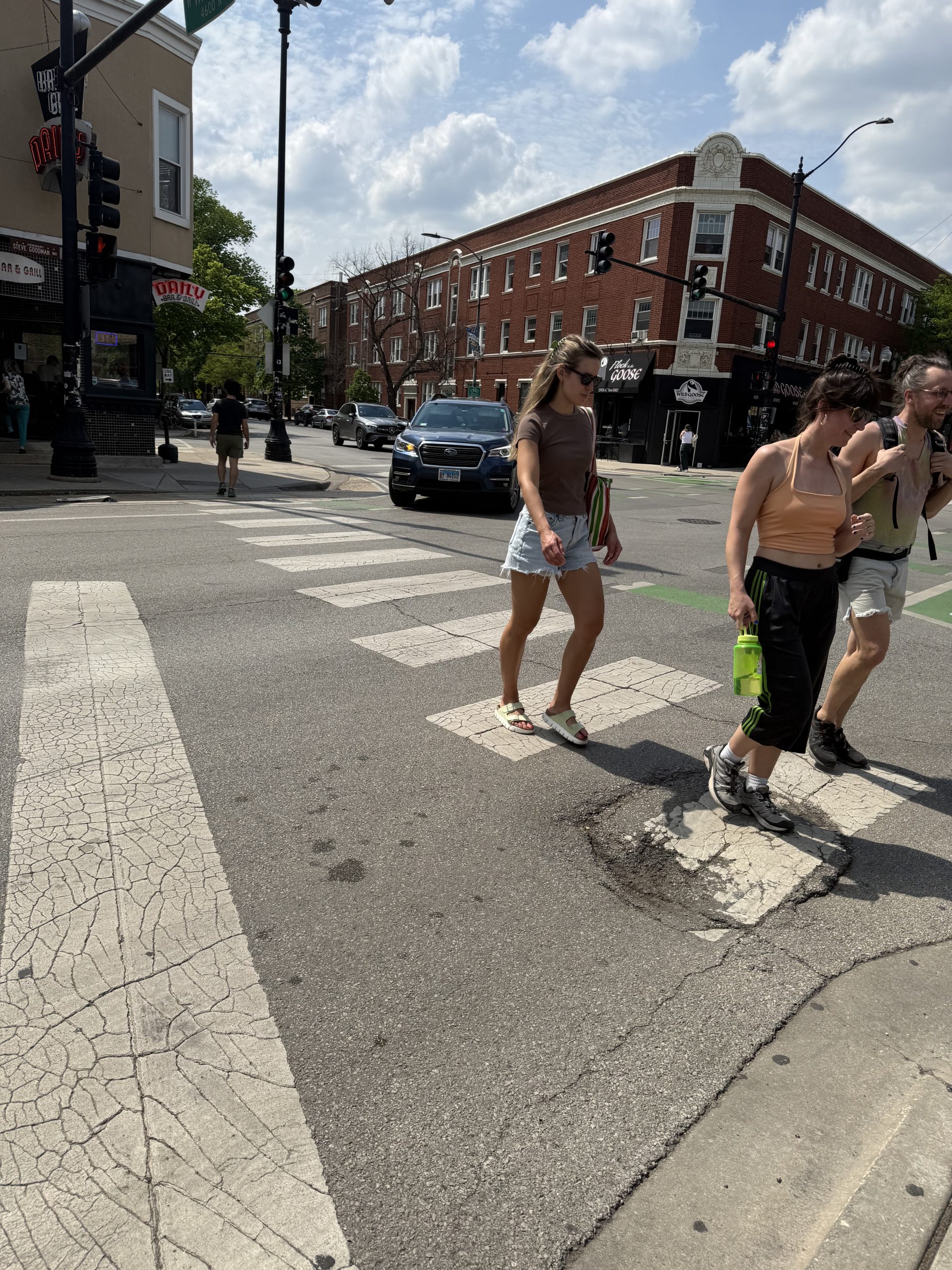
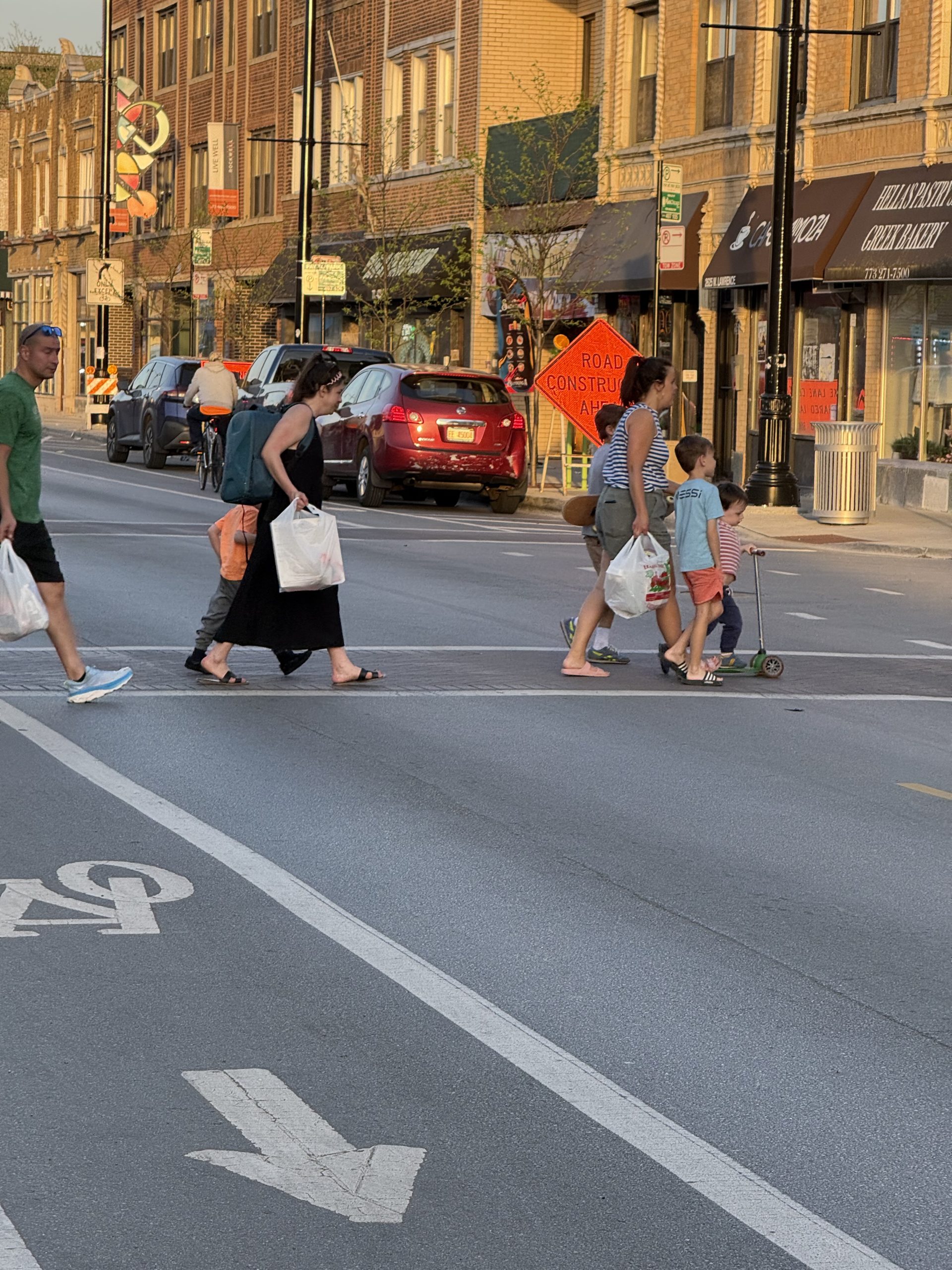
In a busy city like Chicago, pedestrians do not always cross the street at an intersection or inside a marked crosswalk. People often cross “mid-block” — meaning they cross the street somewhere between intersections. Sometimes it happens because the nearest crosswalk is far away. Other times, a person may be walking to a parked car, a bus stop, a restaurant, or simply trying to save time.
But what happens if a pedestrian is hit by a car while crossing mid-block? Does the pedestrian automatically lose the right to bring a personal injury claim?
Under Illinois law, the answer is no.
At Zneimer & Zneimer P.C., our Chicago pedestrian accident attorneys are often asked whether crossing outside of a crosswalk automatically prevents someone from recovering compensation. In many cases, the injured pedestrian may still have a valid case.
Mid-Block Crossing Is Not Automatically a Bar to Recovery
Illinois follows a system of “comparative negligence.” This means that more than one party can share fault for an accident.
Even if a pedestrian was crossing mid-block, a driver still has a duty to:
- Keep a proper lookout;
- Drive at a safe speed;
- Avoid distracted driving;
- Yield when reasonably possible;
- Exercise due care to avoid striking pedestrians.
Under Illinois law, a pedestrian may still recover damages as long as they are not more than 50% at fault for the occurrence.
In other words, crossing mid-block does not automatically mean the pedestrian caused the accident.
Illinois Law Regarding Pedestrians Crossing Outside a Crosswalk
Illinois law does address pedestrians crossing outside marked crosswalks. Under the Illinois Vehicle Code, pedestrians crossing at any point other than within a marked or unmarked crosswalk at an intersection are generally required to yield the right-of-way to vehicles.
However, that does not give drivers permission to hit pedestrians.
Drivers still owe a continuing duty to use reasonable care. A driver who is speeding, texting, intoxicated, looking at a GPS, or otherwise inattentive may still be legally responsible even if the pedestrian crossed mid-block.
Courts and juries frequently examine issues such as:
- Was the driver paying attention?
- Was visibility poor?
- Was the pedestrian visible for enough time to avoid the collision?
- Was the driver speeding?
- Did the driver make any attempt to brake or swerve?
- Was the roadway poorly lit?
- Were parked cars or obstructions involved?
These cases are highly fact-specific.
Chicago Streets Create Unique Dangers
Pedestrian accidents in Chicago often occur on wide multi-lane streets where crossing distances are long and intersections may be spaced far apart. Busy commercial corridors, bus stops, and areas with heavy parked-car traffic can create dangerous conditions for pedestrians.
In some situations, a driver may argue that the pedestrian “darted out” suddenly. But surveillance video, witness testimony, skid marks, vehicle data, and crash reconstruction can sometimes show that the driver had enough time to avoid the impact.
Nighttime conditions are also common factors in Chicago pedestrian crashes. Rain, snow, glare, poorly functioning streetlights, and dark clothing can all become issues in litigation. Nevertheless, drivers are still expected to operate their vehicles safely for existing conditions.
Chicago Municipal Code and Pedestrian Safety
The Chicago Municipal Code contains various traffic and pedestrian safety provisions that may become relevant in a pedestrian injury case. Additionally, Illinois traffic laws requiring drivers to exercise due care toward pedestrians can support a claim against a negligent driver.
Chicago also has numerous high-pedestrian areas near CTA stops, schools, restaurants, and retail corridors where drivers should reasonably anticipate foot traffic — even outside marked crosswalks.
A driver who fails to slow down or maintain a proper lookout in these areas may still be found negligent.
Insurance Companies Often Try to Blame the Pedestrian
One of the most common defenses in mid-block pedestrian accident cases is for the insurance company to argue:
- “The pedestrian should not have been crossing there.”
- “The pedestrian caused the crash.”
- “The driver had no time to react.”
Insurance companies often attempt to place all blame on the injured pedestrian to reduce or deny compensation.
That is why early investigation is critical. Important evidence may include:
- Surveillance or dashcam footage;
- Vehicle black-box data;
- Witness statements;
- Lighting conditions;
- Police reports;
- Measurements of sight distances and stopping distances.
Damages in a Chicago Pedestrian Accident Case
A pedestrian struck by a vehicle may suffer devastating injuries, including:
- Broken bones;
- Head injuries;
- Traumatic brain injuries;
- Spinal injuries;
- Internal injuries;
- Permanent disability.
Under Illinois law, injured pedestrians may be entitled to recover damages for:
- Medical expenses;
- Lost wages;
- Pain and suffering;
- Disability;
- Disfigurement;
- Loss of normal life.
Contact a Chicago Pedestrian Accident Lawyer
If you or a loved one was hit by a car while crossing mid-block in Chicago, do not assume you do not have a case. Every accident depends on the specific facts, roadway conditions, driver conduct, and available evidence.
The Chicago personal injury attorneys at Zneimer & Zneimer P.C. investigate pedestrian accident cases throughout Illinois and fight for injured victims and their families.
If you were injured in a pedestrian accident, contact our office for a free consultation to discuss your legal rights under Illinois and Chicago law.