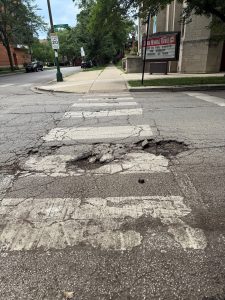
Dangerous potholes in Chicago
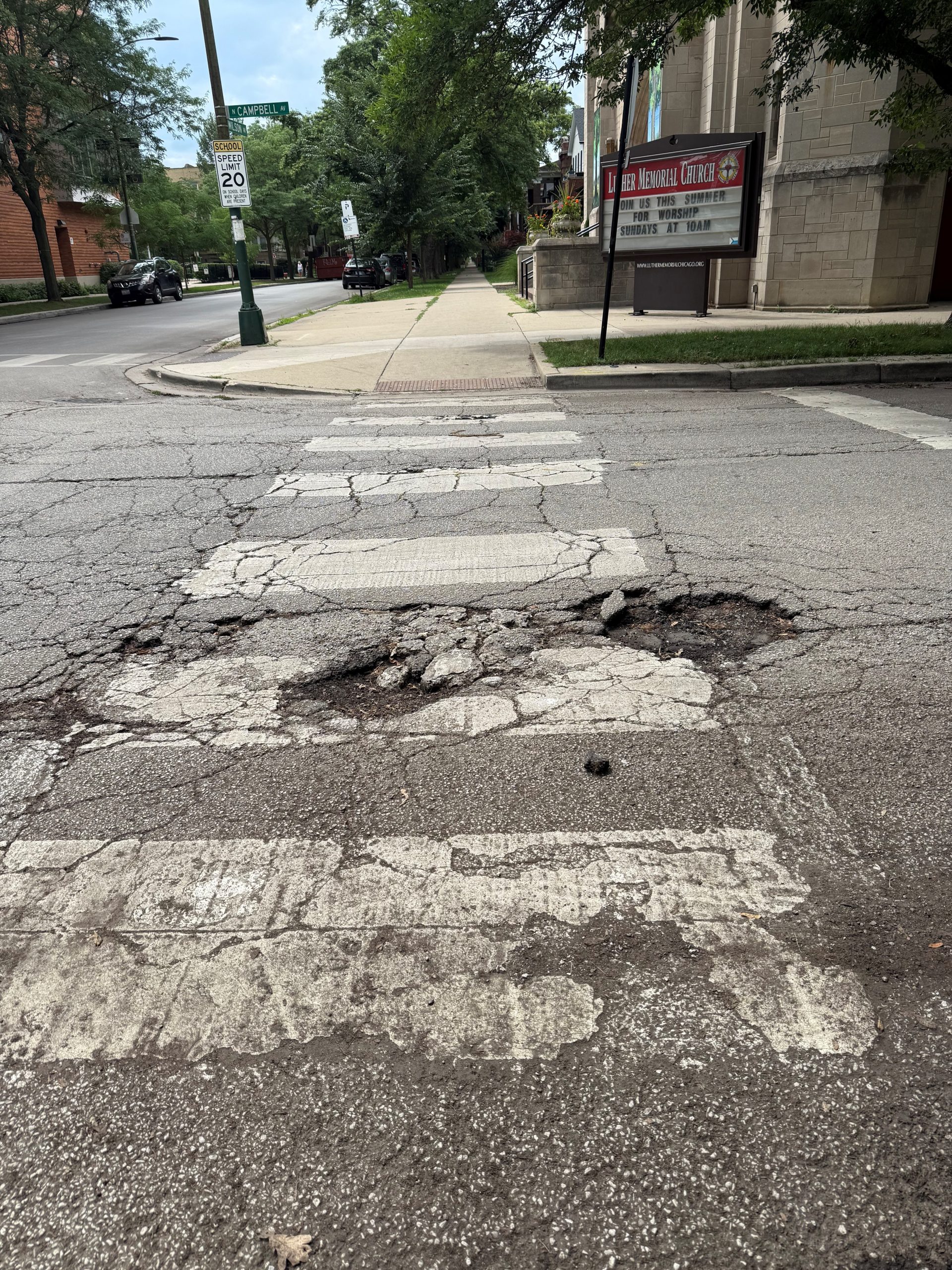
Cycling in Chicago and throughout Illinois has become more than a trend. For many, it is a lifestyle and represents a means of commuting, staying active, and enjoying the city. But it also comes with risks. With the exception of car accidents, one of the most common and often most dangerous hazards facing cyclists in this city is the pothole. These street craters can buckle rims, send riders over handlebars, and result in serious personal injuries. Understandably, when this happens, the next question is whether the City of Chicago or any other Illinois city or municipality can be held responsible.
The answer is rarely simple. The City, like most municipalities in Illinois, benefits from broad legal immunity under the Local Governmental and Governmental Employees Tort Immunity Act. This law protects cities and their employees from liability in many situations. And in practice, it means that injured bicyclists often face an uphill battle when seeking compensation for injuries caused by potholes.
The governmental immunity is not absolute. It depends on the location of the accident, the nature of the hazard, what the City knew or should have known, and whether the injured person was using the street or path in a way the law considers “intended.”
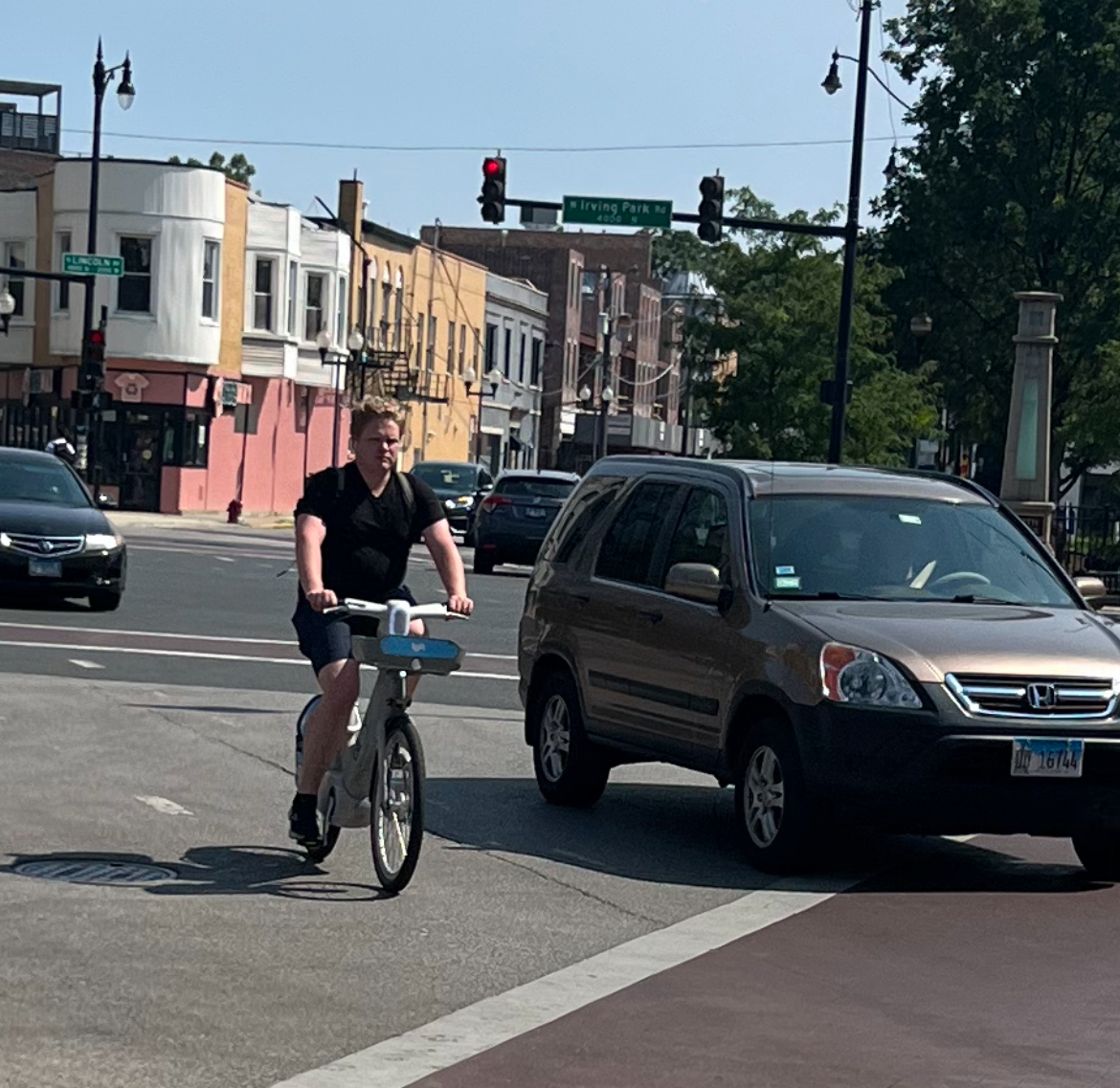
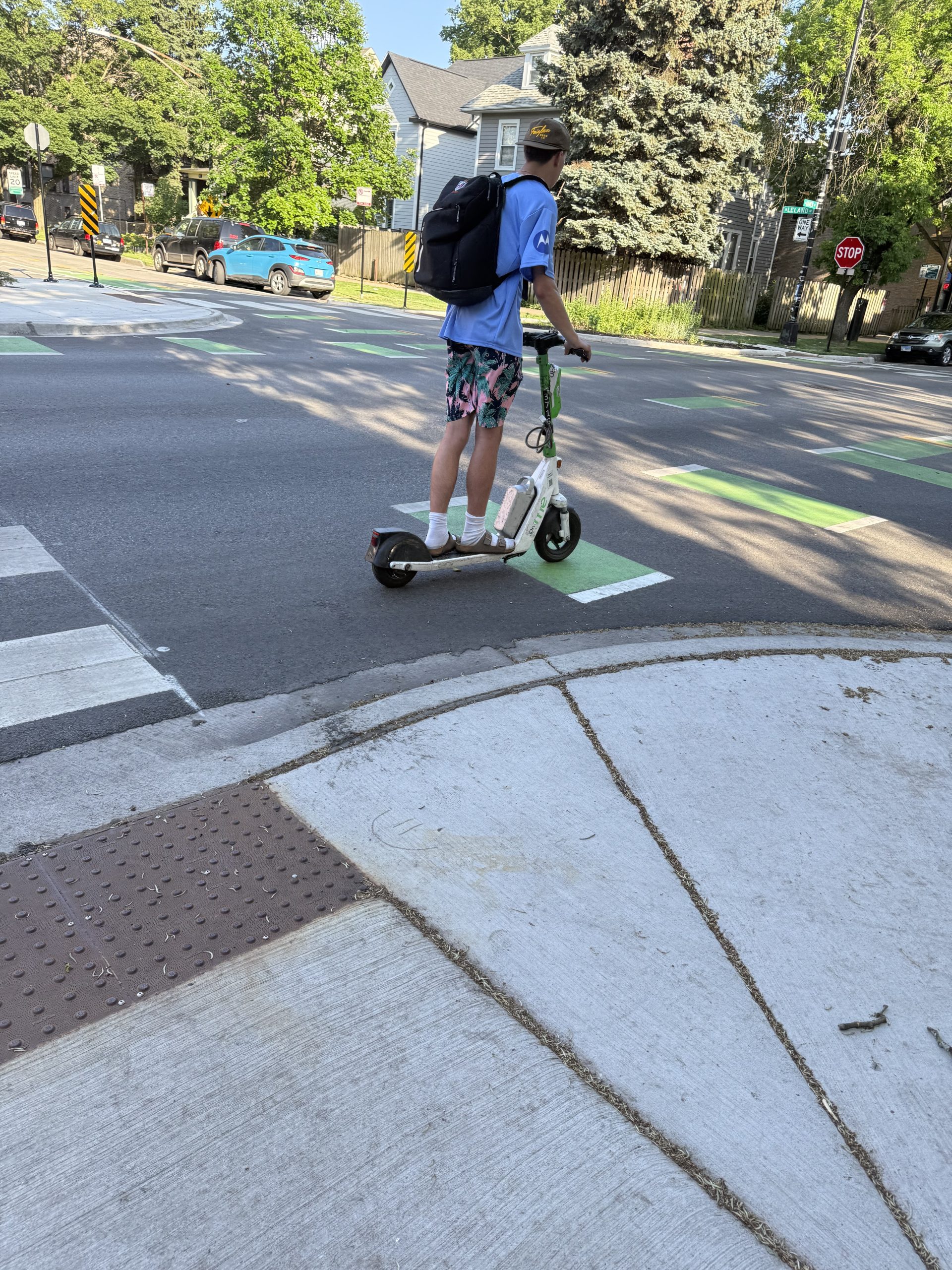
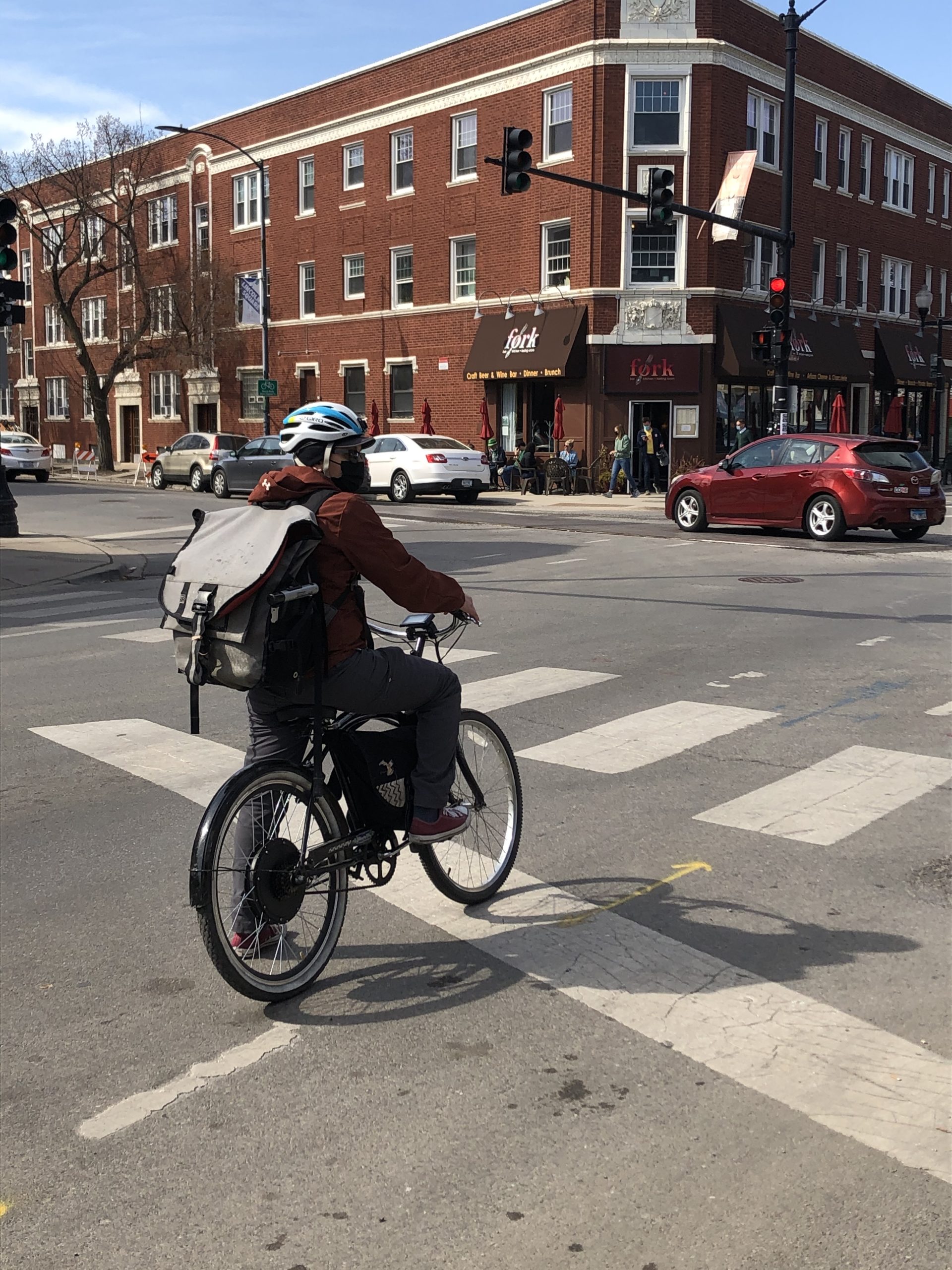
A recent case from the Illinois Supreme Court illustrates the limits of municipal liability. In Alave v. City of Chicago, the plaintiff was injured while riding his bicycle through a crosswalk. Although the area included Divvy bike stations and signage encouraging cycling, the court held that the cyclist was not an “intended user” of that crosswalk. The court emphasized that the presence of bikes nearby was not enough as the critical factor was that the crosswalk itself had not been designated for bicycle travel. The case was dismissed, reinforcing a hard truth – unless a path, lane, or street is specifically marked or designed for bicycles (in other words “intended” for bicyclists), the City may not owe a duty of care to cyclists injured there.
The decision in Alave followed the same logic as an earlier appellate decision in Berz v. City of Evanston, where the plaintiff was injured while biking through an alley. The court held that the alley was not intended for bicyclists, and therefore, the City could not be held liable for the defect that caused the injury. These cases make clear that even in bike-friendly neighborhoods, cyclists are not always protected if they are riding in areas not explicitly meant for bike use.
So what does it mean to be an “intended user”? Under Illinois law, a city has a duty to keep its property reasonably safe for those whom it intends to use it. If the city provides a designated bike lane, then a cyclist in that lane is an intended user. But if the cyclist is riding on a sidewalk, an alley, or a Continue reading