 Chicago Accident Lawyer Blog


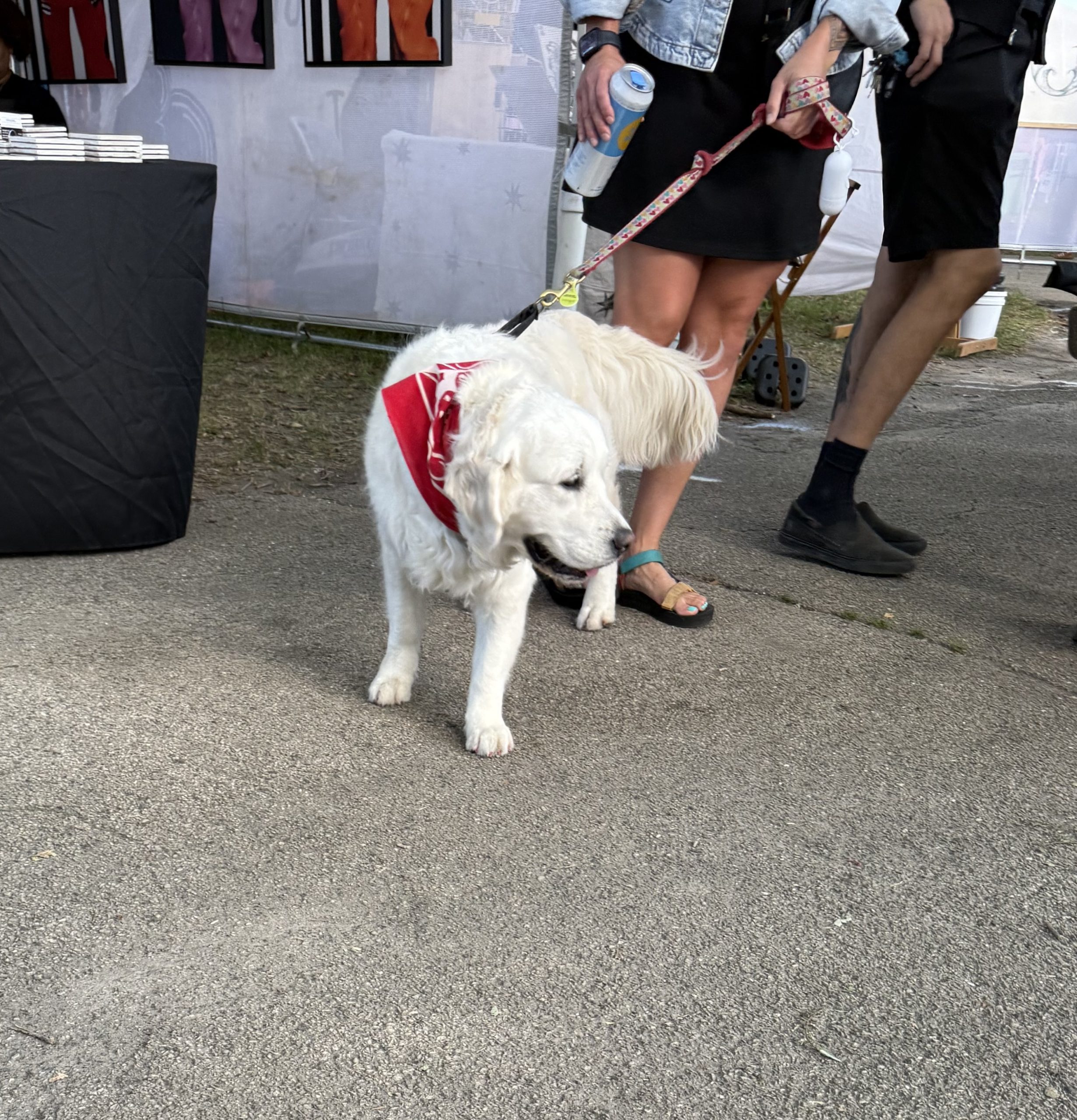

Dogs are beloved companions, and many people naturally approach friendly-looking dogs to pet them. But what happens if a dog suddenly bites you after you try to pet it? Many injured people assume they cannot recover compensation because they voluntarily approached the animal. Under Illinois law, however, that is not always true.
At Zneimer & Zneimer P.C., our Chicago dog bite injury lawyers help people understand their rights after serious dog bite injuries. Illinois law is generally favorable to dog bite victims, but there are important exceptions and defenses that may affect a case.
Illinois Dog Bite Law: The Animal Control Act
Illinois dog bite cases are primarily governed by the Illinois Animal Control Act. Unlike some states that follow a “one free bite” rule, Illinois imposes broad liability on dog owners.
Under the Animal Control Act, a dog owner may be liable if:
- The dog attacked, attempted to attack, or injured a person;
- The person was peaceably conducting themselves;
- The person was lawfully present where the incident occurred; and
- The injured person did not provoke the dog.
This is important because the victim does not have to prove the dog previously bit someone or that the owner knew the dog was dangerous.
Does Trying to Pet the Dog Automatically Mean I Lose My Case?
No. Simply attempting to pet a dog does not automatically prevent recovery.
Many dogs are socialized and accustomed to human interaction. People routinely pet dogs in parks, on sidewalks, at stores, or while visiting friends and relatives. A dog owner who brings a dog into public or social settings may still be responsible if the animal bites someone during what appears to be a normal interaction.
The key legal issue often becomes whether the injured person “provoked” the dog.
What Counts as “Provocation” Under Illinois Law?
Provocation is one of the primary defenses in Illinois dog bite cases. However, provocation is broader than intentional teasing or abuse.
Illinois courts have recognized that even unintentional acts may constitute provocation if they would reasonably cause a dog to react aggressively. Examples may include:
- Pulling a dog’s tail or ears;
- Cornering or startling the dog;
- Touching a dog while it is eating or protecting puppies;
- Rough play;
- Suddenly reaching toward the dog’s face.
However, merely petting a dog or attempting to pet it gently is not automatically provocation.
Whether conduct amounts to provocation is usually a fact-specific question. Much depends on:
- The behavior of the dog beforehand;
- Whether the dog appeared friendly;
- Whether the owner gave warnings;
- The manner in which the victim approached the animal;
- The location of the incident.
For example, if a dog owner says, “He’s friendly,” and the dog then bites someone who calmly pets it, the injured person may still have a strong claim.
The “Normal Dog” Standard in Illinois
Illinois courts sometimes discuss what is known as the “normal dog” standard when evaluating provocation and liability.
The basic idea is whether the injured person’s conduct would reasonably be expected to provoke an ordinary, well-behaved dog into biting.
If a person engages in ordinary social interaction with a dog — such as calmly extending a hand or lightly petting the animal — a jury may conclude that the conduct would not provoke a “normal dog.”
On the other hand, conduct that would predictably alarm or agitate even a typical dog may weaken the claim.
This standard often becomes highly disputed in litigation. Dog owners and insurance companies frequently argue that the victim moved too suddenly, frightened the dog, or ignored warning signs. Plaintiffs may argue the interaction was entirely normal and foreseeable.
Common Injuries in Dog Bite Cases
Dog attacks can cause devastating injuries, including:
- Deep puncture wounds;
- Facial scarring;
- Nerve damage;
- Infections;
- Torn ligaments and tendons;
- Psychological trauma, especially in children.
Even relatively small dogs can cause serious permanent injuries.
Homeowners Insurance Often Covers Dog Bite Claims
Most dog bite claims are covered through homeowners insurance policies. That means a claim is often made against an insurance company rather than directly against the dog owner personally.
Insurance companies frequently try to deny these claims by arguing provocation. They may also attempt to blame the victim for approaching the dog. An experienced personal injury attorney can investigate witness statements, medical records, photographs, and animal control reports to build the strongest possible case.
What Should I Do After a Dog Bite?
If you are bitten by a dog in Illinois:
- Seek medical treatment immediately;
- Identify the dog owner;
- Obtain vaccination information if possible;
- Photograph injuries and the scene;
- Report the incident to animal control or police;
- Avoid giving recorded statements to insurance companies before speaking with a lawyer.
Contact Zneimer & Zneimer P.C.
If you or a loved one suffered injuries in a dog bite attack in Chicago or anywhere in Illinois, you may still have a case even if you attempted to pet the dog beforehand. The facts surrounding provocation and liability are often far more complicated than insurance companies claim.
The dog bite attorneys at Zneimer & Zneimer P.C. represent injury victims throughout the Chicago area and can help evaluate your legal rights under Illinois law.