 Chicago Accident Lawyer Blog


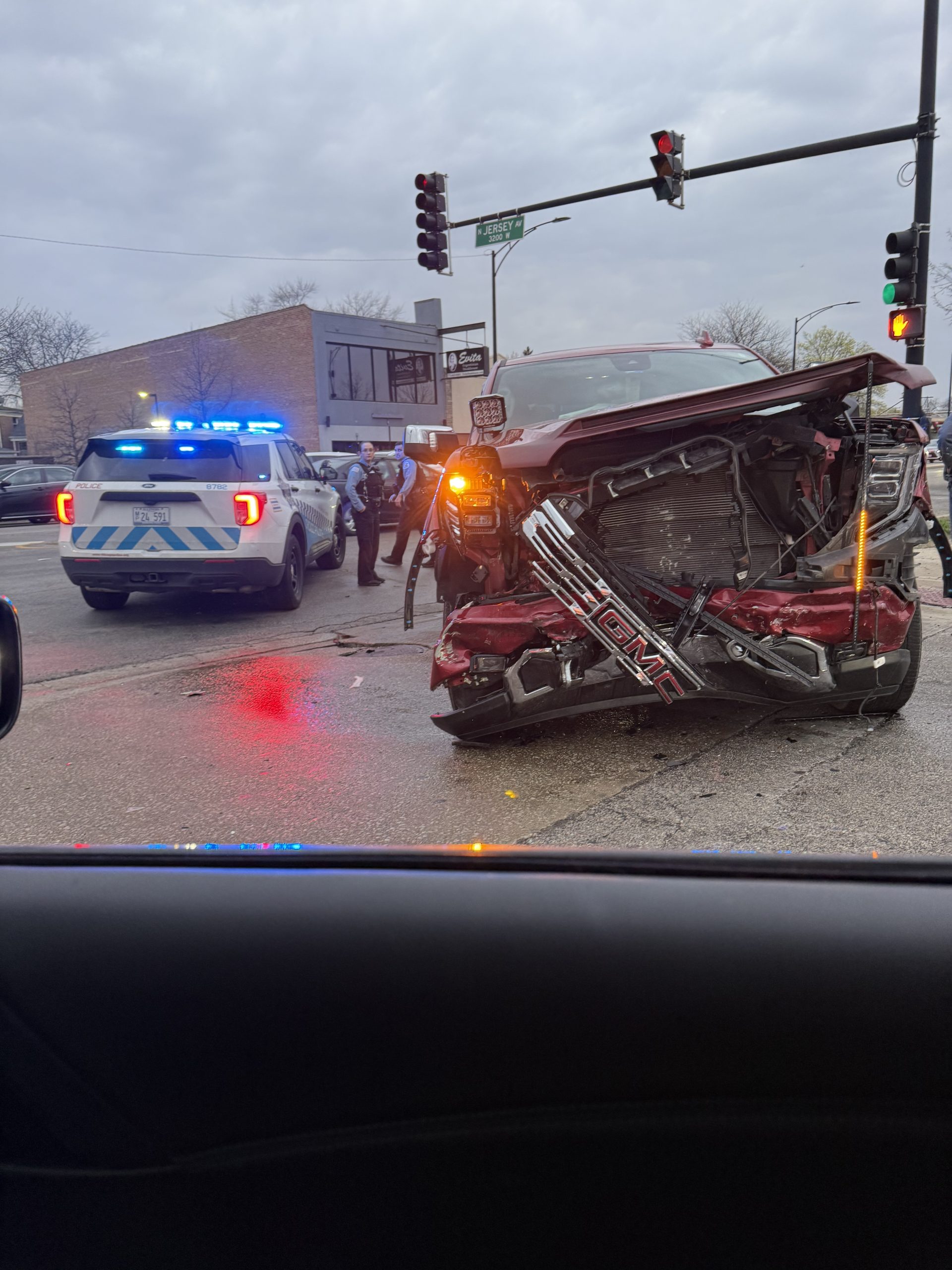
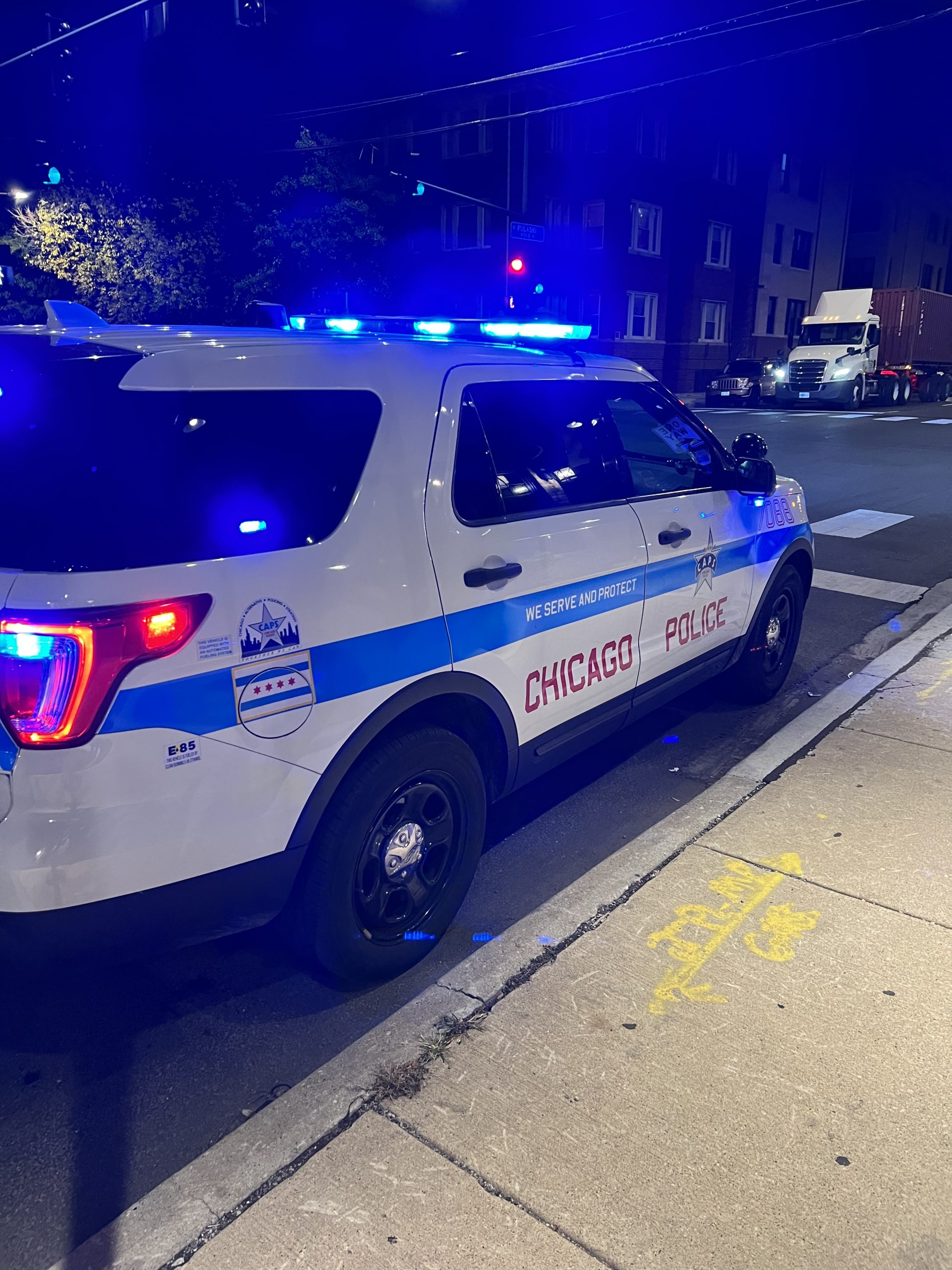
You are driving through an intersection on a green light in Chicago when you notice from your peripheral vision a cop car coming from the cross street at high speed with flashers on but no siren. You put on the brakes and you feel lucky you were able to avoided a crash. Not everyone is so lucky. With all the police activity in Chicago, crashes involving police vehicles responding to calls are not uncommon. With a dense urban environment, frequent emergency responses, and busy intersections, these collisions happen with surprising (or unsurprising) regularity, and they often result in serious injuries to innocent drivers who simply had the right of way.
The personal injury lawyers of Zneimer & Zneimer P.C., get calls from people who have been in an accident with a police car. A common question is: Can you sue the police? The answer is yes, but the law in Illinois makes these cases far more complicated than a typical car crash.
The Critical First Question: Was the Officer Responding to an Emergency?
This is the most important issue in any police crash case.
If the officer was responding to a call or otherwise enforcing the law, Illinois law gives them significant protection. In that situation, the injured person must prove “willful and wanton” conduct—a very high standard.
But if the officer was not responding to an emergency—for example, simply driving between assignments, patrolling, or returning from a call—then those special protections do not apply.
👉 In that situation, the case is treated like any other car crash:
- The officer can be held liable for ordinary negligence
- The City can be responsible just like any employer for its driver
This distinction often determines whether a case is viable or not.
The High Bar: “Willful and Wanton” Conduct
When an officer is responding to a call, Illinois law requires more than simple negligence.
You must prove that the officer acted with:
- Utter indifference to the safety of others, or
- Conscious disregard for the safety of others
That is a much tougher standard than proving someone was simply careless.
A Common Chicago Scenario
Consider a situation we see often:
A driver proceeds through an intersection on a green light. A police vehicle, responding to a call, enters against a red light—with emergency lights on but no siren—and causes a serious crash.
Is that enough to win?
Not necessarily.
Illinois law allows police officers to proceed through red lights in emergency situations. Even the absence of a siren, standing alone, does not automatically create liability.
Instead, courts look at the total circumstances, including:
- Speed
- Whether the officer slowed down
- Ability to see cross-traffic
- Traffic conditions
- Compliance with police department safety rules
Some cases go to a jury. Others are dismissed because the conduct does not meet the “willful and wanton” threshold—even if the crash seems clearly avoidable.
Why These Cases Are So Difficult
Illinois law is designed to allow police officers to respond quickly to emergencies without fear of constant lawsuits.
But that protection comes at a cost:
- Even seriously injured drivers may have no recovery
- Having the right of way is not enough
- Clear carelessness may still fall short of liability
Unless the facts show something approaching recklessness, the case can fail.
What About Your Own Insurance?
Many people assume they can fall back on their own uninsured motorist (UM) coverage.
Unfortunately, that is often not the case.
Illinois courts have held that:
- The City of Chicago is typically self-insured
- A self-insured government vehicle is not considered “uninsured”
- As a result, UM coverage usually does not apply
There is another problem as well: most policies require that you be “legally entitled to recover.” If the officer is immune because their conduct was not willful and wanton, that requirement may not be satisfied.
The Bottom Line
Police vehicle crash cases in Chicago turn on one key question:
Was the officer responding to an emergency?
- Yes → You must prove willful and wanton conduct (difficult)
- No → The case proceeds under ordinary negligence (like any other crash)
Add in the limitations on uninsured motorist coverage, and these cases become some of the most legally complex injury claims in Illinois.
Talk to an Experienced Chicago Injury Lawyer
If you’ve been injured in a crash involving a police vehicle, don’t assume you don’t have a case, or that it’s a simple one. These cases are very fact specific so that it is important to consult with a lawyer that has experience handling this type of case who can give you an accurate evaluation.
The personal injury lawyers of Zneimer & Zneimer P.C., know how to investigate these claims, obtain critical evidence, and determine whether the law allows recovery.
Contact us today for a free consultation.