 Chicago Accident Lawyer Blog


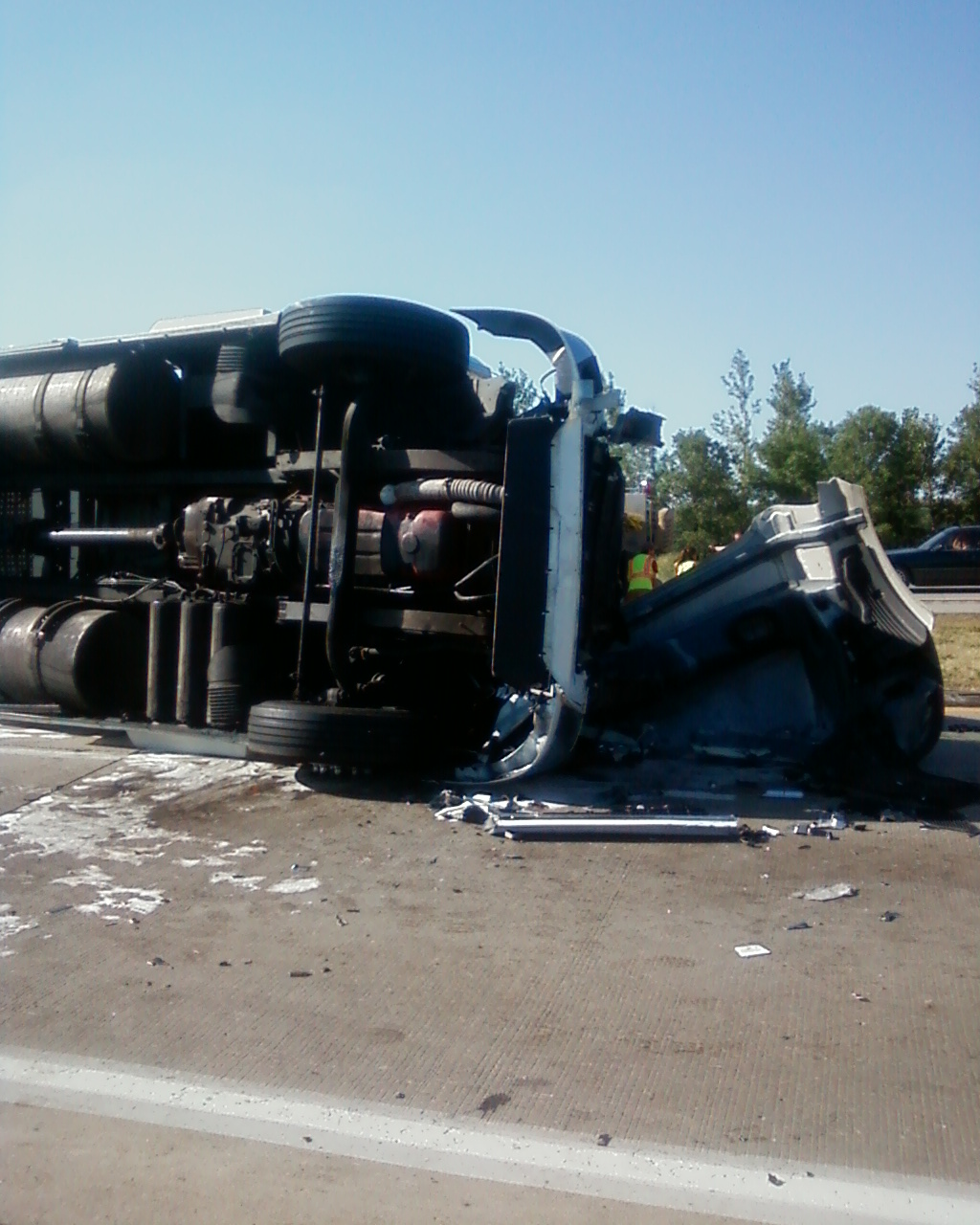 The safety of a commercial motor vehicle does not begin when the driver enters the highway. It begins in the maintenance yard, in the inspection file, in the brake shop, in the driver vehicle inspection report, and in the motor carrier’s decision to either correct or ignore known defects. Federal trucking law recognizes this reality. The Federal Motor Carrier Safety Regulations impose an affirmative system of inspection, repair, maintenance, documentation, and correction because unsafe equipment can transform an ordinary trip into a catastrophic event.
Part 396 of Title 49 of the Code of Federal Regulations governs inspection, repair, and maintenance. Its scope reaches motor carriers, officers, drivers, agents, representatives, and employees directly concerned with the inspection or maintenance of commercial motor vehicles. It also reaches intermodal equipment providers and their relevant personnel. The regulation, therefore, frames maintenance as an institutional obligation, not merely a driver’s personal responsibility.
At Zneimer & Zneimer P.C., our Chicago trucking attorneys examine equipment safety as a central issue in serious trucking cases. A crash may appear, at first, to involve driver error. But the deeper question often asks whether the truck should have operated at all.
Federal Law Requires Systematic Maintenance
Section 396.3 creates the foundation. Every motor carrier and intermodal equipment provider must systematically inspect, repair, and maintain, or cause the systematic inspection, repair, and maintenance of, all motor vehicles and intermodal equipment subject to its control. The regulation also requires parts and accessories to remain in safe and proper operating condition at all times.
The word “systematically” matters. Federal law does not allow a carrier to treat maintenance as an occasional reaction to breakdowns. A lawful maintenance program must identify vehicles, track inspection and maintenance operations, record repairs, and retain records. For vehicles controlled for 30 consecutive days, motor carriers must maintain records identifying the vehicle and recording inspection, repair, and maintenance activity. Those records must remain where the vehicle stays or receives maintenance for one year and for six months after the vehicle leaves the carrier’s control.
This recordkeeping duty gives litigation significance to silence. When a carrier cannot produce maintenance files, inspection histories, repair records, brake records, tire records, or periodic inspection documents, the absence itself may become probative. A company that claims it maintained a safe truck should have the records that federal law requires.
Unsafe Operation Is Forbidden
Section 396.7 states the rule in direct terms: a motor vehicle shall not operate in a condition likely to cause an accident or a breakdown. This provision supplies one of the most important concepts in trucking injury litigation. The question does not require proof that a defect already caused a crash before the trip began. The regulation prohibits operation when the condition makes an accident or breakdown likely.
Federal law permits a narrow exception. If a vehicle becomes unsafe while operating on the highway, the vehicle may continue only to the nearest place where repairs can safely occur, and only if continued operation creates less danger to the public than leaving the vehicle on the highway. That exception does not excuse routine operation with known defects. It addresses the limited practical problem of moving an unsafe vehicle out of harm’s way.
In litigation, this distinction can matter. A carrier may argue that a vehicle needed to proceed because it was already on the road. But Section 396.7 asks whether continued operation served public safety or merely served delivery, revenue, or convenience.
Driver Reports Do Not Eliminate Carrier Responsibility
Part 396 requires driver vehicle inspection reports in defined circumstances. Under Section 396.11, a motor carrier must require its drivers to report, and drivers must prepare written reports at the completion of each day’s work for each vehicle operated, except for certain intermodal equipment. The report covers critical safety components, including service brakes, parking brakes, steering, lighting, tires, windshield wipers, mirrors, coupling devices, wheels, rims, and emergency equipment.
The report must list defects or deficiencies discovered by or reported to the driver that would affect safe operation or result in mechanical breakdown. If no defect or deficiency exists, the driver need not prepare a no defect report under the current rule.
Most importantly, when a report lists a safety-related defect, the motor carrier or its agent must repair the defect before requiring or permitting the driver to operate the vehicle again. The carrier or agent must also certify that the defect has been repaired or that repair is unnecessary before the vehicle operates again.
This rule creates a chain of responsibility. The driver reports. The carrier reviews. The carrier repairs. The carrier certifies. If the same defect appears repeatedly, or if the vehicle continues operating after a reported safety defect, the case no longer concerns a hidden mechanical problem. It concerns notice.
The Driver’s Pre Trip Duty Fits Within a Larger Safety System
Section 396.13 requires the driver, before driving, to satisfy himself or herself that the motor vehicle operates safely, review the last driver vehicle inspection report when required, and sign the report to acknowledge review and certification that required repairs occurred.
Carriers sometimes try to use the driver’s pre-trip duty as a shield. They suggest that any defect must fall on the driver because the driver inspected the vehicle before departure. That argument oversimplifies Part 396. The driver’s duty does not erase the carrier’s duty to maintain, repair, document, and certify. The regulations create overlapping safety obligations because commercial trucks can injure the public when any link in the safety chain fails.
A driver may see an obvious flat tire, broken light, or disconnected air line. But many maintenance defects require shop knowledge, measurement, records, and trained inspection. Brake stroke, worn linings, loose components, cracked drums, tire load limits, suspension problems, steering free play, and defective coupling devices may require more than a quick visual walkaround. Part 396 recognizes that the carrier must maintain the system that prevents such defects from reaching the roadway.
Roadside Inspections and Out of Service Orders Matter
Section 396.9 authorizes FMCSA special agents to inspect motor vehicles and intermodal equipment in operation. If authorized personnel determine that a vehicle’s mechanical condition or loading would likely cause an accident or breakdown, they must declare and mark it out of service.
Once a vehicle receives an out-of-service designation, no motor carrier or intermodal equipment provider may require or permit anyone to operate it, and no person may operate it, until the required repairs have been satisfactorily completed. The rule also prohibits removal of the out of service sticker before completion of repairs.
The post-inspection duties also matter. The driver must deliver the inspection report to the motor carrier and, when applicable, to the intermodal equipment provider. The carrier or provider must examine the report, correct violations or defects, certify correction within 15 days, return the completed form to the issuing agency, and retain a copy for 12 months.
In litigation, these records can reveal whether a carrier treated inspections as warnings or paperwork. A prior roadside inspection may show recurring brake violations, tire defects, lighting problems, coupling hazards, or maintenance patterns that existed before the crash.
Annual Inspection Provides a Minimum, Not a Complete Defense
Section 396.17 requires every commercial motor vehicle to undergo periodic inspection. The inspection must include, at minimum, the parts and accessories listed in Appendix A to Part 396. A motor carrier may not use a commercial motor vehicle unless each Appendix A component has passed inspection at least once during the preceding 12 months and documentation of that inspection appears on the vehicle.
This rule provides a floor, not a ceiling. A carrier cannot defend unsafe equipment merely by showing that a truck passed an annual inspection months earlier. Section 396.3 separately requires safe and proper operating condition at all times, and Section 396.7 forbids operating a vehicle likely to cause an accident or breakdown.
A truck may pass annual inspection in January and become unsafe in March. Brakes wear. Tires degrade. Coupling devices loosen. Suspension components crack. Frames deteriorate. Lights fail. The carrier’s duty continues throughout the year.
Minimum Periodic Inspection Standards Show the Gravity of Equipment Defects
Appendix A to Part 396 states that a vehicle does not pass inspection if it has specified defects or deficiencies. These include brake system defects, defective coupling devices, exhaust hazards, fuel leaks, inoperable lighting, unsafe loading conditions, steering defects, suspension defects, frame defects, tire violations, wheel and rim defects, windshield defects, defective windshield wipers, insecure motorcoach seats, and rear impact guard defects.
The Appendix gives concrete meaning to the phrase unsafe equipment. A missing brake, audible air leak, cracked brake drum, defective brake hose, loose fifth wheel component, exposed tire ply, cracked frame member, missing rear impact guard, or inoperative wiper does not represent a minor technicality. Federal law identifies these conditions as inspection failures because they threaten safe operation.
Litigation Should Reconstruct the Maintenance System
A serious trucking case involving unsafe equipment should examine more than the crash scene. Lawyers should obtain and analyze the vehicle’s maintenance history, annual inspection report, driver vehicle inspection reports, roadside inspection reports, repair invoices, brake records, tire records, work orders, mechanic notes, dispatch communications, out of service records, and records showing who certified repairs.
Conclusion
Unsafe equipment cases require disciplined legal analysis. Federal regulations do not treat maintenance as an internal business preference. They impose specific duties because commercial vehicles create public risk when carriers neglect brakes, tires, steering, coupling devices, frames, lighting, and other safety systems.
Zneimer & Zneimer P.C. litigates trucking cases in Chicago and throughout Illinois. Our firm examines the facts, studies the regulations, and pursues accountability when unsafe equipment contributes to serious injury.
If a truck crash involved brake failure, tire failure, steering problems, coupling failure, defective lights, missing inspection records, or prior out-of-service violations, the maintenance history may become central to the case.
This article provides general information and does not create an attorney client relationship. Each case depends on its facts, the applicable law, and the available evidence.