 Chicago Accident Lawyer Blog


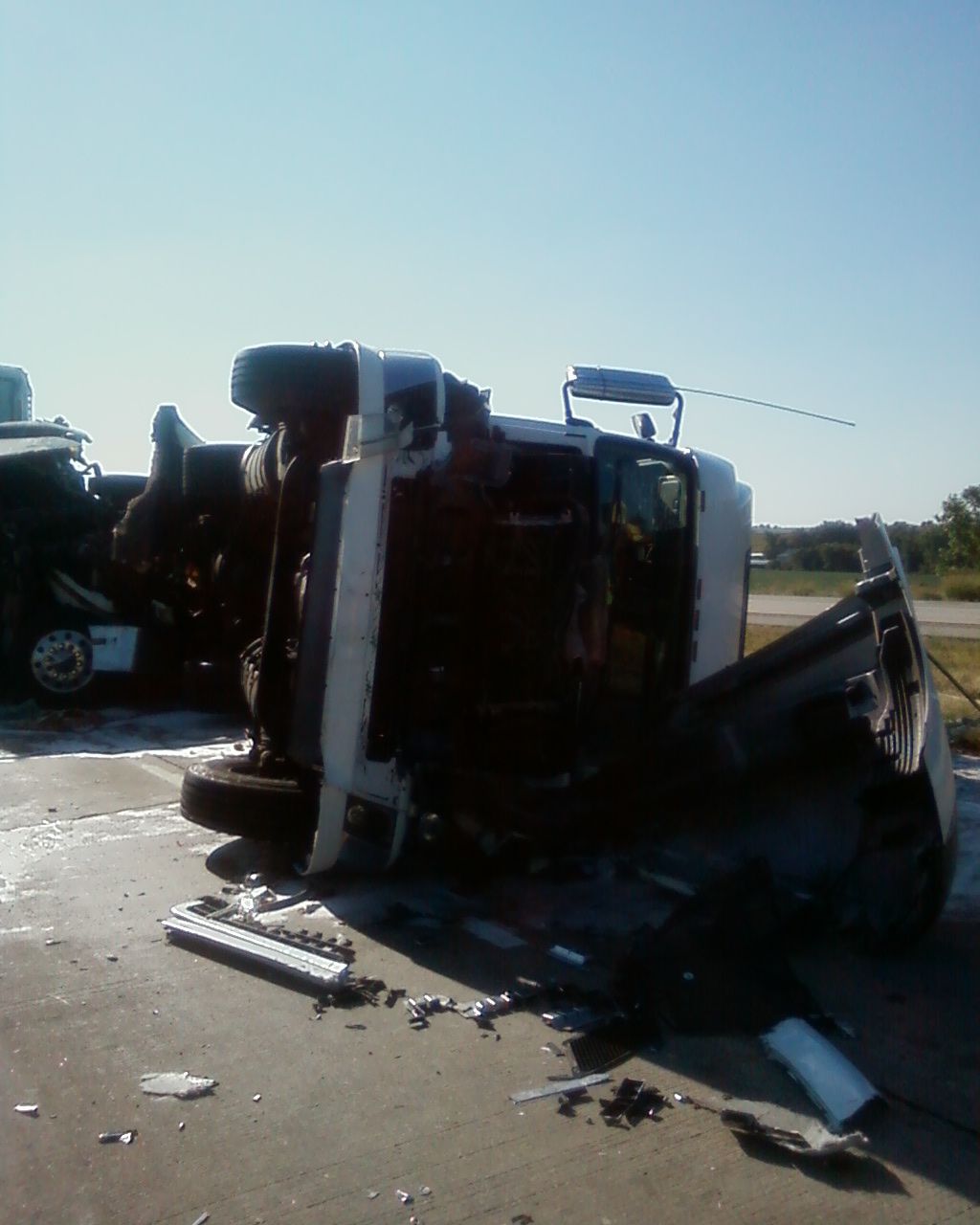 The modern trucking industry relies heavily on labor arrangements that often blur the line between employment and independent contracting. In many cases, trucking companies characterize drivers as independent contractors while retaining substantial control over the manner, timing, and economic terms of the work. This tension between contractual form and workplace reality carries serious consequences, particularly when a driver suffers a disabling injury.
The issue does not concern terminology alone. Worker classification determines access to fundamental protections, including workers’ compensation, wage replacement, unemployment insurance, employer-funded benefits, and other statutory remedies. When a company classifies a driver as an independent contractor, it may attempt to avoid obligations that the law imposes on employers. The injured driver then bears risks that the employment law system ordinarily allocates to the enterprise that controls and profits from the work.
At Zneimer & Zneimer P.C., our Chicago trucking attorneys litigate serious trucking cases and understand how classification disputes can affect injured drivers and their families. These cases require careful factual analysis, close attention to the governing legal standards, and a willingness to look beyond the words of a contract.
The Legal Significance of Control
A written independent contractor agreement does not conclusively determine a driver’s status. Courts and agencies generally examine the substance of the relationship. The relevant inquiry often focuses on control, economic dependence, integration into the business, investment, opportunity for profit or loss, permanence of the relationship, and the degree to which the worker operates an independent enterprise.
In trucking, these factors frequently require a detailed examination of the actual working arrangement. A driver may operate under a carrier’s authority, follow dispatch instructions, comply with company delivery requirements, communicate through company systems, and accept rates or routes with little meaningful bargaining power. The company may control safety procedures, scheduling expectations, customer relationships, and operational standards. When those facts exist, the independent contractor label may obscure rather than describe the true relationship.
This distinction matters because trucking companies do not merely purchase isolated services in many of these arrangements. They rely on drivers to perform the central function of the business: moving freight. When a worker performs work integral to the company’s business under substantial company control, the law may treat the relationship as employment despite contractual language to the contrary.
Misclassification and the Loss of Workers’ Compensation Protection
The most immediate consequence of misclassification appears after injury. Employees who suffer work-related injuries generally receive workers’ compensation benefits, including medical care and wage replacement, without proving fault. Independent contractors generally do not receive those same statutory protections.
For an injured truck driver, that distinction can determine financial survival. Trucking involves long hours, fatigue, heavy equipment, loading and unloading hazards, adverse weather, dangerous road conditions, and high-energy collisions. Serious injuries may include spinal trauma, traumatic brain injury, orthopedic injury, crush injury, nerve damage, or cumulative trauma from years of physically demanding work.
When workers’ compensation applies, the injured worker has a structured remedy. When the company denies employee status, the driver may have no guaranteed medical coverage and no reliable wage replacement. The driver may need to challenge the classification while injured, unemployed, and facing immediate financial pressure.
That dynamic favors the company unless the driver obtains legal representation and investigates the actual relationship.
Occupational Accident Policies Do Not Replace Workers’ Compensation
Many motor carriers promote occupational accident insurance as an alternative to workers’ compensation. This comparison can mislead drivers. Occupational accident policies arise from private insurance contracts. Workers’ compensation arises from statute.
The distinction has practical importance. Occupational accident policies often impose benefit caps, narrow time limits, exclusions, discretionary claim determinations, and limited wage loss protection. Some policies terminate benefits after a defined period, even if the driver remains disabled. Others exclude certain injuries, limit medical payments, or require strict compliance with reporting procedures.
These policies may provide some short-term assistance, but they do not offer the same protection as workers’ compensation. They also do not resolve the underlying classification question. If the facts show an employment relationship, the existence of an occupational accident policy should not automatically defeat the driver’s claim to statutory benefits.
Immigrant Drivers and the Compounded Risk of Exclusion
The consequences become even more severe for recent immigrant drivers, even if they have naturalized as U.S. citizens. Many immigrants enter trucking because it offers immediate income, accessible work opportunities, and a path toward economic stability. They may accept demanding routes, unfavorable lease terms, or limited bargaining power because they need steady work.
When injury occurs, these drivers may face a double exclusion. First, the trucking company may deny workers’ compensation by invoking independent contractor status. Second, the driver may lack access to long-term disability protection through Social Security Disability Insurance because of insufficient work credits, immigration status issues, or other eligibility barriers.
This creates a devastating gap. The driver has contributed labor to a central sector of the economy, but after a catastrophic injury, the driver may lack workers’ compensation, employer benefits, private disability coverage, and federal disability support. Medical bills accumulate. Income stops. Temporary insurance expires. The driver and the driver’s family then face economic collapse.
The law should not permit a system in which essential labor becomes invisible the moment the worker suffers injury.
The Enterprise Benefit and the Externalization of Risk
Misclassification creates a structural advantage for companies. By treating drivers as independent contractors, carriers may reduce labor costs, avoid payroll-related obligations, shift insurance burdens, and limit responsibility for workplace injuries. The company keeps the benefit of the labor while transferring the cost of injury to the worker.
This structure externalizes risk. The driver bears the physical danger of the work. The driver bears the loss of income after injury. The driver bears the cost of medical treatment. The driver bears the burden of proving that the company’s classification does not reflect reality.
From a legal and policy perspective, this arrangement undermines the purpose of workplace protection statutes. Workers’ compensation laws exist because industrial injuries form part of the cost of doing business. When companies avoid that cost through formal labels, they weaken the statutory bargain and place the heaviest burden on the person least able to carry it.
The Need for Careful Litigation
Classification disputes in trucking require evidence. Lawyers must examine contracts, lease agreements, dispatch records, payment records, insurance documents, safety manuals, driver communications, maintenance arrangements, customer relationships, and the company’s actual control over the work.
Important questions include:
- Did the company control dispatch, routes, schedules, or delivery requirements?
- Did the driver had their own company?
- Could the driver reject loads without penalty?
- Did the driver negotiate rates in any meaningful way?
- Did the company provide, lease, control, or require specific equipment?
- Did the driver work primarily or exclusively for one carrier?
- Did the company impose safety, reporting, or communication rules?
- Did the driver operate an independent business with real entrepreneurial opportunity?
- Did the company integrate the driver into its ordinary business operations?
- Did the company maintain workers’ compensation coverage?
- Did the company substitute an occupational accident policy for statutory protection?
These facts matter more than the title placed on the relationship. A driver’s legal status should depend on the economic and operational reality of the work.
A Fairer Approach to Injured Truck Drivers
The trucking industry performs an essential economic function. That importance does not justify a labor structure that abandons injured drivers. When a company controls the work, profits from the work, and depends on the work as part of its regular business, the law should scrutinize attempts to shift all injury related risk onto the driver.
Reform requires serious enforcement. Regulators should apply classification standards consistently. Legislatures should address the use of occupational accident policies as inadequate substitutes for workers’ compensation. Courts should continue to examine the substance of trucking relationships rather than defer to contractual labels. Insurers, carriers, and employers should not treat injured drivers as disposable business costs.
Zneimer & Zneimer P.C. Represents Injured Drivers and Trucking Injury Victims
Zneimer & Zneimer P.C. represents injured people in serious trucking cases in Chicago and throughout Illinois. Our firm works hard, investigates thoroughly, and litigates trucking cases with the attention they require.
If you suffered a serious trucking injury speak with an attorney before accepting the company’s explanation.
Contact Zneimer & Zneimer P.C., Chicago trucking attorneys, to discuss your rights after a serious trucking injury.
This article provides general information and does not create an attorney client relationship. Each case depends on its specific facts and applicable law.