Chicago Accident Lawyer Blog


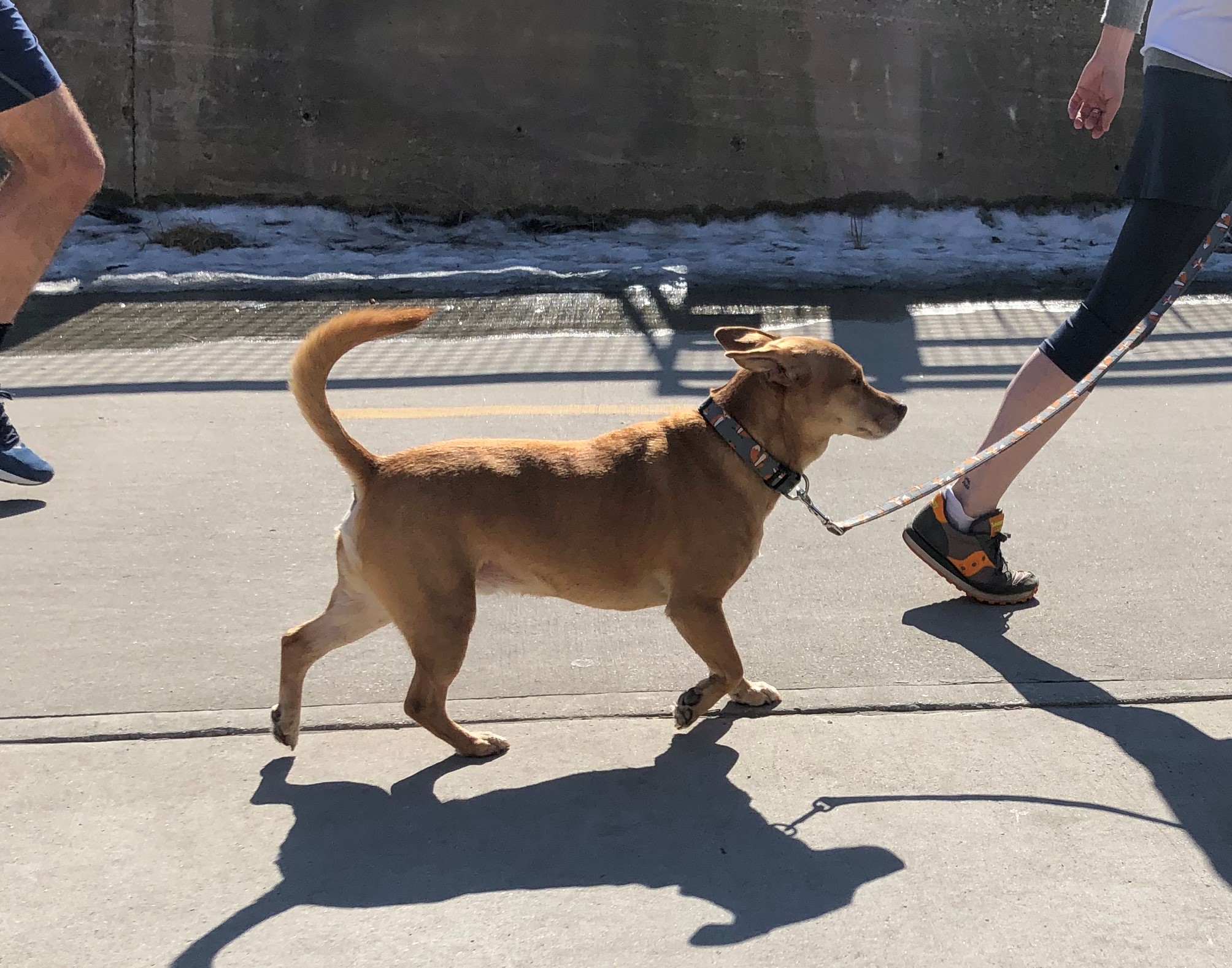
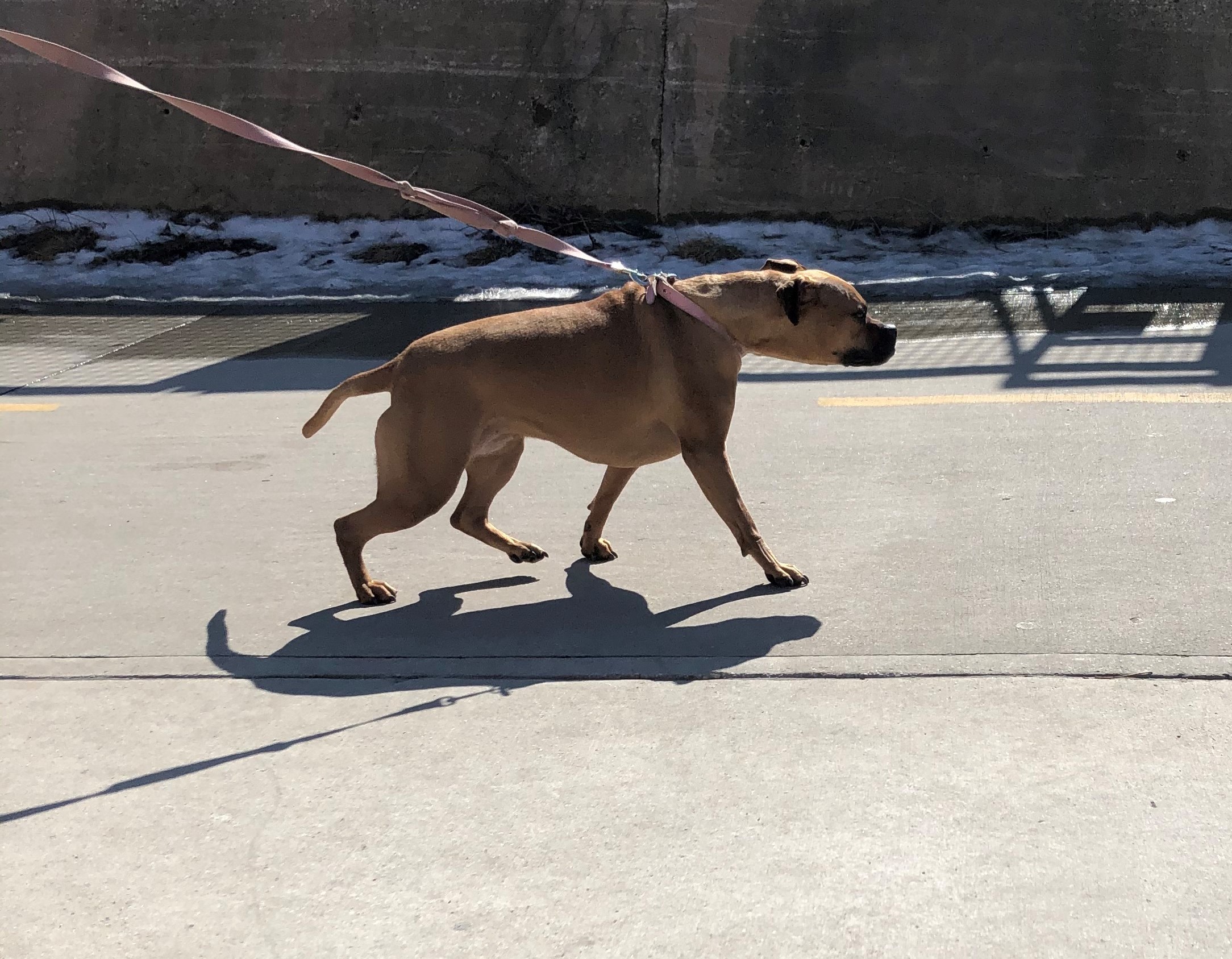
Quarantine during the pandemic saw pet adoptions and fosters skyrocket by about 43% and adoption inquiries jump by 116 percent in the second half of March. Perhaps, in an effort to fill the long hours of isolation and ward off depression (which also saw a historic rise during the pandemic), many chose our beloved canine friends as company and balm to the blues. Dogs found homes; owners found another source of comfort. It has the makings of a happy story.
It did not come as a surprise however, for dog bite attorneys at Zneimer & Zneimer, P.C., that there was a rise in dog bite incidents relative to the pandemic. Dogs misbehave or get aggressive due to many reasons such poor socialization, lack of exercise or training or any other stress-related factors. Dogs normally exhibit aggression in many forms like excessive barking, jumping, destructive behavior (inappropriate chewing etc.) nipping and biting. As more people stayed at home and dogs are walked more daily, pet owners or walkers exacerbated the problem by irresponsibly walking dogs without a leash and creating a dangerous situation for the walker and passers-by. Another reason dogs were stressed during the pandemic and therefore were more prone to exhibit aggressive behavior was the increased human to dog interactions. New dog owners, especially ones, with little children need to educate themselves on training and other positive reinforcements while teaching children boundaries so as to give the dog space.
Depending on the severity of the dog bite, the medical bills would still be a burden to the victim. Along with permanent scarring, and the indelible trauma– the risk that the dog was not properly inoculated and might have rabies is also a huge concern. Personal injury attorney Peter Zneimer has witnessed the lasting damages one dog bite can cause to an individual and the weight of responsibility will be on the owners themselves to take care of the dog as the dog takes care of them to prevent injuries. If you have been bitten by a dog call the dog bite lawyers of Zneimer & Zneimer P.C. for a free consultation to ensure your rights are protected.